Ready for IMPACT Battery Blog
-
- May 18, 2026
Imagine you reach your campsite after a long drive and start to settle in for the night. Then the lights get weak, and the fridge controls shut off because the RV battery is dead.
That kind of problem often starts with the wrong battery setup. A 12V AGM deep-cycle battery works well for many weekend campers in the USA. Two 6V deep-cycle batteries are suitable for longer trips. Lithium RV batteries are the better pick for boondocking, solar setups, and people who camp often.
This RV battery guide breaks it all down so you can buy with confidence. You'll learn the types, the sizes, and the best picks for your next trip.
What Is an RV Battery?
An RV house battery is a deep-cycle battery that delivers steady power over many hours. Most RV house banks run at 12V and use either a single large battery or multiple batteries wired together. Whether you're outfitting your first rig or upgrading an old setup, browsing reliable RV batteries is the best way to start.
A car battery sends one big burst
-
- May 16, 2026
A marine battery sits quietly in your boat, but it controls everything from ignition to navigation power. When it starts underperforming, the whole trip can feel uncertain. A weak start or sudden click is often the first warning sign.
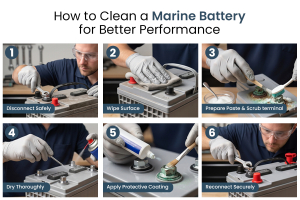
That’s when many boat owners look up how to clean a marine battery for better performance. Hoping to fix what seems like a failing unit.
In reality, the problem is often corrosion and dirt building up on the terminals, blocking proper current flow. Begin by disconnecting the cables, always removing the negative terminal first. Clean the terminals with a baking soda and water solution to neutralize buildup.
Use a wire brush to scrub until the metal is clear, then rinse with distilled water and dry completely. Finish with a protective spray. This simple maintenance improves reliability and extends battery life.
Why Marine Battery Cleanliness Directly Impacts Vessel Performance
A dirty battery is a weak battery. You might think a little dust or crust is fine.
-
- May 16, 2026
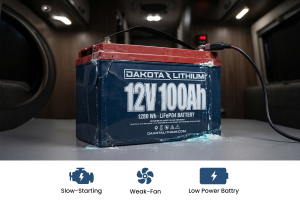
Last summer, I learned this the hard way. Everything seemed fine at first, but then the RV lights started getting weak, the fridge struggled to stay steady, and the engine took longer to start. I ignored it because the battery was still working, but that was the mistake.
How can you tell if your RV battery is failing before it completely dies on the road? The clearest signs are fast charge loss, low voltage, dim lights, weak appliance performance, slow engine starting, corrosion on the terminals, swelling, leaking, or power that cuts in and out.
The good news is you can catch most RV battery problems before they ruin your trip. A quick inspection and a simple voltage test can tell you a lot about your battery’s condition before it leaves you stuck somewhere.
In this guide, we’ll break down the warning signs, what they mean, and what you should check first so you can protect your RV, your trip, and your peace of mind.
What Is An RV Battery and Why Does It Matters?
An RV battery powers the
-
- May 16, 2026
A weak battery can stop a ride before it starts. The starter clicks once, and the bike stays silent. That small delay can waste a full riding day.
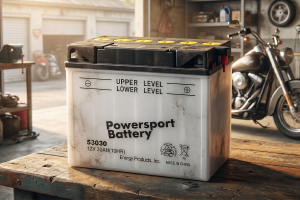
The riders should know that a PowerSport battery for a motorcycle must match the bike’s size and power needs. A large cruiser needs more starting force than a small street bike. The right battery also supports lights and accessories with less stress.
A smart choice starts with fitment first. The battery must sit tight in the tray. The terminals must also match the cable layout.
Riders should compare motorcycle battery types before buying. AGM and lithium both have strong use cases. A fair PowerSport battery comparison helps riders choose the best motorcycle battery for their riding needs.
What Is a PowerSport Battery?
A PowerSport battery starts motorcycles and small ride vehicles. It gives a short burst of power at startup. It also supports lights and basic electronics.
Motorcycles need batteries that resist vibration. Engine shake and road
-
- May 15, 2026
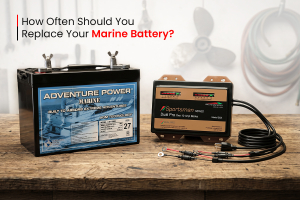
A weak boat battery can ruin a good day fast. The engine may crank once, then fail at the ramp. You do not want to face a situation like this.
Replace your marine battery by turning off the boat, removing the negative cable first, then the positive cable. Install the new battery, connect the positive cable first, then the negative cable, and secure it properly.
Power issues can leave a boat stranded without any way to call for help. Knowing the right time to buy a new battery prevents stressful situations. This guide explains everything you need to know about marine battery replacement.
How Long Does a Marine Battery Last?
Marine battery life depends on the battery type and how you care for it. High-quality marine batteries often last between three and five years. Good AGM batteries may last up to seven years with good care.
Lithium options provide the longest service for modern boaters today. These advanced cells can provide power for ten years or even longer. Choosing the right technology
-
- May 12, 2026
Yes, lithium batteries are much better for most UTVs. This is especially true for a specific type called Lithium Iron Phosphate, or LiFePO4. They give you a significantly longer battery life, make your UTV lighter, and provide superior, more consistent power for accessories like winches and light bars.
This guide will explain everything simply. We will explore the core parts of a UTV power system to help you understand why lithium is a major upgrade over older AGM and lead-acid batteries. If you want a UTV that is always reliable and ready for adventure, exploring the range of modern UTV and Powersport batteries is the perfect place to begin.
What a UTV Battery Has to Handle
A UTV battery does more than start the engine. It also supports the UTV electrical system. That matters when the ride has extra gear.
A stock machine may have a smaller load. A trail build may have a light bar, winch, radio, and heater. Each part adds accessory load.
Most side-by-sides use 12-volt powersport batteries.
-
- May 09, 2026
Winter storage can be tough on any vehicle that sits unused for months. ATVs are no different. Many riders park their machines once the cold weather arrives and expect everything to work perfectly in spring.
Then the problems start. The engine struggles to turn over, the battery feels weak, or the ATV does not start at all. Cold temperatures and long periods without use slowly drain battery power. In some cases, the battery becomes permanently damaged before the riding season even begins.
That is why learning how to properly store your ATV battery for winter is so important. Proper storage helps protect battery life, maintain performance, and prevent expensive replacements later.
With a few simple steps like cleaning the terminals, charging the battery fully, and storing it in a dry place, your ATV will be ready when warmer days return.
Why Winter Storage Can Destroy an ATV Battery
Cold weather creates problems for batteries long before snow fully covers the ground. As temperatures drop,
-
- May 08, 2026
Riders need a strong start for every trip. Each machine requires the right power to handle the road. Vehicle owners often ask about the best power source for their needs.
People in the USA buy many types of batteries for different machines. The PowerSport Battery vs. Regular Battery debate helps you choose the correct battery type. The right choice helps protect the vehicle and gives steady starts.
This article covers the major differences in design. We help you find the best fit for your machine. But first, let’s find out what exactly a PowerSport battery is.
What Is a PowerSport Battery
A PowerSport battery is a compact battery made for sport and leisure vehicles. It gives a strong starting power from a small case.
A motorcycle battery is one common type. An ATV battery and a UTV battery also fall under this group.
These batteries fit small trays. They also handle vibration from trails and rough roads.
A strong PowerSport battery can support lights and screens. It can also support winches
-
- May 07, 2026
You head out for a smooth ride on the course, expecting everything to work perfectly. Instead, the cart feels weak and slow, struggling to keep pace. That sudden drop in performance often points to a deeper battery issue.
Understanding what causes golf cart batteries to lose power helps you spot it early. Most people think a simple recharge will fix everything, but that is not always true.
Inside the battery, chemical aging, sulfation, and poor maintenance quietly reduce capacity over time. Heat, overcharging, and long storage without use also drain performance faster than expected. The result is less power, shorter rides, and frustration on the course.
The good news is that most of these issues can be managed or prevented. With the right care, your cart can regain smooth, reliable performance.
Primary Symptoms of Power Loss in Golf Cart Batteries
Recognizing early warning signs of a failing battery can save you from getting stranded. Your cart gives clear signals through its performance.
-
- May 07, 2026
Marine batteries can last from a couple of years to even a decade. The duration is set by the battery’s type, design, price, discharge cycle, and how it's treated. Whether you are seeking a new battery either to replace the old one or for backup, the best option is also the most durable.
What’s the average lifespan of a marine battery? Why do some batteries dry out fast? Is there any way to extend a battery’s life? These are questions that haunt every boat owner. Let’s dig into their answers.
What Determines a Marine Battery’s Lifespan?
Can a marine battery last 10 years? The answer to this simple question depends on several factors affecting battery life. From cell architectures, electrolyte states, and discharge cycles, to protective measures and prices.
Battery Type
Batteries for sea-goers vary widely in purpose, capacities, core materials, and longevity. Boat engines are becoming advanced and demanding more powerful cells. Lithium-ion batteries are the answer to the high demand of