A New Generation of Power: Hi-tech Rechargeable Batteries
Since the introduction of lead acid batteries in 1859, scientists have sought ways to perfect the device. They later discovered that these types of batteries were rechargeable. Manufacturers eventually developed other types of rechargeable batteries. Although these batteries are more cost-effective than single-use batteries, rechargeable models eventually lose their ability to power devices. Another issue is the ever-increasing energy demand of battery-powered consumer products.
Battery Technology of the Future
Scientists are creating a new generation of high-tech batteries to meet the increasing demand for power. They are also expanding the life of batteries by increasing their maximum number of charging cycles. The U.S. military is developing a rechargeable lithium-ion battery that can be incorporated into the clothing that soldiers wear. Northwestern University researchers have developed an electrical conductor that enables lithium-ion batteries to charge faster and retain the charge 10 times longer than existing technology. Stanford University has revolutionized nickel-iron batteries, which Thomas Edison created to power electric cars in the 1900s. The updated battery can fully charge in minutes rather than hours. While some futuristic developments are years away from consumer use, other high-tech batteries are available today, such as microscopic nanowire batteries.
Today’s Hi-Tech Batteries
Current lithium-ion batteries are more powerful than sodium batteries. They can also hold a charge longer than their sodium counterparts can. These advances are possible because lithium atoms release more energy. These small powerful batteries are a common component in consumer electronics. Lithium-ion batteries also lose their charge more slowly when not in use. Polymer technology enables manufacturers to produce these batteries in a wide variety of shapes. Another advance in the industry is that manufacturers are replacing nickel-cadmium batteries with nickel-hydride batteries. Cadmium is a toxic heavy metal, which is hazardous to the environment. These new technologies provide consumers with eco-friendly, lightweight batteries that last longer and recharge faster.
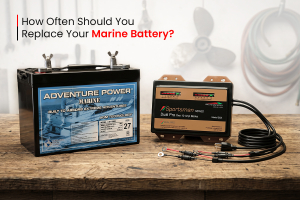
Contact your battery retailer if you need assistance locating a rechargeable battery that is suitable for your battery-powered device or vehicle. Whether you need a lightweight battery or one that can handle numerous deep-cycle discharges, a knowledgeable representative can help you find a product that meets your requirements. To maximize the life of the battery, you should utilize the latest in smart battery chargers as well. These intuitive devices are easy to use and will prevent your battery from failing due to overcharging or undercharging.