Advantages and Disadvantages of Electric Cars
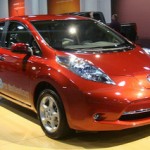
Electric cars have been hailed as an answer to civilization's reliance on fossil fuels for a few years now. By itself, electricity produces no air pollution or greenhouse gases. It's cheaper to transport electricity on power lines than it is to drill, ship, refine, and transport gasoline to fill stations around the country.
Unfortunately, electric vehicles have some flaws that will need to be addressed in the next few years. Some of these issues stem from fundamental problems in the United States' energy infrastructure, and they will be difficult and costly to fix.
Initial Cost and Extended Savings
Electric cars may cost too much for the average driver. With an entry point of $27,700 after the federal tax credit, the base Nissan Leaf model is out of reach for many people. For comparison, a gasoline-powered Nissan Versa starts at just $11,990 and gets up to 40 highway mpg.
However, electric vehicles shine when it comes to operational cost. For somebody who drives an average of 15,000 miles a year at $3.50 per gallon of gas, the Versa will cost about $1,300 to drive. At an average of 3.5 cents per mile, the Leaf will cost just $525. A less efficient gasoline-powered vehicle like the 32 mpg Altima Coupe would cost over $1,600 to drive.
Shorter Range
While auto and battery manufacturers are hard at work developing new battery technologies, current battery packs only offer 70-100 mile ranges at full charge. While perfect for commuting around town, this limited range is insufficient for longer trips. Most batteries can charge within 8 hours, but Leaf owners are essentially tethered to their homes unless they have a spare vehicle to drive on longer trips.
Where Does the Energy Come From?
Electric cars don't just generate electricity out of thin air. They must still plug into an electrical outlet, and the only way we can generate electricity is through fossil fuels, nuclear fission, or renewable power plants. According to the EIA, we receive about 80 percent of our electricity from fossil fuels, and electric vehicles will contribute to that demand.
Environmental Benefits
However, vehicles like the Nissan Leaf make better use of that energy. Newer cars typically feature more efficient designs to squeeze every last ounce of performance out of their motors and battery packs. Even though they use electricity from the grid, those larger power plants are more efficient than the small combustion engines found in motor vehicles. While electric vehicles aren't completely carbon neutral, they still generate far less CO2.
Efficiency Concerns
Leaf owners have also reported poor efficiency in extremely cold and hot climates. At freezing temperatures, the Leaf loses power, and higher temperatures can reduce the battery pack's ability to hold a charge. Nissan claims that a Leaf's battery pack should retain at least 70 percent of its capacity after 10 years, but some owners are seeing reduced capacities within the first year. Why don't those owners just replace their batteries? New Leaf battery packs sell for $15,000.
Electric cars may well prove the car of the future especially if alternatives like hydrogen or thorium fuel cell engines prove inefficient or prohibitively expensive. Unfortunately, current electric vehicles require significant improvements before they gain mainstream popularity.