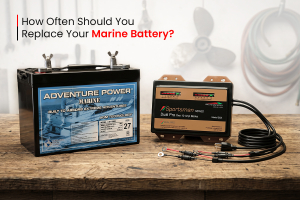
Getting the Most from Your RV Batteries
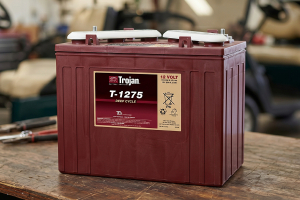
RV batteries are durable deep-cycle batteries that are designed to withstand heavy and constant use. You can get the most from your RV batteries with proper care and maintenance.
The major factors that determine how long your battery will provide useful service are how often and how much you discharge and recharge your battery. If you do not recharge your battery soon after it discharges, you will shorten its life expectancy. You should never fully discharge your battery because it can stress and damage the internal components.
The amount that you should drain your RV battery prior to recharging it will depend upon the manufacturer’s guidance. Undercharging is the most common reasons that a battery fails. For some models, a complete cycle is to discharge the battery from a 100 percent charge to a 50 percent charge. If you only discharge the battery to an 80 percent charge prior to recharging it, the battery will last half as long as a battery that is properly discharged. In general, you should not allow an RV battery to drain below 50 percent. Another common reason that batteries fail is overcharging. When a battery is overcharged, it loses water and the plates corrode. Ensure that you follow your RV owner’s manual for the correct procedure on how and when to recharge your batteries.
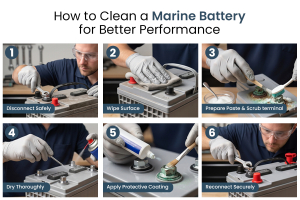
Proper battery maintenance helps to prolong the life of the battery as well. You should regularly check your battery to ensure that it is free of debris and corrosion. Make sure that you wear eye protection and gloves to prevent contact with the battery acid. Start the process by removing the negative battery cable and then the positive cable. Inspect the cables for corrosion or breaks. You can remove corrosion from the battery terminal posts and cable clamps with a commercial RV battery cleaner. If your battery has removable caps, check the level of electrolyte inside the cells. The solution should cover the plates. Add electrolyte if necessary. Replace the caps. This step can be eliminated if you purchase a sealed lead acid battery that uses an electrolytic gel as opposed to a liquid solution. Apply a thin layer of petroleum jelly to the terminal posts and reconnect the cables. Ensure that the battery clamps are tightly secured to the posts. You should also inspect the integrity of the insulation that shields your batteries. Proper insulation will prevent your battery from draining during cold weather.
At the end of the season, properly winterize your RV batteries. Remove the batteries and store them in a warm place. If you decide to leave them in the RV, ensure that they are fully charged and filled with electrolyte. Use your battery disconnect switch to prevent the battery from discharging if you forget to turn off all your appliances. This will prevent your battery from fully discharging or being discharged for an extended period.
If you are not sure how to maintain your specific battery, contact your battery retailer for more information.