How to Properly Dispose of a Battery
Batteries are used to power a wide variety of household gadgets from alarm clocks and flashlights to MP3 players and cordless phones. Whether a battery is single-use or rechargeable, it will eventually lose its charge or the ability to be recharged. Reports indicate that the average person discards eight small batteries each year.
Preventing Environmental Damage
When your battery no longer performs as it should, you must take steps to properly dispose it. This ensures that any recyclable materials are reclaimed. Recyclers will take the necessary precautions to prevent environmental damage.
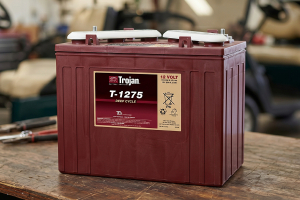
Some battery components, such as nickel, mercury, lead acid, and alkaline are considered toxic waste. Here are some tips on how to recycle your batteries.
There are government regulations that prohibit placing batteries that contain any of these materials or substances in regular weekly household trash. Some jurisdictions permit individuals to discard non-alkaline, single-use batteries in household trash while others do not. Although you can simply discard your AA and AAA batteries, it is better to dispose of them in such a way that the material may be recycled. The materials will be used to create new batteries and other items. Contact your local waste management office for information on the drop-off or recycling center nearest your home.
How to Recycle Batteries
When a battery is no longer capable of providing power, you should remove it from the device immediately. Old batteries can rupture and leak dangerous, corrosive chemicals inside the battery compartment. Place each battery that you want to dispose in a separate plastic bag. This will prevent contact between batteries that may still have a partial charge. If contact occurs, a small current could cause the batteries to rupture. Store the batteries in a cool, dry place until you can take them to a disposal or recycling center. Another option is to contact a mail-order company that accepts small batteries for recycling.
The vast majority of small batteries in use are single-use batteries models. Using rechargeable batteries reduces the overall number of batteries that are manufactured each year. Properly recycling single-use and rechargeable batteries provides the raw materials required to make new batteries. If you are not sure what to do with your old batteries, contact your retailer for more information.