Types of Batteries
The modern battery was invented by Alessandro Volta in 1800. Since then, the battery has been constantly refined and specialized. However, while there are many different types of batteries, most are powered by three specific technologies.
Lead-Acid
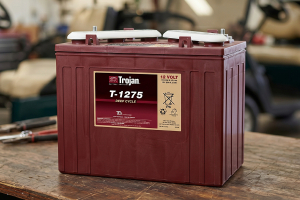
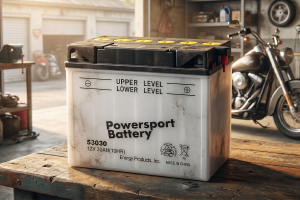
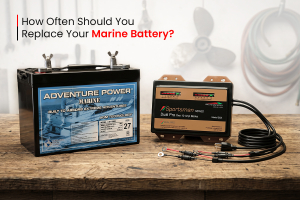
The lead-acid battery design has been in use since 1859. This type of battery produces electricity from the chemical reaction between lead electrodes and an acidic electrolyte solution. They are used in a variety of applications, including forklifts, golf carts, solar systems, marine electronics and automobiles.
However, while this type of battery is very cheap to construct, a lead-acid battery is not very energy dense. On average, a lead-acid battery only stores about 25 watt-hours per kilogram. As such, this type of battery is usually only used in situations where this low energy density is not a drawback. For example, the weight of the battery is immaterial for a solar power system; the system is not mobile, so the weight of the battery pack doesn't matter. Automobiles are another common application for lead-acid batteries. In an automobile, the battery is not the primary power source, so the vehicle doesn't need to carry more than one battery.
Lithium-Ion
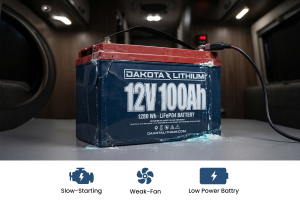
The lithium-ion battery is a newer type of battery, and it has become very popular in recent years. This type of battery creates an electrical charge as lithium ions move from the positive to the negative terminal of the battery. Most consumer electronics use this type of battery; it is very energy dense, holds its charge well, and doesn't lose much of its capacity over repeated charges.
However, for all of its benefits, the lithium-ion battery does have several serious drawbacks. First, this type of battery is vulnerable to an effect called thermal runaway, which in extreme cases can cause the battery cell to rupture and combust. Several freight carriers refuse to ship any device containing a lithium-ion battery for precisely this reason, particularly if the device will be shipped by air. Although most lithium-ion batteries contain internal mechanisms to prevent thermal runaway, these same mechanisms can sometimes cause the battery to drain prematurely or even become permanently dead. This type of battery is also sensitive to external temperature; a lithium-ion battery drains faster in elevated temperatures and is unsafe to charge at very low temperatures. Additionally, this type of battery is relatively expensive to manufacture.
Alkaline
The most common type of battery is the alkaline battery. This type of battery generates power by allowing a zinc anode to react with an alkaline electrolyte. Alkaline batteries are used in a wide variety of applications, including radios, MP3 players, flashlights, smoke detectors and more. Although most alkaline batteries are not rechargeable, they are cheap to manufacture and store a usable amount of electricity. They are not vulnerable to self-discharge, but they do sometimes leak when left unused for an extended amount of time.