Page 27 - Ready for IMPACT Battery Blog
-
- November 17, 2012
The modern battery was invented by Alessandro Volta in 1800. Since then, the battery has been constantly refined and specialized. However, while there are many different types of batteries, most are powered by three specific technologies.
Lead-Acid
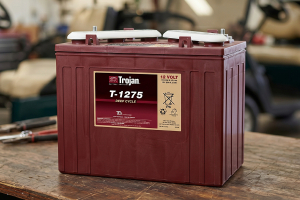
The lead-acid battery design has been in use since 1859. This type of battery produces electricity from the chemical reaction between lead electrodes and an acidic electrolyte solution. They are used in a variety of applications, including forklifts, golf carts, solar systems, marine electronics and automobiles.
However, while this type of battery is very cheap to construct, a lead-acid battery is not very energy dense. On average, a lead-acid battery only stores about 25 watt-hours per kilogram. As such, this type of battery is usually only used in situations where this low energy density is not a drawback. For example, the weight of the battery is immaterial for a solar power system; the system is not mobile, so the weight of the battery
-
- November 15, 2012
Disposing of batteries can be a tricky process when dangerous materials are a concern. The impact that battery disposal has on the environment can also be an important point to remember when getting rid of battery waste, so anyone who would like to get rid of old batteries should understand the disposal process and know where to properly recycle batteries.
Proper Battery Recycling Procedures
The first step in battery recycling is ensuring that a battery is properly disposed of once it has lost its charge. Many households simply throw old batteries in the household garbage can, but this is a practice that is both wasteful and potentially dangerous if non-alkaline batteries are involved.
Batteries that are no longer able to power a device still have a small amount of charge left in them, so it is important to avoid disposing of more than one battery in the same waste receptacle at the same time. This is most important to remember in regards to alkaline batteries, which can be disposed of
-
- November 13, 2012
The current lithium and alkaline batteries that power cars, smartphones, and laptops are about to get a serious face-lift Battery technology has historically advanced very slowly, but demand is exploding for batteries that can operate under extreme temperatures and go through more charge cycles. As the world economy moves away from fossil fuels, batteries become increasingly important to normalize power grid distribution. On a smaller scale, both electric vehicles and smartphones will benefit from improved battery technologies.
Current Battery Tech
For being the high tech transportation of tomorrow, electric vehicles use some decidedly low tech parts. The first generation of electric vehicles mainly used lead-acid batteries, which are cheap to manufacture. Unfortunately, lead-acid batteries are toxic to the environment, have a low 70 percent charge-discharge efficiency, and become less efficient at low temperatures.
Lead-acid batteries have been phased out in favor of lithium ion batteries,
-
- November 13, 2012
The modern battery is a ubiquitous device that traces its origin to the waning days of the 19th century. Count Alessandro Volta, an Italian physicist, developed an efficient method for a battery to generate electricity.
While there are many types of batteries, they all convert chemical energy into a source of usable electrical energy. A battery is used to supply power for a wide range of electric-powered devices and equipment, such as vehicles, MP3 players, flashlights, cell phones and cameras. A battery makes electric starters feasible for combustion engines in automobiles, motorcycles and boats. Today’s batteries operate under the same principle discovered by Count Volta known as the voltaic pile, which was named in his honor.
Basic Internal Structure of a Battery
One side of the battery has a positive terminal connected to a positively charged electrode called the cathode. The other side is the negative electrode, or anode. The two electrodes consist of different metals, such as zinc
-
- November 04, 2012
Making a battery from a potato is a great way to learn about how simple chemical reactions can power a circuit. The supplies you need for this project are very inexpensive, and it only takes a few minutes to put it together. Making a battery using a potato is a simple activity, but it can help to give you a greater appreciation for and understanding of what's going on inside of more complicated batteries.
What You Will Need
For a very basic potato battery, all you need is a potato, a knife, two short pieces of copper wire, a shiny penny and a galvanized nail or screw. If you want to chain together multiple cells to make a more powerful battery, then you will need a penny and a nail or screw for each cell. A multimeter is optional for this activity, but having one ready will allow you to more easily test the battery that you are making.
Putting Together the Battery
Start off by cutting a small slit near one end of the potato. Tightly wrap the copper wire around the penny two or three times,
-
- October 31, 2012
Scooters are becoming more popular as a means of transportation for commuters, college students and for running short errands. These highly fuel-efficient vehicles have electric starting systems that are powered by a battery. Although these batteries are designed to take and hold a charge on a regular basis, they can lose that capacity over time. If this occurs, the battery will not have the cranking amps required to start the gasoline engine. You will need to jump-start the battery if the usual procedure for starting the scooter fails.
Safety Precautions
Ensure that you take sufficient safety precautions while jump-starting the battery. Protect your eyes with safety goggles, and wear work gloves to safeguard your hands. Park the vehicle a safe distance from open flames and all sources of heat. This includes cigarettes. Battery acid can leak during the charging process. Cover the scooter battery with an old towel after connecting the terminals to prevent contact with the acid.
Accessing
-
- October 30, 2012
Batteries are necessary to power important devices like flashlights and smoke detectors. They enable us to communicate and enjoy music on the go. However, they also create hazardous waste and harm the environment in various ways. The most eco-friendly batteries last for several years and contain the fewest toxic substances.
RechargeableThree major types of rechargeable batteries include nickel-metal hydride, nickel-cadmium and nickel-zinc. They all help to reduce the amount of battery waste that enters our environment. NiMh batteries last longer than Ni-Cad units, and they don't contain toxic cadmium. They remain easier to find in stores than Ni-Cad or NiZn products.
The new NiZn rechargeable batteries deliver a higher voltage and hold more power than the other types. They don't suffer from the "memory effect" to any considerable degree, so you can charge an NiZn battery at any time. However, they require a special type of charger that cannot safely charge other batteries. They also cost
-
- October 25, 2012
Battery powered toy cars for kids are more popular than ever. There is a huge array of options on the market, and prices have really dropped in recent years. As a result, toy cars seem to be everywhere. Before buying one for your child, you should learn the basics about using them safely. Although toy cars aren't big, bulky machines like ATVs, they can be safety hazards when not used properly. From charging the toy car battery the proper way to ensuring that your child drives it in a safe location, there are many ways to maintain safety while using a battery powered toy car.
Choose an Age-Appropriate CarThere are many battery toy cars on the market today. Some are geared toward very young kids while others are designed for older children. As with other kinds of toys, you should keep the age guidelines in mind when shopping for a toy car for your child. If you buy a battery powered toy car that is too large or too advanced for your child, he/she won't just have trouble using it; they could -
- October 17, 2012
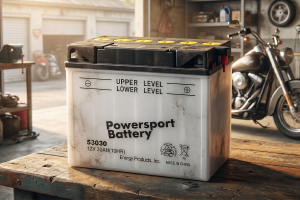
In order to gain the full power they need to run, motorcycles require the power and design elements of a Yuasa Battery.
Anatomy of the Yuasa Battery
The battery features a number of elements including the heat-contained case constructed from polypropylene. With the covering in place, the case will protect the motorcycle from battery acid seepage and corrosion. In addition, the covering gains more strength from the case’s bonded unit. The cover ensures reduced running temperatures and provides more resistance against oil and gas. In fact, the container will protect the battery from severe weather conditions.
In addition to the covering, the battery includes thru-partition construction, which ensures a faster path for the device’s current. The enhancement provides less resistance for improved cranking power along with a quicker reaction time from the motorcycle’s power source.
With a Yuasa battery, motorcycle owners will receive the device’s patented sealed post. The specially designed post
-
- October 15, 2012
With the holiday season quickly approaching, parents will be searching for the perfect presents to give their children. Parents may consider battery-powered toys since they offer children unique imagination enhancing opportunities. This year’s top powered toys include:
Fisher-Price Video Camera
By giving children a Fisher-Price video camera, parents will encourage them artistically. The camera’s construction includes the ability to withstand falling to the floor numerous times, and its design features steady shooting and easy-to-reach buttons. Children can shoot their video and replay it immediately. If they are unhappy with the results, then they can delete their first attempt and complete a reshoot. The camera is available in blue and pink while the device requires four AA batteries.
Vtech-KidiJamz Studio
When parents prefer to encourage their child’s musical talent through battery-powered toys, they’ll appreciate the multiple options offered on the Vtech-KidiJamz device. With the Vtech