
Charger Accessories
Batteries for
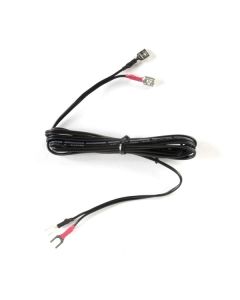
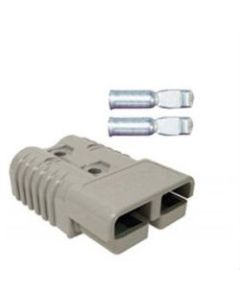
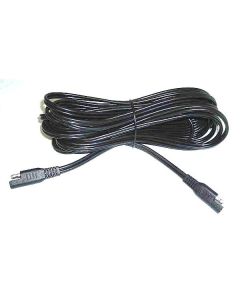
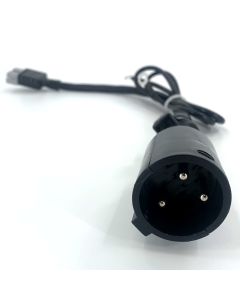
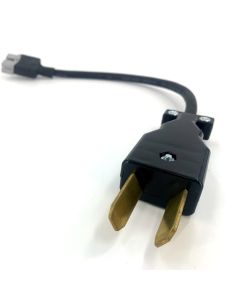
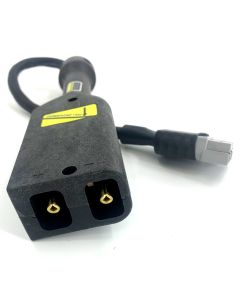
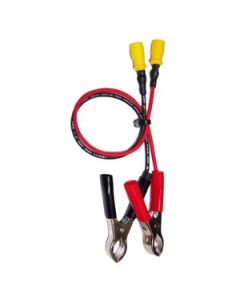
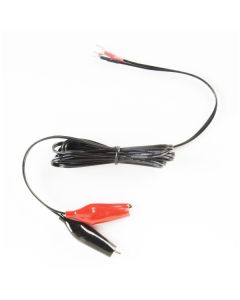
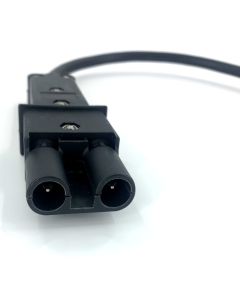

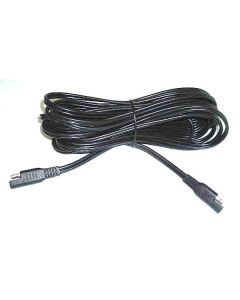
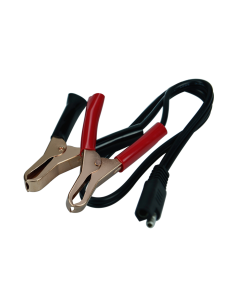
To get the most from your power systems, you need proper charger accessories. The right one will provide reliable connections and efficient energy transfer. Each part is durable and built to keep your equipment running smoothly without interruptions.
From golf cart plugs to heavy-duty extension cables, we have the right solution to protect your battery and ensure safety. Don’t let loose connections or the wrong adapters slow you down. Our connectors, adapters, and harnesses fit Club Car, E-Z-GO, Anderson systems, and more.
Types of Charger Accessories
At ImpactBattery, we offer a massive inventory of power solutions. It may feel like a lot at first. But it comes down to three simple goals: extend your reach, adapt your connections, and stay safe while doing it.
Some parts help you stretch power across a garage or room. Others help different plugs fit together. Some parts protect you from getting shocked.
Pick the goal you need. That makes the choice easier. Now, let’s look at the specific parts that solve your connection problems.
Golf Cart Charger Plugs & Adapters
Golf carts are not universal. A Club Car does not use the same plug as an E-Z-GO. If you try to force a connection, you will break the port. You might even fry the electrical system. You must match the plug to the brand and the voltage.
Impactbattery stocks the specific connectors that fit your cart perfectly. You will not need to modify your charger or jury-rig a connection. Here are the common types you will find:
Crowfoot Plugs: These are the standard for many older models. They have a distinct shape that locks into the cart’s receptacle. You will see these on 36V and 48V systems. If you drive a Club Car, you likely need a crowfoot style connector to match the factory receptacle.
3-Pin Plugs: These are the workhorses for E-Z-GO carts. The three pins line up with the vehicle's internal computer. They tell the cart when it is charging and when it is done. You can find the right E-Z-GO plug to ensure your charger communicates with the battery pack correctly.
D-Plug Styles: You will often see these on Yamaha carts. They offer a secure, tight fit that resists water and dirt. A Yamaha specific plug ensures you do not have to wiggle the connector to make contact.
Remember, always check your cart’s manual. Look at the shape of the charging port. Once you identify the style, you can grab the adapter that fits. It removes the guesswork entirely.
Extension Leads & Cables
The outlet is never in the right spot. It is always too far away. You might be tempted to use a household extension cord. But please do not do it.
Household cords are not rated for the amperage your charger pulls. They get hot. They melt. They cause voltage drops that ruin your charge cycle.
You need dedicated extension leads designed for charging. These cables carry the full current without losing power. They keep your charge efficient.
Available Lengths: You can find cables as short as 5 feet for tight spots. A 5-foot SAE extension works great for close reach. You can also find 25-foot cables that let you charge in the driveway while the outlet is in the garage.
Connector Types: Look for SAE connectors for standard applications. Quick-Disconnect options let you snap the cable on and off in seconds. A 12-foot quick disconnect lead gives you that "just right" length for most garages.
Use the right cable. You protect your home from fire hazards. You also ensure your battery gets a full, strong charge every time.
General Connectors, Adapters & Harnesses
Sometimes you need to build or repair a connection yourself. You might have a custom project, or just need to repair a broken wire on a maintenance charger. This is where general connectors come in. They let you tailor the power flow to your specific machine.
These parts range from simple adapters to complex wire harnesses. They solve the "odd fit" problems that standard plugs cannot handle.
Permanent vs. Temporary Connections
Before you buy a connector, ask yourself one question. Will this stay on the battery forever? Or will I take it off when I am done? Your answer dictates the part you need.
Ring Terminals: These are for permanent setups. You screw the ring onto the battery post. It stays there. This is perfect for maintenance chargers on stored vehicles. It ensures the connection never slips off. You can use a fuse protected ring terminal harness to keep your gear safe year-round.
Alligator Clips: These are for portability. You clamp them onto the battery when you need a charge. You take them off when you are ready to go. Use these for bench charging or quick jumps. A durable alligator clip connector makes temporary hookups fast and secure.
Match the tool to the job. A permanent ring terminal on a portable jump starter is a hassle. A clip on a long-term storage charger is a safety risk. Choose wisely.
Safety & Compatibility Standards
Electricity is dangerous. A short circuit can start a fire. A reverse polarity connection can destroy your battery instantly. You need protection built right into the accessories.
Look for integrated fuse protection. Many harnesses from Impactbattery include inline fuses. If there is a surge, the fuse blows. It cuts the power instantly. Your battery survives. Your equipment survives. You simply replace the fuse and keep going.
Also, look for SAE cross-compatibility. The SAE standard ensures that your connector fits other SAE ports. You are not locked into one brand. You have flexibility. This standard creates a safer, more universal charging environment for everyone.
Anderson Power Products (SB Connectors)
When you demand high power, standard plugs fail. They melt under the heat. They create resistance. For industrial machines and high-performance vehicles, you need Anderson Power Products. These are the SB connectors.
They are built for serious amperage. They handle the heavy flow of electricity without breaking a sweat. You will see these on forklifts, winches, and high-speed electric vehicles.
You identify them by their housing color. The color tells you the amperage rating. This system prevents you from plugging a 350-amp connector into a 50-amp system. It makes mismatches impossible.
Red Housings: These house the SB50 connectors. They handle up to 50 amps. Use them for lighter industrial work or golf cart upgrades. You can adapt your existing setup using SB50 grey to red adapters.
Grey Housings: These contain SB175 connectors. They manage up to 175 amps. These are for heavy-duty applications. If you need to bridge two different amperages, an SB50 to SB175 adapter solves the fit.
Other Colors: You will find SB350 and higher ratings in distinct housings. These are for extreme performance and industrial machinery. For the biggest power flows, you might need an SB350 to SB175 adapter.
Use these connectors for a reliable, low-resistance connection. They are the industry standard for a reason. They work.
Toy & Vehicle Specific Parts (Peg Perego & More)
Kids ride their toys hard. They drive them through mud, leave them in the rain, and eventually, the charger port breaks. Or the internal wiring snaps. You do not need to throw the toy away. Just need the right part.
We stock specialized adapters for ride-on toys. Peg Perego is a common brand. They use specific connectors that differ from car or marine standards. You can find exact replacement harnesses that fit the internal electronics of these toys.
Brand Specifics: You will find parts tailored for Peg Perego, Power Wheels, and other niche brands. If the stock plug is lost, a Peg Perego charger adapter replaces it perfectly.
Internal Harness Replacements: These harnesses let you repair the wiring inside the toy. If the wires are cut or corroded, an internal wire harness replacement brings the toy back to life.
These parts are small but essential. They save you money. They keep the kids happy. And they keep those expensive toys out of the landfill.
Testing & Measurement Tools
You cannot see electricity, or even smell it, until it is too late. To truly understand your system's health, you need tools. You need to measure what is happening inside the wires.
Testing tools take the guesswork out of diagnostics. They tell you whether your charger is working, holding a charge, or if your cables are bad. Here are the tools to use:
Multimeters: This is the essential tool. It measures voltage, current, and resistance. You use it to check if your charger is outputting the correct voltage. You use it to check if a wire is broken. A simple yellow digital multimeter is a perfect addition to any toolbox.
Voltage Readers: These are simpler tools. They give you a quick snapshot of the battery's state of charge. You hook it up, and it tells you if the battery is full or empty.
Keep these tools in your shop. Use them before you buy a new battery. Often, a "dead" battery is just a victim of a bad cable or a faulty charger.
How to Select the Right Charger Accessory?
You must know how to pick the right charger accessory. You can’t just grab any cable. It needs to match your power needs. This keeps things safe and working well.
Focus on two things: the wire thickness (gauge) and where you will use it. Let’s break it down so you can choose with confidence.
Understanding Wire Gauge (AWG) and Voltage Drop
Wire is not just wire. It has a thickness rating called American Wire Gauge (AWG). The number can be confusing: a smaller number means a thicker wire, and a larger number means a thinner wire.
This matters because thin wires resist electricity. When too much power goes through them, energy is lost as heat. You can also get a voltage drop. For example, a charger may send 12 volts, but the battery only gets 10 volts.
Distance makes this worse. Longer cables have more resistance. So, longer runs need thicker wires.
Short Runs (Under 10 feet): You can often use a standard gauge wire (like 16 or 18 AWG) for low amperage. A female socket SAE extension works well for these shorter maintenance tasks.
Long Runs (Over 20 feet): You must step up to a thicker wire (12 or 10 AWG). This thickness fights the resistance and makes sure the voltage arrives at the battery strong and steady.
Check your charger’s amperage rating. Check the distance you need to run the cable. Buy the thickest wire you can afford. It is always better to have a wire that is too thick than one that is too thin.
Weatherproofing and Durability Ratings
Where do you charge your batteries? In a dry garage, or outside on a dock, job site, or muddy trail?
Your environment matters, as regular connectors can rust and fail when wet. You need parts made for tough conditions.
SAE Ratings: These show the connector’s design and fit. Choose quality SAE-rated connectors for reliability.
IP Ratings: This tells you how well it blocks water and dust. Look for IP67 or IP68 if you use it in wet areas. These can handle being in water.
Do not go cheap for outdoor use. Indoor plugs can corrode fast. Weatherproof ones last much longer. Spending a bit more now saves trouble later.
Troubleshooting Common Connection Issues
If your charger turns on but the battery is not charging, don’t panic. A stuck charge light or a slight burning smell is a common sign of a connection problem. Not usually the charger itself.
Before replacing anything, do a few quick checks. You may fix it in minutes.
Diagnosing Continuity and Resistance
Sometimes a wire looks fine on the outside but is broken inside. This stops power from flowing. Grab your multimeter. Set it to the continuity setting (usually marked by a sound wave symbol). Follow these steps:
Disconnect the Power: Unplug the charger. Remove the accessory from the battery.
Touch the Probes: Put one probe on one end of the wire or connector. Put the other probe on the opposite end.
Listen for the Beep: If the multimeter beeps, the wire is good. Electricity flows through it.
Check for Resistance: If there is no beep or the meter shows high resistance, the wire is broken or corroded inside.
Do this test on your extension cables and adapter harnesses. It instantly tells you which part is the weak link.
Replacing Blown In-Line Fuses
Many cables have a small black tube in the middle. This is an in-line fuse holder. Inside is a small fuse that protects your equipment.
If there is a surge or a short circuit, the fuse blows. When this happens, power stops, and your charger may seem dead. To fix it:
Open the fuse holder
Take out the fuse
Check the wire inside. If it’s broken or dark, it’s blown out.
Replace it with the same amperage fuse. Do not use a higher one, it can be unsafe. Always use a new fuse to restore power right away. Keep extra fuses on hand for easy fixes.
Why Buy Your Charger Accessories from Impactbattery?
You have lots of options, big stores, online marketplaces, but not every part is the right part for your battery or charger needs. You need parts that work reliably with your system.
We focus only on power, durability, and customer satisfaction. We sell batteries and the connections that make them work. This focus helps you get exactly what you need. We offer:
Fast U.S. Shipping: We ship from the United States. You get your parts quickly. You do not wait weeks for a package to clear customs.
Expert Tech Support: You have a question? We have answers. Our team understands the technical specs. We help you match the plug to the port. We help you troubleshoot the weird problems.
High-Quality Components: We stock brands like Anderson Power Products. We demand quality insulation and solid copper. We do not sell cheap knock-offs that melt.
We want your system to work and be safe. This is why we offer quality accessories that make that happen.
Frequently Asked Questions About Charger Accessories
You still have questions. That is good. It means you want to get this right. Here are the answers to the most common concerns customers have about their charging setups.
Can I use a car charger extension cord for my battery charger?
No. And you should not try either. Car charger extension cords are often too thin for the sustained amperage of a battery charger. They can overheat. They cause voltage drop. Use a heavy-duty extension cord rated for the amperage of your charger.
How do I know if my golf cart plug is bad?
Look for burn marks on the plastic. Wiggle the plug. If it feels loose or falls out easily, the contacts are worn. Also, check for corrosion. Green or white buildup on the metal pins prevents a good connection.
Do I need a weatherproof connector for my golf cart?
If you store your golf cart outside or charge it in a carport, yes. Water and electricity do not mix. A standard connector will corrode quickly in humid or wet conditions. A weatherproof connector (IP-rated) seals out the moisture.
Why is my inline fuse blowing immediately?
If a new fuse blows the second you plug it in, you have a "dead short." This means the positive and negative wires are touching somewhere. Check your wires for cuts. Check the connector for damage. Do not keep replacing fuses until you find the short. You risk melting the wiring harness.
What is the difference between 2-pin and 3-pin connectors?
A 2-pin connector simply carries positive and negative power. A 3-pin connector usually communicates with the vehicle’s computer. That third pin tells the battery management system to start or stop the charging process. Always check your vehicle's manual to see which style you need.
Is it safe to leave an adapter plugged in permanently?
It depends. If the adapter has ring terminals, it is designed for permanent attachment. If it uses alligator clips or a plug-in style, it is safer to disconnect it when not in use. This prevents accidental short circuits and theft.
Ready To Upgrade Your Charger Accessory?
The right charger accessory does more than move power. It protects your battery, keeps your equipment safe, and makes sure every charge works well.
From golf cart plugs that match your vehicle to thick extension cables that prevent voltage drop, every part plays an important role.
A cheap or wrong part can ruin an expensive battery. The correct wire gauge, connector, and tested components prevent wasted energy, heat, sparks, and frustration. Whether fixing a toy or upgrading a fleet, reliable connections keep everything running.
We offer connectors, adapters, and testing tools. You can solve problems fast. Protect your investment. Keep your batteries charged safely and efficiently.