
- Category
Alarm Batteries
Batteries for
You trust your home alarm system to protect your family day and night. But when the power goes out, the system depends completely on its backup battery. Without reliable replacement alarm batteries, your security system can stop working exactly when you need it most.
That leaves your home unprotected during outages or emergencies. A good alarm battery works quietly in the background, ready to keep your system running when the main power fails. It is a small part of the system, but it plays a major role in keeping your home safe.
What Is An Alarm Battery? Why Is It Important?
An alarm battery is the backup power source inside your security system that keeps everything running when the main electricity shuts off.
Most people rarely notice it, but this small battery plays a major role in keeping a home protected. It sits inside the control panel and automatically powers the system during outages.
Without it, your alarm system can stop working when you need it most. A reliable alarm battery helps your security system continue working by supporting:
Continuous monitoring during power outages
Motion sensors and door contacts
Alarm sirens and warning sounds
Stable system performance without shutdowns
Emergency protection during storms or failures
This is why a healthy alarm battery matters. It keeps your system active, connected, and ready to respond even when the main power fails. A small component like this can make a big difference in home security and peace of mind.
Hidden Risks of Using Substandard Alarm Replacement Batteries
Cheap, unbranded power cells seem like a bargain at first glance. They fit the slot. They show a light. Yet, the price tag hides a massive gamble. Cheap alarm batteries often suffer from poor manufacturing that turns them into liabilities.
Internal Shorting: Low-grade plates inside the battery can touch and cause a fire.
Chemical Leakage: Weak casings crack and leak corrosive acid inside your control panel.
Voltage Sag: These cells drop their charge way too fast under a real load.
Fire Hazard Risks: Substandard materials cannot handle the heat of a continuous charge.
You are protecting your most valuable assets. Do not risk them on a battery that might melt, leak, or fail when you need it most.
Importance Of Market Leaders In Alarm Batteries
Power is not just about the battery itself, it also depends on who makes and tests it. Alarm systems need reliable, steady energy, and established manufacturers are key to delivering that.
Lead-acid batteries have been used in security systems for decades because they are stable and predictable. Trusted brands design them specifically for alarm panels, which require long standby life and consistent performance.
While lithium is often seen as the future, alarm systems are built around specific power needs. Market leaders focus on meeting those requirements instead of following trends.
Quality SLA batteries are made for float charging and long standby use, often staying connected for months without issues. Reputable manufacturers follow strict standards, while lower-quality suppliers may sacrifice reliability.
Because batteries are chemical systems, proper quality control and fresh production matter. Trusted brands ensure better storage and turnover, so batteries reach users in optimal condition, keeping security systems powered when it matters most.
How to Identify the Exact Replacement Battery for Your Security System
Knowing exactly what to buy saves you time and stress. You do not need to be an electrical engineer to find alarm battery matches. You simply need to know how to read the secret code on the side of your old unit.
Reading Voltage and Amp-Hour (Ah) Specs
Look at the sticker on your current battery. You will see a set of numbers that defines its life. The battery model number is usually printed clearly. Focus on the Voltage (usually a standard 12V alarm battery) and the Amp-Hour (Ah) rating.
This Ah number tells you how long the system will run during an outage. Matching battery specifications means the system stays exactly as the manufacturer intended. Never guess these numbers.
Checking Terminal Types and Physical Dimensions
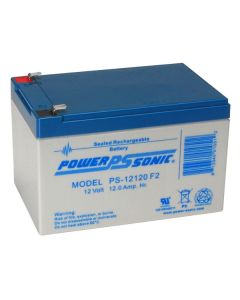
Size matters inside a tight metal alarm box. If the battery is too big, the door won't latch. If the terminals are wrong, the wires won't reach. The difference between F1 vs F2 terminals is just a few millimeters of metal width.
Using the wrong battery terminal size will force you to jerry-rig a connection, which is a recipe for a loose wire and a "trouble" light. Check your connector compatibility before you click "buy." It provides a snug, secure fit that won't vibrate loose.
Replacing Your Alarm Panel Battery Safely: Step-by-Step
Changing a battery is a simple task if you follow the right flow. Keep your workspace clear and your mind focused.
Phase 1: Notifying Your Monitoring Station and Powering Down the Alarm
Before touching a single wire, contact the monitoring company and explain that a step-by-step replacement is being performed. The account will be placed in “test mode” to prevent false dispatch to the police.
Next, power down the system by unplugging the AC transformer, stopping the main board’s “heartbeat” so work can be done safely without risk of a short.
Phase 2: Accessing the Alarm Enclosure and Removing the Depleted Battery
Your alarm is usually tucked into a metal box near the ceiling or in a closet. Open the door. You might see a tamper switch that triggers a beep, don't worry, that just means it's working. Locate the enclosure box and find the red and black wires. Carefully pull the spade connectors off the old battery tabs.
Phase 3: Correct Wiring, Polarity, and Securing the New Battery Terminals
This is where care matters most. Battery wiring polarity is non-negotiable. Red must touch Red (+). Black must touch Black (-). If you cross them, you will blow a fuse or fry the board.
Slide the new connectors onto the fresh tabs until they click. If they feel loose, pinch them slightly with pliers for a tighter grip.
Phase 4: Performing a System Reset and Validating Battery Voltage
Plug the AC transformer back in first. Then, look at the keypad. Clear any old faults by entering your code. Give the system five minutes to recognize the new power source. If the "Low Battery" light stays off, you have successfully performed the alarm battery test.
Troubleshooting Common Power Alerts and Battery Failures
Sometimes the system starts beeping or flashing warning lights for no clear reason. A low battery alert or AC power loss message can feel urgent, but it usually comes down to a simple fault.
The key is not guessing. Troubleshooting common power alerts and battery failures helps you figure out whether the issue is the battery, the charger, or the power supply itself. Most of these problems are fixable once you know where to look.
Decoding “Low Battery” Warnings
A low battery warning often shows up when the battery is failing a self-test or losing capacity. Start with the basics: check the battery age.
If it is over three years old, it is likely near the end of its life. Even if it still works, it may not hold enough charge during a power outage. Sometimes the warning is not the battery at all, but a charging issue.
Resolving “AC Power Loss” Alerts
If you see an AC power loss alert, check the transformer first. Make sure it is plugged in, and the outlet is working.
A blown fuse or failed transformer can stop the system from charging properly. When that happens, the battery slowly drains and triggers other warnings.
Battery vs Charging Problem
A quick multimeter test can help. Around 13.5V to 13.8V means the charger is working. If the reading is zero or unstable, the charging circuit may be the issue.
This simple check helps you avoid replacing the wrong part and keeps troubleshooting faster and cheaper.
Why Choose ImpactBattery For Alarm Batteries
Finding the right alarm battery should not feel complicated. That is why ImpactBattery focuses on making the process simple, reliable, and stress-free. We do more than just sell batteries. We help customers find dependable backup power that works properly with their security systems.
Every battery is selected for performance, reliability, and long-term use. Here is why many customers choose ImpactBattery:
Reliable alarm batteries for different systems
Expert support to help with compatibility
Fast shipping and fresh battery stock
Performance-tested products you can trust
Simple online ordering with helpful guidance
Our goal is to help you keep your alarm system powered and ready when it matters most. With the right battery and proper support, protecting your home becomes much easier.
Top 3 Alarm Batteries To Choose From
Sorting through black plastic boxes can feel tiring. The good news is we have narrowed it down to three powerful options that cover most security needs. These reviews focus on the real performance you can expect in your home or business.
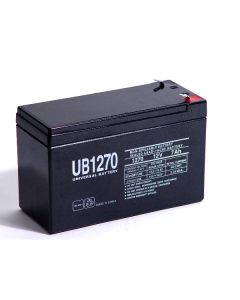
1. UPG UB1270 12V 7Ah: The Universal Security Standard
There is a reason this unit is a best-seller. It is a standard 12V alarm battery used in millions of homes. Whether you have an ADT, Honeywell, or DSC system, this battery is designed to be a reliable fit.
Reliability: It uses Absorbed Glass Mat (AGM) technology. This means the acid is trapped in fiberglass mats, making it completely spill-proof.
Maintenance: You never have to add water or check levels. It is a "set it and forget it" solution.
Value: It offers a long service life at a very small price.
If your current home alarm battery looks like a standard black brick, this is your perfect match. It provides that essential alarm system backup power for roughly 3 to 5 years. It is the most common choice for replacement alarm batteries.
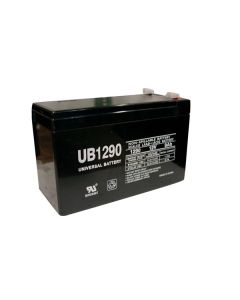
2. UPG UB1290 12V 9Ah: The High-Performance Upgrade
Sometimes, the standard version isn't enough. If you live in an area where the power grid is shaky, you need a larger reserve. The Alarm backup battery is a genius bit of engineering. It fits in the exact same physical space as a 7Ah battery but packs 28% more energy.
Capacity: The jump from 7Ah to 9Ah is significant. It gives your system extra hours of life during a total blackout.
Fit: You do not need to buy a bigger metal enclosure. It slides right into your existing bracket.
Durability: The UB1290 handles deep discharges better than its smaller cousins.
This is the ultimate "peace of mind" upgrade. Use this Security battery if you have added extra sirens or high-draw motion sensors to your system. It makes sure your alarm battery setup never quits early.
3. Panasonic LC-R127R2P: The Professional’s Choice
When your security requirements move into the commercial or high-end residential space, you call for Panasonic. This is arguably the highest-quality Alarm battery you will find. Engineers love it because it is built to extremely tight tolerances.
Purity: It uses high-purity lead. This reduces internal resistance and prevents the battery from "cooking" itself on a continuous charge.
Heat Resistance: It performs better in garages or attics where temperatures fluctuate.
Stability: It provides a very flat discharge curve. This means your sensors get a steady voltage until the very end.
If you are protecting a high-value property or a specialized fire alarm battery circuit, this battery is the winner. While some people look for a lithium alarm battery, this lead-acid champion is the reliable choice for traditional panels.
Frequently Asked Questions (FAQs)
Getting a security system back online should be simple. Below are common questions and answers to help you choose the best alarm battery for your needs.
Can I use a higher Amp-Hour (Ah) battery in my alarm panel?
Yes, usually you can. A higher Ah rating means your Alarm backup battery lasts longer during power outages. Just make sure the physical size fits your panel. It is like getting a larger gas tank for your car. It just keeps you going further.
Why is my alarm still beeping after I installed a new battery?
Most systems need a little time to run a new test. Your keypad might beep until the charging circuit recognizes the fresh Security battery. Enter your code to clear the fault. If it still beeps after 24 hours, check your transformer or wiring connections.
How long will my new alarm battery last?
You can generally expect three to five years of service from a high-quality 12V alarm battery. Heat is the biggest enemy of battery life. If your panel is in a hot attic, replace it sooner. Always check for the low battery warning on your keypad.
Can I use a Lithium alarm battery instead of Lead Acid?
Only if your system is designed for it. A lithium alarm battery has different charging needs than standard lead-acid cells. Mixing them can damage your panel. Stick to the chemistry listed in your manual. Most home systems still rely on the stable power of SLA.
How do I get rid of my old battery?
Lead-acid batteries are 99% recyclable. Never toss your old home alarm battery in the trash. Take it to a local recycling center or an auto parts store. They will handle the chemicals safely. This keeps lead out of our soil and protects our local environment.
Is it safe for me to change the battery myself?
It is very safe. You do not need to pay a technician to visit. Just follow a step-by-step replacement guide. Keep the red and black wires on the correct terminals. Always notify your monitoring company before you open the panel to avoid a false alarm.
Find The Right Alarm Replacement Battery Today
Most people only think about alarm batteries when something stops working. Then it becomes urgent.
Weak or dead batteries can leave your security system unreliable without warning. That’s why regular replacement matters more than it seems.
Fresh alarm batteries keep your system active 24/7 and reduce the risk of failures during emergencies. It’s a small step that supports constant protection.
With reliable power in place, your home security stays ready in the background. So you don’t have to think about it until it’s truly needed.