
AGM Marine Batteries
Batteries for


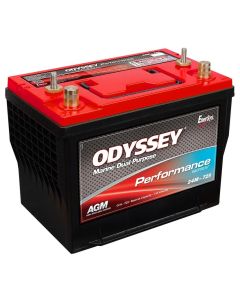
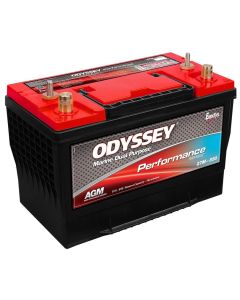
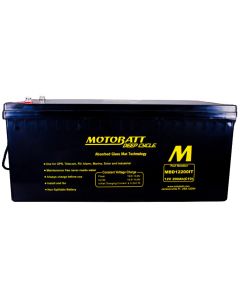
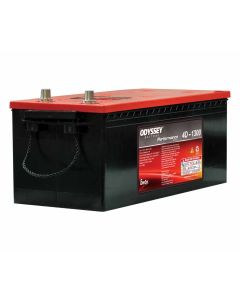


Marine batteries are used to provide deep-cycle applications on boats and yachts. If your battery fails to do so, it’s time to replace the battery.
To find a replacement for the AGM marine battery, you need to find the correct battery and specifications based on your boat's power needs. Impact Battery has a wide range of AGM Marine Battery Replacements from 33Ah to 255Ah.
When to Replace an AGM Marine Battery?
AGM batteries deliver reliable performance in demanding marine environments. But even the best AGM batteries eventually reach the end of their lifespan.
You also need to replace the battery to prevent power loss in the water. Here are the most common signs that your AGM marine battery needs replacement:
Bulging or Swollen Case: A swollen case shows dangerous internal damage that requires immediate replacement.
Ruptured or Cracked Case: Any cracks or ruptures can cause leaks, shorts, or complete battery failure.
Low Voltage Reading: Below 11.8 volts signals the battery is near dead and unlikely to recover.
Failure to Hold Charge: If it drains quickly or drops under load, the battery is too weak.
Frequent Charging Problems: Needing constant recharging means it no longer maintains power properly.
Performance Drop in Extreme Weather: Struggles in hot or cold conditions show reduced capacity and end-of-life signs.
Identify the Right AGM Marine Battery for Your Boat
Before buying a replacement AGM battery, check what type your boat already uses. AGM batteries come in three main types: Starting batteries, Deep-cycle batteries, and Dual-purpose batteries.
Choosing the right type of battery will make sure your boat runs smoothly and avoids power problems on the water.
Starting batteries are built to kick your engine into action. You can spot one by checking if it’s labeled as a “starting” or “cranking” battery.
These batteries send out a quick, strong burst of power to get the motor running. Starting batteries aren’t made for long use, and draining them often will cause damage.
Deep-cycle batteries are popular for powering things like trolling motors, lights, and fish finders. They provide steady energy over a long period.
You can tell if a battery is a deep-cycle battery by looking for “deep cycle” on the label. These are perfect to use when you need reliable power for hours without restarting the engine.
Dual-purpose batteries can handle both starting and deep-cycle jobs. You’ll recognize a dual-purpose battery when the label says “dual-purpose” or “marine dual-use.”
These batteries are a good choice if your boat has limited space, since one battery can do both tasks. They don’t perform quite as well as specialized batteries but work great for most boaters who want versatility.
Pick the Correct AGM Battery Size
It’s important to match your new AGM battery to the size of the one you’re replacing. If the battery is too small, it can move around in rough waters and cause safety issues. If it’s too large, it may not fit in the battery compartment at all.
Marine batteries are grouped by BCI size, with common options being Group 24, 27, and 31. Always check your boat’s manual or the label on your old battery before choosing a replacement. This ensures the battery fits properly, connects securely, and powers your boat without hassle.
You can check the battery size on the top or the size of the existing battery. Or, you can measure the battery length, width, and height and compare that to a BCI group size chart.
Choose the Correct Power Rating
Picking the right power range for your boat will help keep everything running smoothly. There are two main ways to measure a battery’s power rating: Cold Cranking Amps (CCA) and Amp Hours (Ah).
Cold Cranking Amps (CCA) show how much power a battery can deliver when you start the engine. Even in cold weather, a higher CCA means your boat engine turns over faster and with less strain. This rating is most important if you have a larger motor or live in a cooler climate.
Amp Hours (Ah) measure how long the battery can provide steady power. This helps you know how long it can run lights, radios, or trolling motors without draining too quickly. If you use electronics often, look for a battery with a higher Ah rating.
Checking Your Battery’s Rating is simple. Look at the label on your current battery - both CCA and Ah are usually printed there. You can also check your boat’s manual to find the recommended rating.
Recommended AGM Battery Replacements for Different Needs
Different boats need different types of AGM marine batteries. Picking the right one keeps your boat safe, reliable, and running longer. Here are the three main types to choose from:
Starting Batteries
Starting batteries give a strong burst of power to start your engine. They are best for boats that only need quick cranking power without running a lot of electronics.
A great example is the Odyssey ODP-AGM4D Performance Battery, which delivers 1300 CCA for powerful starts even in tough conditions. Just remember, starting batteries are not made for deep discharge, so don’t use them for long accessory power.
Deep-Cycle Batteries
Deep-cycle batteries provide steady energy over long periods. They are perfect for trolling motors, radios, lights, and other electronics on the water.
The Lifeline GPL-31T 12 Volt 105Ah Battery is a strong in-stock option that handles long trips with ease. Look at the Amp Hour (Ah) rating to see how long it can power your gear - higher Ah means more runtime.
Dual-Purpose Batteries
Dual-purpose batteries combine starting power with deep-cycle ability. They are best for boats with limited space or for owners who want one battery that can do both jobs.
The NorthStar Group 31 Dual Terminal Marine AGM Battery (NSB-AGM31M) is built for both cranking and deep-cycle performance. While these batteries are convenient, they won’t match the full strength of a dedicated deep-cycle battery
Why Choose Impact Battery
Impact Battery has over a decade of experience providing high-quality batteries for boats, vehicles, and specialty equipment. Our focus is on reliable products, clear service, and helping customers find the perfect fit for their needs. Here are the reasons why you should choose Impact Battery:
Free ground shipping on orders over $50 within the lower 48 states.
Most orders are packed and shipped within 24 business hours.
You have 20 days after purchase to request a return if needed.
We stock popular AGM replacement brands like Lifeline, Odyssey, and NorthStar.
Every battery comes with a warranty and an easy return process.
Secure checkout protects your personal and payment information.
AGM Battery Installation
AGM batteries are built for reliability and long-life performance. Installing a new AGM battery may seem tricky, but it’s actually straightforward when you follow the right steps. Here’s a simple, step-by-step guide to help you replace your AGM marine battery.
First, put on your gloves and goggles so you stay safe. Once you’re ready, turn off the boat’s ignition and flip the battery switch to cut the power. That way, there’s no chance of getting shocked while you work.
Now it’s time to disconnect the cables. Always start with the negative (-) side before moving to the positive (+). Doing it in this order keeps sparks from jumping and makes the whole process safer.
With the cables off, you can lift the old AGM battery out of the tray. Be careful to keep it upright and set it aside in a safe spot until you can recycle it.
Before dropping in the new battery, take a minute to check the tray. Look for cracks, rust, or loose parts. If you see any buildup on the cable ends, scrub them clean with a wire brush and add a little anti-corrosion spray so your new connection lasts.
Now place the new AGM battery into the tray, making sure the terminals line up the right way. Strap it down or secure it with the bracket so it won’t slide around when the boat hits waves.
Next, reconnect the cables by starting with the positive (+) and finishing with the negative (-). Tighten them enough to stay firm, but don’t crank too hard. A quick spray of corrosion protection here is always a good idea.
Once everything’s hooked up, flip the switch back on and start the boat. Check that your electronics and lights power up the way they should. You can also give the battery a quick shake test to make sure it’s secure.
AGM Marine Battery Maintenance Tips
AGM batteries are built for long life, strong power, and low maintenance. If you take good care of them, they can last for many years. Here are some simple tips you can follow to keep your AGM marine battery working at its best.
Use a smart charger that adjusts the voltage on its own. This protects the battery from overcharging and helps it last longer.
Try not to drain the battery too much. If it drops below half power too often, the lifespan will get shorter.
Keep the battery posts clean by brushing away any dirt or corrosion. You can also add a little grease to the connection to keep it strong.
Strap the battery down tightly in the tray. If it moves or shakes in rough water, the inside plates can get damaged.
Check the voltage with a meter now and then. A full AGM battery shows about 12.8 volts. If it falls close to 12.3V, give it a recharge.
Store the battery in a cool, dry place when not in use. Heat and freezing can both cut down its life.
If your boat is stored for the season, charge the battery every month or so with a trickle charger. This keeps it healthy and ready to use.
Need Help Picking the Right AGM Marine Battery?
Not sure which size or model fits your boat? Give us a quick call at (866) 668-3163 and speak with one of our battery experts. Just share your boat’s make and model, and we’ll help you find the perfect match in minutes.