
YZF-R6 Beast Battery Replacement: Complete Guide
Batteries for
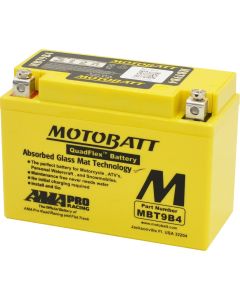
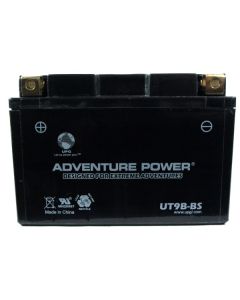
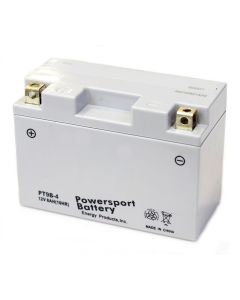
The YZF-R6, including the R6S (2001–2007), is a legendary sportbike celebrated for its speed, precision, and aggressive handling. But even the most powerful machines rely on one simple component to get moving: the battery. A weak or failing battery can turn a morning ride into a stressful struggle, leaving your bike slow to crank or unable to start at all. This is where a proper YZF-R6 beast battery replacement comes in. This guide covers everything you need to know—from understanding the battery type, to choosing the right replacement, installing it safely, and keeping it in top condition.
Understanding the YZF-R6 Battery
The stock YZF-R6 battery is typically a 12V AGM (Absorbent Glass Mat) battery. AGM batteries are sealed, maintenance-free, and designed to deliver high cold-cranking amps (CCA), which is critical for sportbikes that demand instant starts. Key features include:
- Voltage: 12V
- Type: AGM (maintenance-free, sealed lead-acid)
- Cold Cranking Amps (CCA): Sufficient to start the engine even in colder conditions
- Vibration Resistance: Durable enough to withstand sportbike vibrations
- Compact Size: Fits snugly in the battery compartment without modifications
The R6S and older R6 models (2001–2007) rely on these batteries for reliable ignition. Over time, even the best batteries lose capacity due to repeated charge and discharge cycles, heat, and natural chemical wear.
Signs You Need a YZF-R6 Battery Replacement
Knowing when to replace your battery is crucial. Here are clear indicators that your YZF-R6 is ready for a new beast battery:
- Slow Engine Crank: The starter motor turns over slowly, and the engine struggles to ignite.
- Difficulty Starting in Cold Weather: Cold temperatures reduce battery efficiency. If your bike hesitates or won’t start, the battery may be failing.
- Frequent Jump Starts: Requiring external power repeatedly signals a weakening battery.
- Dim or Flickering Electronics: Headlights, indicators, and other electronics behave inconsistently when the battery cannot maintain stable voltage.
- Physical Damage: Swelling, leakage, or corrosion on terminals means immediate replacement is necessary.
Ignoring these signs risks being stranded, and can strain the starter motor and other electrical components.
Choosing the Right Replacement Battery
Selecting the right battery is not just about matching the size; it’s about ensuring compatibility, performance, and longevity.
1. Match Specifications
Ensure the replacement battery matches your bike’s requirements:
- Voltage: 12V
- Size: Fits the compartment without forcing
- Terminal Type and Polarity: Correct placement to avoid misconnection
2. Check Cold Cranking Amps (CCA)
Higher CCA ratings mean better starting power, especially important in colder weather or for high-performance engines. Avoid replacements with a lower CCA than recommended.
3. Battery Type Options
- AGM Batteries: Reliable, maintenance-free, and cost-effective. Ideal for daily riders.
- Lithium Batteries: Lightweight, faster charging, and longer lifespan, but higher cost and potential compatibility concerns with older charging systems.
4. Brand Reliability
Choose reputable brands. Cheap batteries may fail sooner, and a reliable brand often comes with a warranty to protect your investment.
5. Riding Style Consideration
- Daily Rider: AGM battery is usually sufficient.
- Weekend Racer/Performance Rider: Lithium battery can provide better weight reduction and durability.
Step-by-Step Installation Guide
Installing a battery correctly ensures safety and prevents damage to the electrical system.
- Turn Off the Motorcycle
Ensure ignition is off and keys are removed. Safety first. - Remove the Old Battery
- Disconnect the negative terminal first, then the positive.
- Lift the old battery out carefully.
- Inspect and Clean
- Clean the battery tray and terminals to remove dust, corrosion, or residue.
- Install the New Battery
- Place the battery securely in the compartment.
- Connect the positive terminal first, then the negative terminal.
- Tighten connections without over-torquing.
- Test the Start
- Turn the ignition on and check the starter motor and electronics.
- A smooth start confirms proper installation.
Common Mistakes to Avoid
Even experienced riders sometimes make errors that reduce battery life or cause performance issues:
- Wrong Battery Size: Leads to poor fit or vibration damage.
- Ignoring CCA Ratings: Low CCA causes slow starts and electrical stress.
- Mixing Battery Types: Using lithium where AGM is required can damage charging systems.
- Loose Terminal Connections: Causes intermittent starting failures.
- Leaving Battery Uncharged: Idle batteries degrade faster.
Maintenance Tips for Maximum Battery Life
Even the best batteries benefit from proper care:
- Regular Charging: Keep the battery charged, especially during off-season storage.
- Avoid Deep Discharge: Completely draining the battery shortens lifespan.
- Clean Terminals: Prevent corrosion to ensure stable connection.
- Smart Charger for Storage: Ideal for long-term storage or infrequent use.
Frequently Asked Questions
1. How long does a YZF-R6 battery last?
Typically 2–5 years, depending on riding frequency, climate, and charging habits.
2. Can I upgrade to a lithium battery?
Yes, if your bike’s charging system supports lithium. AGM to lithium upgrades can improve weight and lifespan but check compatibility.
3. What happens if the CCA is too low?
Your bike may crank slowly, especially in cold conditions, leading to unreliable starts.
4. Is maintenance needed for AGM batteries?
AGM batteries are maintenance-free but still require proper charging to avoid deep discharge.
5. Can a failing battery affect other bike components?
Yes. It can strain the starter motor, voltage regulator, and other electronics over time.
Conclusion
The YZF-R6 beast battery replacement is more than swapping a part—it’s about ensuring your bike remains reliable, fast-starting, and ready for every ride. Understanding the signs of battery failure, selecting the right replacement, installing it properly, and performing basic maintenance keeps your YZF-R6 performing at its best.
A strong, compatible battery is essential for your safety and riding experience. Don’t wait for a weak battery to leave you stranded—replace it on time and ride with confidence.