
Group 27 Battery Replacements
Batteries for
-

-

-

-
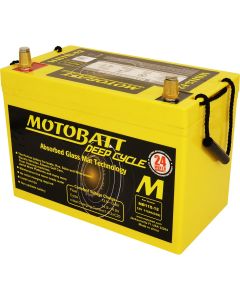 MotoBatt MB115-12 Group 27 Deep Cycle Battery: 12V 115AhSpecial Price $298.95 Regular Price $348.00


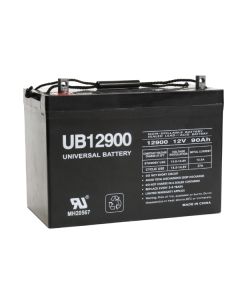
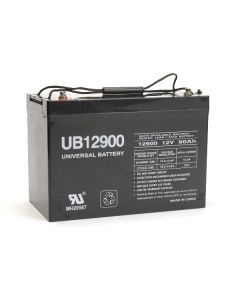
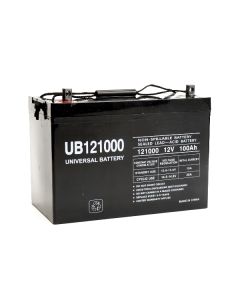
Looking for a reliable Group 27 12V battery? You’ll find top-rated options for RVs, boats, and mobility devices. These deep-cycle batteries provide long-lasting power for demanding systems. Choose from AGM, gel, and sealed designs trusted by pros who need performance, durability, and consistent voltage every time.
What Is a Group 27 Battery?
A Group 27 battery is a BCI-standard size commonly used in RVs, boats, and off-grid solar setups. It usually measures around 12 inches long, 6.75 inches wide, and 9 inches tall. These batteries deliver 12 volts and come in deep cycle, AGM, gel, or dual-purpose formats. Most models offer 90Ah to 105Ah and high reserve capacity for longer runtimes.
You’ll often find Group 27 batteries in places that need steady, reliable power over long periods. They fit many applications, and that makes them a popular choice for mobility use, marine electronics, and backup systems.
Why Choose ImpactBattery?
Not all battery sellers offer the same care, quality, or service. At ImpactBattery, we make sure you get long-lasting power, honest support, and trusted brands that work as hard as you do.
Trusted Brands, Proven Quality
We only stock batteries from trusted names like NorthStar, Optima, Lifeline, and UPG. Each Group 27 battery is fresh from the warehouse, not sitting on a shelf for months. These batteries are built to meet real-world demands for RVs, boats, and backup systems. If you need AGM, gel, or deep cycle, you’ll find options that meet strict safety and performance standards.
Fast Shipping, Real Support
We ship across the U.S. quickly, so you never wait long to power your setup. Many products ship directly from the warehouse to your door. If you’re unsure which battery fits your needs, our experts will help you decide with clear and helpful answers. You won’t get auto replies or vague advice - just real support when you need it.
Value That Goes Beyond Price
ImpactBattery gives you more than just low prices. We carry premium batteries and budget-friendly models that still deliver dependable performance. Every product is chosen for durability, output, and fit. Our customers trust us because we focus on real value, not just cost. When you shop here, you’re getting power that’s built to last, backed by people who care.
Perfect Group 27 Deep Cycle Batteries for RVs & Marine Use
Choosing the best Group 27 deep cycle battery depends on how you use your RV, boat, or off-grid setup. You need a battery that delivers strong, steady power without breaking down after repeated charges. Below are some of the top-rated models trusted by serious users nationwide.
NorthStar NSB-AGM27
This AGM battery offers excellent cold cranking power and deep cycle performance in one unit. It’s maintenance-free and built for tough use in both automotive and marine settings. The downside is price - it's premium quality at a premium cost.
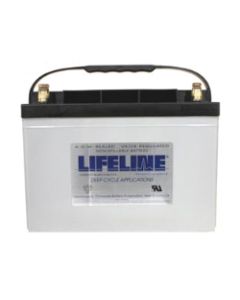
Lifeline GPL-27T
A trusted AGM battery with a 100Ah capacity, perfect for RVs, solar, or backup systems. It handles deep discharges well and has strong reviews for long-term reliability. It’s heavier than others but makes up for it in durability.
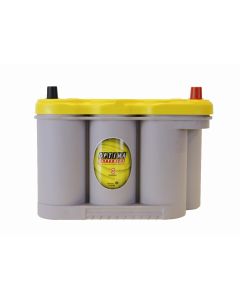
Optima YellowTop D27F
This dual-purpose AGM model is renowned for its quick starts and reliable deep-cycle power. It’s an excellent fit for RVs and boats with moderate power needs. Its standout feature is resistance to vibration and extreme conditions, but it comes at a premium price.
MotoBatt MB115-12
A 115Ah deep-cycle battery offering great value for money. It works well in RVs and marine systems where high capacity is needed. While it’s not lithium, it delivers excellent performance at a lower price point.
UPG UB121000-Z1
A budget-friendly option that still delivers solid 12V deep cycle performance. It's maintenance-free, solar-compatible, and ideal for backup or light marine use. It doesn’t have the same lifespan as premium models but offers excellent value.
Group 27 Battery Dimensions and Specs
Group 27 batteries belong to a BCI group size commonly used in RVs, boats, and backup power systems. These batteries are kept in stock and available in deep cycle, starting, or dual-purpose types.
The standard Group 27 battery measures around 12.00 inches long, 6.75 inches wide, and 9.00 inches tall. Slight height variations may occur depending on the terminal type or brand design. Most models weigh between 50 and 65 pounds, depending on internal build and plate thickness.
Battery specs can vary. You’ll see amp-hour ratings between 85Ah and 100Ah, and cold cranking amps ranging from 600 to 1050 CCA. Reserve capacity also differs by type, typically between 150 and 195 minutes.
The difference often comes down to construction. Deep cycle batteries use thick plates for long, steady discharges. Start-stop models use thinner plates for fast cranking. Some dual-purpose options combine both for broader use.
Before buying, always check the terminal layout, available space, and connection type to ensure the battery fits your setup.
Maintenance & Usage Tips
Taking care of your Group 27 battery helps it last longer and perform better in every condition. Always use a smart charger that matches your battery type, whether it’s AGM, gel, or flooded. This prevents overcharging and helps maintain healthy voltage levels.
Clean the terminals regularly using a dry cloth or battery brush to remove corrosion and buildup. Corroded terminals can lead to weak connections, reduced power output, or charging problems.
Avoid fully discharging the battery whenever possible. Deep discharges shorten the overall cycle life, especially for AGM and lead-acid batteries. If your battery sits unused, connect it to a float charger to keep voltage stable during storage.
Store the battery in a cool, dry place, away from heat or freezing temperatures. Before long trips or use in critical systems, double-check charge level and connection tightness.
Simple steps like these can make your Group 27 battery safer, stronger, and longer-lasting year after year.
How Long Does a Group 27 Battery Last?
The lifespan of a Group 27 battery depends on how it's used, stored, and maintained over time. On average, a quality Group 27 battery can last between 3 and 6 years with proper care. However, the exact number varies based on battery type, discharge rate, and how often it's cycled.
AGM batteries tend to last longer than standard flooded ones because they’re sealed, spill-proof, and handle vibration better. A well-maintained AGM battery can handle 300 to 500 deep cycles or more. Flooded lead-acid versions may offer a lower cycle count but still perform well when charged correctly and not over-discharged.
Usage also plays a big role. A battery used for occasional RV trips may last much longer than one used daily in a solar bank. Discharging a battery too far or letting it sit without charging shortens its life fast. It’s best to avoid full discharges and use smart chargers to maintain healthy voltage levels.
If you're storing the battery during off-season months, keep it connected to a float charger and check the charge every few weeks. Store it in a dry, cool area - never let it freeze or overheat.
With good habits, your Group 27 battery can give reliable power year after year without early failure.
Charging Tips for Group 27 12V Batteries
Use a Smart Charger: Choose a charger that matches your battery type (AGM, gel, or flooded) for safe, efficient charging.
Set to 12 Volts: Always set the charger to 12V to match the standard Group 27 battery voltage and avoid damage.
Follow the Right Charging Current: Use 5 - 15 amps depending on battery specs. Lower amps are safer and better for long-term health.
Watch Charging Time: A 100Ah battery at 50% charge may take 6 - 10 hours with a 10-amp charger. Avoid rushing it.
Maintain Float Voltage: Keep voltage between 13.2 and 13.5 volts when fully charged to prevent overcharging during storage.
Avoid Full Discharge: Never drain your battery completely. Deep discharges reduce cycle life and long-term performance.
Use Desulfation Mode (if available): Some smart chargers include a desulfation feature to restore performance in older or idle batteries.
Charge in a Safe Environment: Charge in a cool, dry area away from heat, sparks, or moisture to reduce risk and increase safety.
Troubleshooting Your Group 27 Battery
After years of helping customers solve battery problems, we've seen it all. Here's what you need to know when things aren't working right.
Why Your Battery Loses Charge Too Fast
Nothing's more frustrating than a battery that won't hold a charge. Usually, it's one of these culprits:
Parasitic drain is the sneaky one. Something in your RV or boat is pulling power even when everything's "off." Could be a stuck relay, a faulty radio, or even a glove box light that won't shut off. We've seen tiny LED lights drain a whole battery in a week.
Sulfation occurs when batteries are left uncharged for an extended period. Those white crystals on the plates block the chemical reaction that creates power. If you stored your RV all winter without a maintainer, this is probably your problem.
Old age catches every battery eventually. After 3-5 years of regular use, the plates wear down and can't hold as much energy. It's like an old sponge that won't absorb water anymore - no amount of charging will fix it.
Spotting a Dying Battery Before It Leaves You Stranded
Your battery usually warns you before it completely fails. Watch for these red flags:
The voltage drops below 12.4V after sitting overnight. A healthy battery should read 12.6V or higher when fully charged and rested. If you're seeing 12.2V or less, trouble's coming.
Your lights dim when you turn on other accessories. This means the battery can't deliver enough current anymore. Same goes for slow cranking - if your engine turns over like it's swimming in molasses, the battery's struggling.
Physical signs matter too. Swollen cases mean internal damage from overcharging or heat. Corroded terminals that keep coming back after cleaning suggest acid leakage. And if you smell rotten eggs near the battery, that's hydrogen sulfide gas from overcharging - dangerous stuff.
Testing Battery Health the Right Way
Grab a decent multimeter - doesn't need to be fancy, just accurate. Here's the real-world way to check your battery:
First, let the battery rest for at least 4 hours after charging or use. Surface charge gives false readings. Set your meter to DC volts and touch the probes to the terminals (red to positive, black to negative).
A fully charged Group 27 should show 12.6-12.8V at rest. Anything below 12.4V means it's less than 75% charged. Below 12.0V? That battery's basically dead.
For a better test, turn on your headlights for 2 minutes, then turn them off and immediately check the voltage. If it bounces back above 12.4V within 30 seconds, the battery's probably okay. If it stays low, the battery can't recover from loads anymore.
The best test is a proper load test at 50% of the battery's CCA rating for 15 seconds. Voltage shouldn't drop below 9.6V during the test. Most auto parts stores will do this for free.
Replace or Recondition? Here's How to Decide
Sometimes you can bring a battery back to life. Sometimes you're just wasting time. Here's how to know:
Try reconditioning when:
The battery's less than 3 years old
Voltage is low but not completely dead (above 10.5V)
There's no physical damage or leaking
It's been sitting unused, but was good before storage
Replace it when:
It's over 4 years old and showing problems
Physical damage like cracks, bulging, or heavy corrosion
It won't hold voltage above 12.4V after full charging
You've already tried reconditioning without success
It's for a critical application where failure means real trouble
Installation Tips That'll Save You Headaches
Ventilation - More Important Than You Think
Group 27 batteries produce hydrogen gas when charging. It's explosive stuff - we're talking about the same gas in the Hindenburg. Even sealed AGM batteries vent under extreme conditions.
In an enclosed space like a battery box or engine compartment, you need airflow. The rule is simple: air should flow in low and out high, since hydrogen rises. A couple of 1-inch vents usually do the job. For indoor installations, run a vent tube to the outside.
Never install batteries in living spaces without sealed boxes and external venting. We've seen too many close calls with batteries under dinette seats or in bedroom closets.