
Scissor Lift Battery Charger
Batteries for
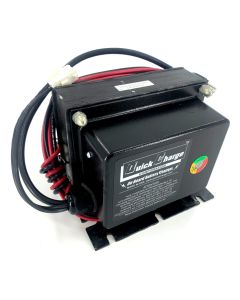
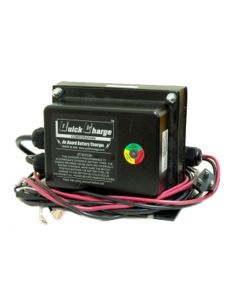
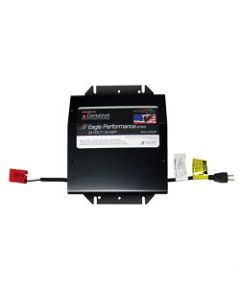
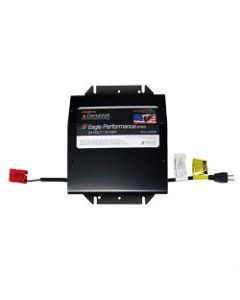

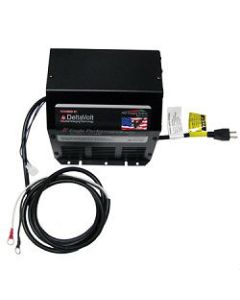
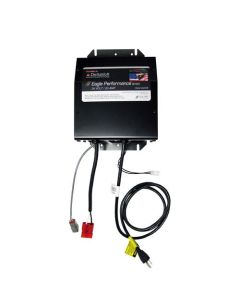
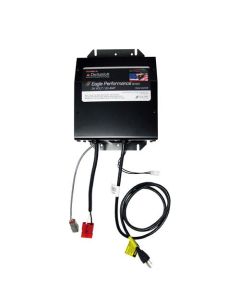
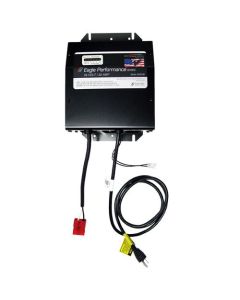
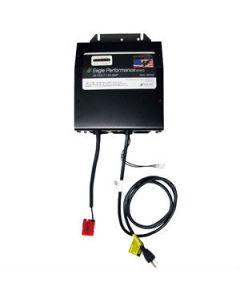
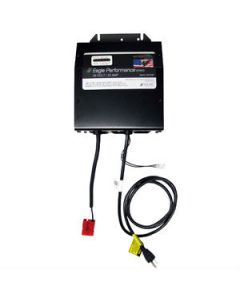
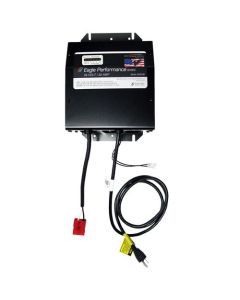
Your scissor battery charger should do one thing: give your batteries the power they need. If it’s failing to do so, stop wasting your time and money. Get the right charger that keeps up with daily use.
How to Tell if Your Scissor Lift Battery Charger Is Broken
A good charger usually lasts 3 to 5 years. After that, it begins to lose strength. You’ll notice it’s not working like it used to. Here’s how to tell your charger’s on its way out:
If your charger is taking longer than usual to fill the batteries, that’s the first red flag. You plug it in at night and expect a full charge by morning, but the lift still does not operate. That means the charger is no longer pushing enough power.
Sometimes, the batteries never hit full charge at all. The light on the charger stays red or flashing. The lift runs, but the charger turns off before the job is complete. And when batteries don’t get a full charge, they wear out faster.
The charger can also behave strangely, such as shutting off too soon or staying on for too long. A good charger knows when to stop. If it sits down too early, the charge is weak. If it keeps going too long, it can overheat the battery.
If your charger gets hot or starts to smell, that’s a big warning sign. It’s not just the battery heating up. Most of the time, the charger overheats from the inside. That’s more than just a performance issue - It’s a safety concern. If you feel heat or smell anything unusual, unplug it immediately.
Pay attention to the lights on your charger. Most have a simple system: red means charging, green means done. If there’s no light at all, something’s off. That usually means the charger isn’t reading the battery correctly or it’s not connecting properly.
Don’t ignore any damage to the cable or plug either. If you see any frayed wires or melted plastic, that’s enough to mess up the whole charge. Even if the charger turns on, that bad connection can stop it from doing its job.
And the clearest sign of all? You leave it charging all night, but the lift still won’t start in the morning. At that point, the problem isn’t the battery -it’s the charger. When it can’t deliver power after a complete charge cycle, it’s time to replace the charger.
Common Types of Scissor Lift Chargers
Different types of scissor lift chargers are built for various kinds of batteries. Using the wrong type can damage the battery or reduce its lifespan. That’s why it’s important to pick a charger that matches your battery type. Here’s a quick look at the most common charger types and when to use each one:
AGM Battery Charger
If your lift runs on sealed AGM batteries, this is the type of charger you need. AGM batteries hold a charge well and don’t need water like the old flooded ones. Many scissor lifts use them because they’re built for tough, daily use.
But there’s a catch: you can’t charge an AGM battery with just any charger. They need a charger specifically designed for AGM batteries. The wrong charger can overcharge the battery or wear it out way faster than it should.
Flooded Lead-Acid Battery Charger
Flooded lead-acid batteries are the classic wet cell type you’ll still find in plenty of older lifts. The chargers built for them are simple and reliable as long as you stay on top of maintenance.
They work best in setups where someone is already checking water levels, cleaning terminals, and maintaining the battery in good condition. If your crew is used to routine upkeep, a flooded charger gets the job done without any issues.
Lithium-Ion Battery Charger
Lithium batteries charge quicker, run longer, and don’t weigh as much as the old ones. But they’re picky about how they charge. You can’t use just any charger with them.
Lithium-ion chargers are made to work with the battery’s built-in system, so they don’t push too much power or shut off too early. If you need your lift ready fast and running strong all day, this is the kind of charger you want.
LiFePO4 Battery Charger
LiFePO4 batteries are a stronger, safer type of lithium battery that lasts a long time. If your lift runs on one of these, you need a charger made just for it. Using the wrong charger can mess things up fast. If you’ve already upgraded to LiFePO4, make sure the charger matches. It’s the only way to keep that battery working.
Choose the Right Voltage, Amps, and Battery Match
Getting the right charger for your scissor lift isn’t just about what fits. You have to choose the proper voltage, amp rating, and plug. If any of those don’t match, your lift won’t charge properly.
Start by choosing the correct voltage for your battery. Most scissor lift battery chargers are either a 24V or 48V battery system. Your charger has to match that number exactly.
A 24V battery needs a 24V charger, and a 48V battery needs a 48V charger. If the voltage doesn’t line up, the battery may not charge, or worse, it could overheat.
After choosing the right voltage, you have to pick the right amp rating for your battery. The amp rating tells you how fast the charger pushes power into the battery. For most lift batteries, you want something in the 12A to 25A range.
If the amp is too low, the battery takes forever to charge. If the amp is too high, there’s a risk of shortening the battery's life. What you should do is match the amp rating to the size of your battery in amp-hours.
Check the plug type battery charger for scissor lift. A lot of lifts use the gray Anderson SB50 connector. If your charger doesn’t have that plug, it won’t connect cleanly. You’ll end up dealing with loose cables or unsafe wiring. Matching the scissor lift charging plug saves time and avoids problems on the job site.
Consider the type of battery your lift uses. AGM, flooded lead-acid, lithium, and LiFePO4 batteries all charge differently. Even if the voltage is correct, the wrong charger can still overcharge or undercharge the battery. Always check that the charger supports your battery type.
Charger Replacements for Top Scissor Lift Brands
Different scissor lift brands charge differently. They usually have their own voltage setup, plug type, and charger style. If you mismatch anything, there’s a risk of charging the scissor lift battery too low or overcharging the battery.
Genie Scissor Lift Chargers
Most Genie lifts run on 24V or 48V systems and use the gray Anderson SB50 plug. They’re commonly paired with onboard Delta-Q chargers or smart external chargers. However, not all models use the same setup.
Some models require a specific mounting style or battery profile. Make sure you check the voltage, plug type, and battery chemistry before replacing.
JLG Scissor Lift Chargers
JLG lifts usually run 24V systems with onboard chargers. Some models have their own harness setup or mounting layout. A few scissor lift chargers also require multi-stage smart charging for AGM or gel batteries.
Before you buy, check the voltage, connector, and physical layout. Our JLG-ready chargers are built to those exact specs. They come pre-configured to fit your lift without modification.
Skyjack Lift Chargers
Skyjack lifts mostly use 24V systems with Anderson SB50 plugs. Some come with external chargers, while others have onboard units wired in. You’ll want to check for a proper connector fit, smart charging support, and a charger that can hold up to rough job site use. We offer Skyjack-ready chargers that come pre-wired and ready to install.
Snorkel Lift Chargers
Snorkel lifts can run on either 24V or 48V, depending on the model. Older units may use different plugs, while newer ones use smart charging. Always check voltage, plug style, and whether the battery is AGM or flooded. If you’re upgrading, we offer smart chargers that give better charge control and battery protection.
Why You Can Trust Our Chargers
Impact Battery has the right scissor lift chargers to keep your gear moving. Our collection of chargers is built to handle real job site conditions and keep your battery ready. Here’s why crews trust us:
Designed for scissor lifts and aerial platforms
Proven safety features that protect your battery
Fast shipping when you need it most
Expert support from real people who know chargers
Charging Mistakes That Shorten Battery Life
Most battery problems start with how the battery is charged. A few small mistakes can reduce the battery life by half. Here are the most common slip-ups to avoid:
If your charger doesn’t match the battery type or voltage, it either undercharges or overcharges it. Both are bad for the battery. Always check that the charger is built for your exact setup.
Stopping the charge before it’s done? That’s a common mistake. Every time you unplug early, you’re cutting the charge short. Do that enough, and the battery starts holding less power. Always let the charger run its complete cycle before you unplug.
Leaving batteries dead for days or weeks is a fast track to failure. A discharged battery begins to sulfate, and once that starts, it’s hard to reverse. If you’re not using the lift, still keep the batteries topped off.
Charging in extreme temperatures can mess up the battery, too. Extreme heat can damage the battery, and extreme cold slows it down as well. Try to charge in a dry, shaded spot with stable temperatures. It keeps the battery healthy with a steady charge.
If the plug is loose or the wires are frayed, the charger might be cutting in and out. That means the battery never gets a steady charge. Check cables regularly, as minor damage can cause big problems.
Get the Right Scissor Lift Battery Charger for Your Model
Not sure which charger works with your lift? We’ve got your back. Give a call to our battery specialist at (866) 668-3163 and tell us about your model, battery specs, and voltage. We’ll match you with the correct charger made for your setup.