
Harley Davidson Motorcycle Batteries
Batteries for
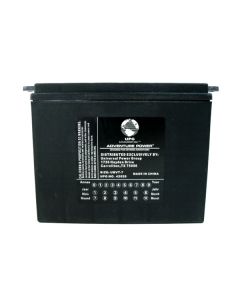
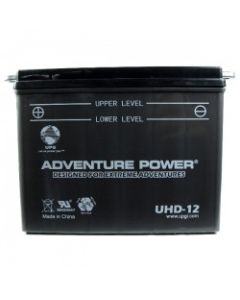


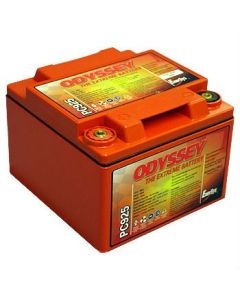


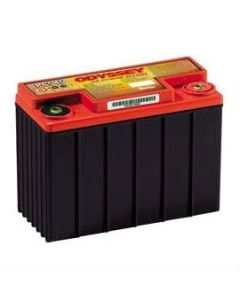
Every Harley-Davidson deserves a battery that fires up with confidence and keeps you rolling mile after mile. Whether you ride a Sportster, Softail, Touring bike, Dyna, V-Rod, or a Trike, our collection brings you both OEM replacement batteries and trusted aftermarket upgrades built to handle Harley’s legendary power demands.
With our Fitment Guarantee, you can shop by model, year, and trim knowing your new battery will be the perfect match. Each listing includes coverage details, compatibility notes, and quick-compare tools so you can easily find the right fit without second guessing.
We stock a wide range of options - from dependable AGM workhorses to modern lithium upgrades - with clear availability updates (in stock, backorder notices) and transparent shipping policies (hazmat ground-only where required). Every purchase comes backed by a manufacturer warranty (full or pro-rated depending on brand) and the peace of mind that returns, recycling, and core charges are handled the right way.
Our goal is simple: make choosing your Harley-Davidson motorcycle battery as smooth as the ride itself.
Built for the Ride: Harley Battery Types
Not all Harley-Davidson batteries are created equal - and the one you choose depends on how you ride, where you ride, and how much performance you expect. Here’s the breakdown:
AGM - The Reliable Workhorse
AGM (Absorbed Glass Mat) batteries are the most popular choice for Harley riders today. They’re sealed, maintenance-free, and built to handle the vibration and heat that come with long rides. With a standard 12V output, strong cold cranking amps (CCA), and a low self-discharge rate, AGM batteries deliver dependable starts whether it’s summer heat or a chilly morning.
Best for: Daily riders, touring bikes, and anyone who wants plug-and-play reliability.
Example Product: MotoClassic YTX20HL - a sealed AGM designed for direct Harley fitment with strong starting power.
Lithium-Ion (LiFePO4) - The Lightweight Powerhouse
If you’re chasing lighter weight, faster charging, and cutting-edge performance, Lithium-Ion (LiFePO4) batteries are the upgrade. They often weigh up to 70% less than AGM, freeing up pounds on your Harley, while packing high cranking power (HCA/PHCA) for instant ignition. Many come with a built-in Battery Management System (BMS) that protects against overcharging, short-circuits, and low-temperature starts.
Best for: Performance riders, custom builds, or those adding high-draw accessories.
Example Product: The MotoBatt MHTX30 Hybrid Lithium AGM - delivering 650 CCA and designed for high-performance Harley Touring models.
Gel - The Steady Classic
Gel batteries use a gelled electrolyte for added stability and deep-cycle durability. They’re spill-proof, vibration-resistant, and handle heat and long storage well. While less common than AGM or Lithium today, they’re still a solid choice for riders who value steady performance and don’t mind a bit more weight.
Best for: Riders who store their Harley for long periods or ride in extreme heat.
Example Product: The PowerSport B16-B Gel Replacement Battery, a dependable option for older Harley models.
Flooded/Conventional - Old School (Mention Only)
Traditional flooded batteries still exist but are rarely used for modern Harleys. They require regular water top-ups, are not spill-proof, and can’t match AGM, Lithium, or Gel for vibration resistance. We recommend upgrading to a maintenance-free sealed option for safety and convenience.
Quick Tip: No matter which chemistry you choose, always pair it with the right charger profile (AGM vs. Lithium modes) to maximize life.
Fitment by Model (Sportster, Softail, Touring, etc.)
Every Harley is unique - from the lean Sportster to the road-dominating Touring bikes - and so are the batteries they need. The right fitment ensures your battery slides in like factory, connects properly, and powers every mile without compromise.
Sportster Batteries (883, 1200, Iron & More)
Sportsters are nimble but demand dependable starting power. Most Sportster models use AGM case sizes like YTX14AHL or compatible upgrades. These come in 12V designs, compact in height and width, with left-side positive terminals for direct fit.
Example Fitment: ETX14L Power Sport Battery - built to replace Harley OE #65958-04 with direct OEM compatibility.
Softail Batteries (Heritage, Fat Boy, Slim)
Softails bring style and muscle, often requiring batteries with higher cold cranking amps (CCA) to support bigger engines. Fitments often map to YTX20HL-BS case codes with taller housings for extra power storage.
Example Fitment: YTX20HL Moto Classic AGM Battery - designed to handle larger V-twins while fitting Softail trays perfectly.
Touring Batteries (Road King, Street Glide, Electra Glide, Ultra Limited)
Touring Harleys carry more load - audio systems, heated grips, GPS, and lighting upgrades. That means a need for high-capacity, high-CCA batteries in larger case formats like YIX30L or ETX30L.
Example Fitment: ETX30L Power Sport Battery - replaces Harley OE #66010-97 with a direct drop-in.
Dyna Batteries (Wide Glide, Low Rider, Fat Bob)
Dynas are known for custom builds and strong performance. They generally call for mid-range AGM batteries like YTX20L-BS equivalents, balancing compact size with solid output.
Example Fitment: ETX20L Power Sport Battery - a reliable OEM replacement for Harley OE #65989-97B.
V-Rod Batteries
The V-Rod’s unique design and high-revving engine require batteries that deliver fast cranking power. Fitments often include specialized AGM or Lithium upgrades like YTX20HL-BS and equivalents.
Example Fitment: MotoBatt MBTX20UHD AGM Battery - engineered for performance Harleys, fitting directly into V-Rod trays.
Trike Batteries
Harley Trikes carry the most weight and electrical demand of the lineup, often using ETX30L or YIX30L form factors to ensure plenty of starting and accessory power.
Example Fitment: MotoBatt MBTX30U AGM Battery - built to handle heavy electrical loads while staying maintenance-free.
Fitment & Compatibility Notes
Exact Fit Mapping: Each Harley family aligns with specific JIS codes (YTX, YIX, ETX, etc.) for case size and polarity.
Terminal Layout: Harley models often require left-side positive posts; mismatched polarity can prevent proper installation.
Spacer Needs: Some aftermarket options include spacers or adaptors - check the listing before buying.
High-Draw Accessories: Touring and Trike models may need higher Amp-hour (Ah) and Reserve Capacity (RC) to support audio, heated grips, and lighting.
Direct OEM vs. Aftermarket: Many batteries are direct replacements, while some upgrades may require slight tray adjustments.
ABS & Special Editions: Always confirm year-specific fitment, especially on ABS-equipped bikes.
Specs & Performance (CCA, Ah, voltage, fitment size)
When it comes to Harley-Davidson batteries, the numbers aren’t just specs on a chart - they decide whether your bike fires up on a cold morning, whether your lights stay bright on a long ride, and whether your audio system keeps thumping all the way home. Here’s how the key specs break down:
Voltage: The Foundation
Nearly every Harley battery runs on 12 volts, but the difference comes in how well that power is delivered. Proper charge and float ranges keep your bike’s electrical system stable. Pairing your battery with the right charger ensures you stay in the sweet spot for maximum life.
CCA & Cranking Power
Cold Cranking Amps (CCA) measure how much punch your battery can deliver in the first few seconds of starting. Touring models with bigger engines or extra accessories often require higher CCA ratings, while smaller Sportsters can run reliably on less. Some premium batteries also list CA/MCA (Marine Cranking Amps) or PHCA (Pulse Hot Cranking Amps) for riders chasing peak ignition performance.
Example Fit: The Odyssey PC925L packs serious PHCA that makes it ideal for high-draw Harley Touring setups.
Amp Hours & Reserve Capacity
Amp Hours (Ah) tell you how long a battery can supply steady power, while Reserve Capacity (RC) measures how many minutes it can run your bike if the charging system fails. Both are crucial for riders running heaters, GPS, and full touring audio systems.
Example Fit: The ETX30L Power Sport Battery offers generous RC minutes, keeping Touring Harleys powered even under heavy load.
Fitment Size & Build
Every Harley frame has its own case size and dimension requirements. From compact YTX14L formats to oversized YIX30L and ETX30L cases, exact fit ensures easy installation and proper polarity alignment. Batteries come housed in durable ABS or polypropylene cases, built to handle vibration and heat.
Example Fit: The YIX30L Moto Classic AGM Battery is sized for Touring trays with no spacer required.
Durability & Standards
Premium batteries are tested against vibration resistance, extreme temperature ranges, and long shelf-life self-discharge rates. Many carry SAE/JIS certifications, and Lithium batteries must meet UN38.3 transport standards. Some manufacturers also hold ISO 9001 quality certifications with consistent production.
Warranty & Longevity
From full warranties to pro-rated coverage, your battery’s guarantee is more than a piece of paper - it’s a statement of expected life. With AGM and Lithium technologies, riders can expect multi-season reliability, provided the right charger is used and the bike is stored properly.
Brands Riders Trust (Yuasa, Odyssey, etc.)
When it comes to powering a Harley-Davidson, riders don’t settle for just any battery. They look for brands with proven track records, advanced technology, and reliable fitment. Each name below carries its own legacy - and each connects directly to the way Harley owners ride.
Yuasa - Harley’s OEM Standard
For decades, Yuasa has been the original equipment manufacturer for Harley-Davidson motorcycles. Known for their AGM construction and long-standing reliability, Yuasa batteries deliver consistent 12V output, high CCA ratings, and vibration resistance built to handle Harley’s V-twins.
Manufactured in plants held to ISO-certified standards, Yuasa remains the benchmark many riders measure others against. Their flagship formats, like YTX20HL-BS and YIX30L, are direct fitments for Softail and Touring families. That gives you a factory-true replacement without compromise.
Odyssey - Pure Lead Power
Odyssey takes performance a step further with its Thin Plate Pure Lead (TPPL) technology. These batteries pack exceptional pulse hot cranking amps (PHCA), giving Touring and performance Harleys the instant ignition they demand.
Built in the USA, Odyssey batteries combine deep-cycle durability with unmatched cranking strength. That makes them a favorite for riders who run high-draw accessories like audio systems, heated grips, or touring lights. Models like the PC925L are engineered specifically to handle Harley’s heaviest electrical loads while fitting into stock cases.
Deka / East Penn - American-Made Reliability
Proudly manufactured in the United States, Deka batteries by East Penn have earned a reputation for rugged dependability. Their ETX series offers sealed AGM designs that balance strong CCA performance with reliable reserve capacity (RC). That makes them ideal for both Sportster and Dyna models.
Deka emphasizes vibration testing and long service life. As a result, Harley riders can count on their bikes starting strong every season. With OEM cross-references and direct-fit case codes, Deka provides an American-made answer to Harley’s power needs.
Duracell - Everyday Power for Every Ride
A name every rider knows, Duracell brings its trusted reputation into the powersports world with a licensed line of motorcycle batteries. Built on proven AGM platforms, Duracell powersport batteries provide accessible performance at a price point many riders appreciate.
They offer maintenance-free convenience, strong starting reliability, and compatibility with popular Harley case sizes like YTX14 and YTX20HL. That’s why they are a solid choice for riders looking for dependable power without stretching the budget.
MotoBatt, Braille, and Beyond - Specialty Performance Options
Beyond the big names, brands like MotoBatt and Braille push the envelope for riders seeking something unique. MotoBatt’s quad-terminal design makes installation flexible, while their Hybrid Lithium AGM series combines light weight with strong cranking output.
Braille, known in the racing world, delivers ultra-light AGM and lithium batteries for custom Harley builds where every pound matters. These specialty brands fill the performance niche for riders who want to stand out. They offer fitments for both Touring giants and stripped-down Sportsters.
Accessories & Extras (chargers, tenders, recycling)
A great battery lasts longer and performs better when paired with the right gear. From chargers to install hardware, these extras keep your Harley ready for every ride.
Smart Chargers - Multi-stage chargers regulate current through bulk, absorption, and float stages to protect your battery. Choose models with selectable modes for AGM, Gel, and Lithium chemistries.
Battery Tenders/Maintainers - Perfect for seasonal riders, these units hold your battery at the right voltage during storage without risk of overcharging.
Lithium-Specific Chargers - Designed with chemistry-safe profiles, these ensure LiFePO4 batteries get the correct voltage curve, often with built-in temperature sensors.
Quick-Connect Leads - SAE pigtails and ring terminals make it easy to connect a tender without pulling the seat every time. Weather-capped connectors protect against moisture.
Terminal Hardware & Spacers - Replacement bolts, adaptors, and fitment shims keep installations secure and prevent polarity mistakes.
Trays, Pads & Insulators - Extra stability against vibration and heat, especially useful on Touring models with high-draw accessories.
Battery Testers & Voltmeters - Simple tools that show charge level, cranking health, or load test results so you can spot issues before they strand you.
Protective Grease & Sprays - Dielectric grease and anti-corrosion sprays extend the life of terminals by blocking moisture and road salt.
Recycling & Core Charge Programs - Return your old battery responsibly at purchase time. Core refunds and recycling locations make it easy to do the right thing without hassle.
Bundle & Save - Pairing a battery with a charger or tender often comes with discounts, with both short-term savings and long-term reliability.
Harley Davidson Battery Care: Ride Longer, Worry Less
The right battery does more than start your Harley - it shapes the way you ride. Daily commuters, long-haul tourers, seasonal riders, and custom builders all put different demands on their bikes, and your battery care habits should match your style.
Riding Styles & Power Demands
A daily commuter benefits from steady charging cycles, keeping an AGM battery healthy with regular use.
A touring rider often runs heated grips, GPS, and full audio systems, which demand high reserve capacity (RC) and strong cold cranking amps (CCA).
Seasonal riders should lean on a battery tender during storage months to avoid sulfation and self-discharge.
Custom and audio builds draw extra power from amps and accessories. That makes high-output batteries, such as Odyssey or MotoBatt hybrids, a smart choice.
Environment Matters
In cold climates, high CCA ratings ensure a quick start even on freezing mornings.
In hot weather, sealed AGM designs resist water loss and vibration damage better than conventional flooded batteries.
Riders on rough, high-vibration roads should choose rugged AGM or Gel builds with reinforced cases.
Parasitic Drain & Charging Systems
Even when parked, bikes with alarms, ECUs, GPS trackers, and amps slowly drain power. Over time, this can flatten a battery if not maintained. A healthy charging system - stator, regulator, and rectifier - ensures that your battery replenishes while you ride. If your battery seems weak, always test the charging system before replacing it.
Storage & Maintenance Habits
Before storing, give your battery a full first charge with a compatible charger (AGM or Lithium mode as required).
During long-term storage, maintain a state of charge around 12.7–13.2V by using a tender and checking every few weeks.
For short layups, disconnecting the negative cable helps prevent parasitic drain.
Always match charger output to your battery chemistry and capacity - Lithium batteries especially need proper charging curves.
Signs of Trouble
Dim headlights, slow cranks, or repeated “click but no start” moments can signal a weak battery. Swollen cases, low voltage despite charging, or fast discharge often point to replacement time - but if voltage drops during revs, it may be the charging system, not the battery.
Travel Prep Checklist
Before a road trip, pack a few essentials: an SAE quick-connect lead for charging, a compact voltmeter or tester, and if space allows, a mini lithium jump pack. These small tools can save a long haul from turning into a roadside wait.
Lifestyle Benefits of Choosing the Right Battery
Lithium batteries shave pounds off your ride for sharper handling.
High-CCA AGMs give confidence when firing up big Touring models loaded with extras.
Gel designs handle heat and long storage well for riders who don’t ride year-round.
Rider Questions, Straight Answers
Every rider has questions when it comes to Harley batteries - from picking the right size to choosing between AGM and Lithium. Here are straight answers to the ones we hear most.
What size battery does my Harley use?
Battery size depends on your Harley’s model and year - Sportsters often take YTX14AHL formats, while Touring models need larger cases like YIX30L or ETX30L. Use the fitment tool to match your bike’s exact year and trim to the right JIS code.
AGM vs. Lithium - which is better for me?
AGM batteries are rugged, maintenance-free, and perfect for daily riders and touring setups. Lithium (LiFePO4) saves weight and recharges quickly. It’s ideal for performance builds or riders in warmer climates.
Can I replace my OEM with lithium battery safely?
Yes - but only with a lithium battery that has a built-in Battery Management System (BMS) and a charger set to lithium mode. This ensures safe voltage control, cold-weather protection, and long cycle life.
How many CCAs does a Touring Harley need?
Touring Harleys with audio systems, heated grips, and lighting often require 400-600 CCA or higher. Always check your model’s specs - underpowered batteries can leave you stranded on long trips.
Why won’t my Harley start after storage?
If your bike clicks but won’t fire, the culprit is often self-discharge or parasitic drain from alarms or ECUs. A tender during off-season storage prevents sulfation and keeps voltage above 12.7V.
Do I need a special charger for lithium?
Yes, lithium batteries require chargers with LiFePO4 profiles. Using an AGM-only charger risks undercharging or damaging the cells.
What’s reserve capacity, and why does it matter?
Reserve Capacity (RC) measures how long a battery can power your Harley’s electrical system if the charging system fails. Touring riders with extra electronics benefit most from a higher RC rating.
Ready to Ride?
Find the battery fit for your Harley. Start with Find My Harley Battery or browse by model, type, or top picks. Fast shipping, hassle-free returns, and solid warranties come standard.
Need help? Call us at (866) 668-3163 or jump on live chat today.