
48 Volt Golf Cart Battery Chargers
Batteries for
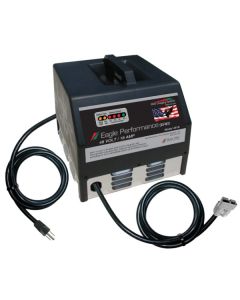
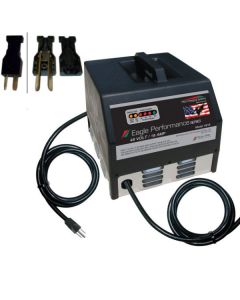

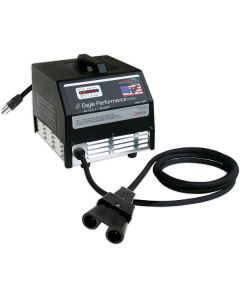
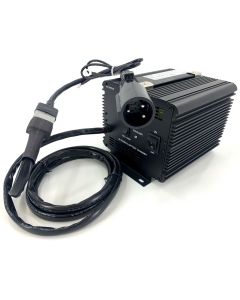
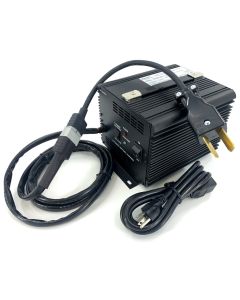
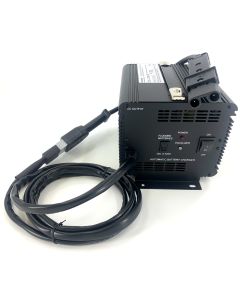
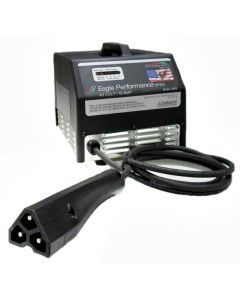
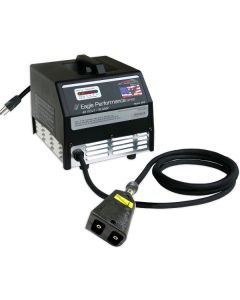
Picked the wrong charger before? It can damage your golf cart battery system or stop charging completely. Find 48 volt golf cart chargers that fit Club Car, EZGO, and Yamaha carts. Each option is matched by plug type, battery chemistry, and onboard computer compatibility for lead-acid, AGM, or lithium systems.
When Do You Need to Replace Your Golf Cart Charger?
A weak or failing charger can cost you more than just time. It can damage your batteries for good. If your charger takes longer than usual, shuts off early, or gets too hot, it’s likely near the end of its life. In some cases, your cart won’t run even after a full overnight charge.
Here are signs it’s time to replace your 48 volt golf cart charger:
Blinking red lights or no LED activity
Charger doesn’t turn on or randomly shuts off
Batteries never reach full charge
Overheating during normal use
Visible wear, frayed wires, or cracked housing
Incompatible with lithium batteries or onboard computer systems
Golf cart won’t move even after charging
Faulty chargers reduce power consistency and can lead to permanent battery damage. If you’ve recently upgraded your cart to lithium or changed the battery type, double-check that your charger matches. A proper fit protects the system and ensures every charge is clean, safe, and complete.
Don’t wait for a total failure. If any of these signs sound familiar, it’s time to get a charger that keeps up with your cart.
Match the Right Charger to Your Golf Cart Brand
Not every 48-volt golf cart charger works with every cart. Fitment depends on brand, plug shape, and computer compatibility. The right match saves time and protects your battery system from costly damage.
Here’s how to match the right 48-volt charger based on your golf cart’s make and setup:
Club Car 48V Chargers
Many Club Car models use an onboard computer (OBC), which communicates with the charger during each cycle. If your cart still uses the OBC, you’ll need a charger built to work with that system. For non-OBC setups, make sure the plug fits the round 3-pin connector and supports automatic shutoff to prevent overcharging.
EZGO 48V Chargers
EZGO carts often use a rectangular PowerWise or Delta-Q plug. The plug type varies by model. Choose a charger that fits both the plug shape and voltage profile. Some newer EZGO models run on lithium batteries, so always confirm your battery type before you make a purchase.
Yamaha 48V Chargers
Yamaha golf carts can vary by year and trim. Most use a two-pin connector, and some require specific smart-charging features. If your cart has been upgraded to AGM or lithium, be sure the charger supports that chemistry.
Cushman, Star EV, and Others
Many lesser-known carts use crowfoot-style connectors. These plug types are common and reliable, but voltage and chemistry still play a role. Always match the output to your battery system and confirm the plug fits cleanly into your charge port.
Some setups may also need a new plug or connector, like a crowfoot, RXV, or SB-style adapter. You’ll find the right accessories listed below if your charger needs a quick swap to fit your cart.
Important Specs to Know Before You Buy
The right 48-volt golf cart charger doesn’t require a tech background to understand. Just focus on the four key specs that matter most. Here’s what to check before making a decision.
Amperage Rating
Most golf cart chargers fall into three common output levels: 13 amp, 18 amp, and 25 amp. A 13-amp charger is great for slow, overnight charging.
An 18-amp model works well for daily use and charges faster without overheating. A 25-amp charger gives fast top-offs and is ideal for large battery packs or carts that are often used.
Plug Type
Your cart’s charge port determines the plug head you need. Common options include crowfoot, SB50, SB175, and RXV three-pin connectors. Some chargers may need a plug swap to match your setup, especially on older carts or custom builds.
Charger Type: Manual or Smart
Manual chargers require you to shut them off. Leaving them on too long can overcharge and harm your batteries. Smart chargers detect when the battery is full and shut off automatically. Look for features like float mode and auto shutoff to keep your battery healthy and charged safely.
Onboard Computer (OBC) Compatibility
Some golf carts, especially older Club Car models, include an onboard computer that controls charging. If your cart has an OBC, choose a charger that’s designed to communicate with it. Without that compatibility, the charger may fail to activate or stop mid-cycle.
Top 48V Charger Brands We Carry
Only the most trusted 48V charger brands make it into our lineup. Each one is built for long life, clean power, and a perfect fit. You’ll only find proven names here. These chargers are trusted by cart owners, golf courses, and fleet operators who rely on consistent charging every day.
Dual Pro: Built in the USA with precision. Delivers reliable charge cycles with advanced safety and auto shutoff features.
Schauer: Known for power consistency and long-term durability. Great choice for both AGM and flooded lead-acid systems.
DPI: Designed for smart charging with float mode and reverse polarity protection. Compatible with most 48V setups.
Yamaha OEM: Perfect match for Yamaha carts. Factory-spec performance, stable output, and seamless connector fit.
EZGO OEM: Engineered for EZGO Delta Q or PowerWise systems. Protects electronics with safe voltage alignment.
Crowfoot: Classic connector style used on many older carts. Easy plug-in and dependable on standard 48V setups.
Club Car PowerDrive: Built to pair with carts that use onboard computers (OBC). Supports safe and full-charge cycles.
Star Car (Star EV): Compatible designs with plug heads tailored for Star EV models. Ready for daily fleet use.
Charger Accessories and Add-Ons
Some golf carts need a different plug, connector, or add-on to charge safely. This section includes 48V accessories like SB plugs, RXV adapters, battery maintainers, and desulfators. Use them to fix damaged ports, match older carts, or support custom setups.
These parts help keep your charging system working right without replacing the entire unit.
SB50, SB175, and SB350 Grey Connectors: Designed for heavy-duty setups and custom wiring. These fit carts with SB-style ports used in high-output systems.
RXV 3-Pin and Crowfoot Adapters: Swap broken connectors or convert your charger to match EZGO, Yamaha, or Club Car RXV carts with triangular ports.
Eyelet, Ring Terminal, and Red-to-Grey Converters: Ideal for non-standard charge ports, DIY wiring setups, or off-board battery banks.
48V Battery Maintainers (Schauer 3A): Perfect for carts that sit between uses. Maintains a healthy battery with slow, steady charging to prevent sulfation.
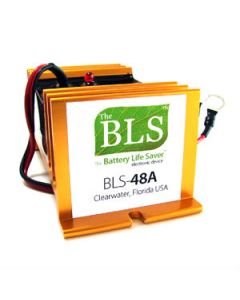
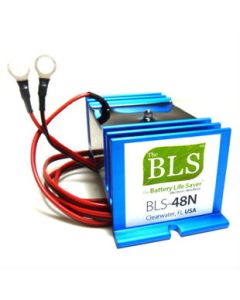
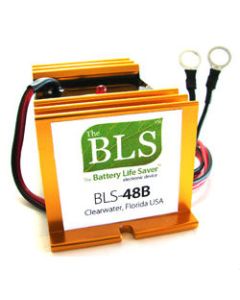
BLS 48V Battery Life Savers (Desulfators): Help bring old batteries back to life. These plug-in tools reverse sulfation and extend the lifespan of lead-acid packs.
Choose a Charger Based on How You Drive
Each battery type charges differently. If your charger doesn’t match, you risk shorter runtime, overheating, or early battery failure. When you choose the proper charger, you protect performance, safety, and your battery’s lifespan.
Battery Type Comparison
| Battery Type | Best Charger Type | Features to Look For | Charger Mismatch Risks |
| Lithium | Smart Charger | Auto shutoff, float mode, high output amps | Overcharging, thermal damage, and fire risk |
| AGM | Smart or Manual | Steady voltage, temp sensing, gentle cycle | Power fade, shortened battery life |
| Lead-Acid | Manual or Basic Smart | Timed shutoff, slow charge rate, low heat | Sulfation, plate damage, and incomplete charging |
Lithium chargers deliver precise voltage to match the battery’s needs. They prevent dangerous overcharging, protect the battery management system (BMS), and help extend the overall cycle life.
For carts with AGM batteries, the right charger provides balanced current flow and controlled recharge times. That balanced charging process helps avoid plate stress and supports carts used daily or left in storage for extended periods.
If your cart still runs lead-acid batteries, a slower charger with basic timing features works best. It reduces sulfation buildup and helps lower long-term maintenance needs.
Installation Tips and Safe Charging Practices
You don’t need a technician to set up your golf cart charger the right way. A few smart habits can protect your batteries, prevent overheating, and keep your charger running strong for years. Here’s a quick list to follow every time you charge.
Check that the plug fits snugly into your cart’s charge port
Confirm the charger matches your battery type and voltage
Use a grounded outlet or surge protector for safety
Keep the charger dry, cool, and off the ground
Watch the indicator lights to confirm proper charging
Let the charger rest between back-to-back uses
Disconnect after full charge to avoid stress on the system
Store the charger indoors when not in use
Why Buy Your 48V Charger from Impact Battery
The right 48V charger must match more than the plug. It also needs to support your battery system. That includes the voltage profile, battery chemistry, and onboard charging logic your golf cart relies on. The wrong charger often leads to weak starts, shorter run times, or long-term battery damage.
Impact Battery helps shoppers avoid trial and error. You get verified fitment support, so the charger you choose works exactly as it should. Our team checks brand compatibility, voltage match, and onboard logic before you place the order.
Every charger in stock ships fast from our U.S. warehouse and includes clear product details, warranty information, and return support. If problems ever come up, you won’t get passed around. We’ll help you solve it directly.
Trusted by cart owners, fleet managers, and golf course techs, Impact Battery focuses on safety, performance, and service that keeps carts moving. That’s the difference you’ll feel after one charge.
Frequently Asked Questions
Still unsure which 48V charger fits your cart best? These quick answers solve the top issues golf cart owners run into when choosing the right fit.
Can I use any 48V charger on my golf cart?
No, not every 48V charger fits every cart. You need one that matches your plug type, battery chemistry, and onboard system. Using the wrong charger risks damaging the batteries or causing charging errors over time.
What’s the difference between 36V and 48V chargers?
A 36V charger delivers less power and won’t fully charge a 48V system. A 48V charger pushes more current, which could damage a 36V battery. Always match the voltage exactly to avoid safety or performance problems.
How do I know if my golf cart uses an onboard computer (OBC)?
Club Car carts made before 2014 often include an OBC. If your charger doesn’t turn on when plugged in or shuts off early, it may rely on the OBC. Check your manual or ask for fitment help.
Are these chargers compatible with lithium batteries?
Only chargers marked for lithium are safe to use. Lithium batteries require different voltage profiles and shutoff controls. Using a lead-acid charger on lithium may cause overheating, performance loss, or trigger a battery safety shutdown.
How long does it take to charge a 48V golf cart battery?
It depends on your charger’s amperage. Most 15–18 amp chargers take 4–6 hours from low voltage. Larger chargers may be faster, but using the correct charge rate helps protect battery life and internal components.
Can I replace just the charger plug instead of buying a whole new unit?
Yes, many 48V charger plug heads can be swapped using compatible SB or RXV connectors. This is a cost-effective option for damaged plugs or upgraded carts.
Not Sure Which 48V Charger Fits Your Cart?
Call (866) 668-3163 and speak with a real charger fitment expert. Just share your golf cart brand, model year, and plug shape. We’ll help you find the exact charger that fits. Our U.S.-based team answers these questions daily, and most calls take just minutes.