How Do Solar Power Systems Work
[caption id="attachment_1772" align="alignleft" width="150"]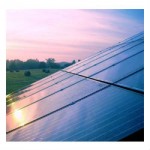 Solar power system[/caption]
Solar cells are almost like magic. These inert devices, with no moving parts, are able to convert simple sunshine into electrical power. Although the novelty of solar power systems makes them seem complicated, in reality they are quite simple.
Parts of a Solar Power System
A complete solar power system consists of a few parts. A simple system usually contains one or more solar panels, an inverter and a mounting system. The solar panels capture the energy of the sun and are built from a carefully engineered sandwich of semiconductors. The inverter is needed to convert the DC power of the solar panels into AC power usable by common household appliances. Some systems also include a battery bank and a charging system for the batteries; these systems are designed to be self-sufficient and may also include a small gasoline-based generator as a final back-up
Converting Solar Power Into Usable Power
When sunlight strikes a solar cell, it excites the molecules in the panel. These excited molecules release some of their electrons, which begin to move through the circuits of the panel. However, because of the layering of semiconductors, the electrons are all forced to move in the same direction. This creates a current within the solar cell, which is captured and directed through the wiring of the solar panel towards the solar panel's output.
To better understand this process, imagine the solar cells as a mountain range with a river running through it. The sunshine is like rain falling on the mountains. As the rain strikes the mountains, some of it is absorbed by the dirt and plants covering the mountains, but some continues to roll down the mountains. The layers of semiconductors, which control the flow of electrons, are like the slopes of the mountains, guiding the rainfall towards the river cutting through the mountain range. The river is the electrical current created by the solar array.
However, this electricity is all in the form of DC power. Although some devices, such as battery chargers, can use DC power, most electrical appliances require AC power. Many solar systems route the output of the solar array through an inverter, which converts the solar system's DC power into usable AC power.
Storing Peak Energy
One major problem with solar panels is that they can only produce electricity while the sun is shining. However, most homeowners want to use their electrical appliances after the sun has set. Additionally, many solar panels produce far more electricity than their owners require at certain times of the day.
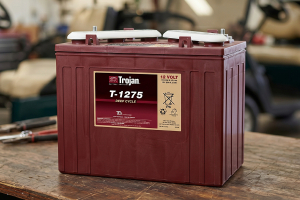
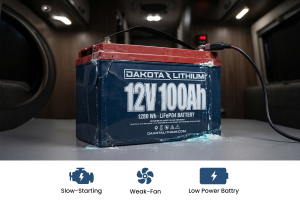
To solve this problem, many solar systems include a battery system to store excess energy created during peak hours. These systems consist of several deep cycle batteries wired in series. Golf cart batteries are often used for these systems; these batteries can be recharged relatively rapidly and can discharge consistent amounts of power for hours on end. When combined with a high-quality charging system, these battery banks can provide nighttime power for years before needing replacement.