Monthly Archives: September 2012
-
- September 26, 2012
A Shift in Thinking
It is hard to believe it has been one year since the Occupy Wall Street campaign began. The Occupy Wall Street movement of 2011-2012 made headlines and on many facets divided a nation. This division most notably concerned the idea of the minority that have actual monetary wealth and perceived power compared to the majority, which on the surface, do not; the impoverished 99% vs. the high rolling 1%. Frankly it was disgusting to watch a large portion of our nation embrace the idea that hard work, ingenuity, sacrifice, learned failure and creativity are not worthwhile achievements. It saddened me to discover, as major news agencies reported, that nearly half the nation feels they are owed something by our government and those that earn a higher wage than they do.
Work: a Four Letter Word
Why is it, those that have worked hard to become successful (by worldly standards) are vilified? What has changed in our society that we curse those people that have persevered and achieved
-
- September 25, 2012
Although a utility task vehicle (UTV) and an all-terrain vehicle (ATV) have similar characteristics, they are two distinct vehicles that are designed to perform different tasks. Both vehicles can operate in rough, off-road terrain and are usually powered by internal combustion engines. Some manufacturers also produce vehicles with electric motors that are powered by batteries. UTVs and ATVs are equipped with suspension systems and tires that are designed to go off road. The center of gravity in these vehicles is close to the ground to prevent rollovers in uneven terrain.
Different Laws Regarding Use on Roadways
The laws regarding the use of these vehicles will vary based upon their configurations. UTVs are more likely to operate on roadways than ATVs. Automakers manufacture UTVs with signal lights and safety equipment that are required to make the vehicle street legal. Most ATVs require aftermarket modifications in order to operate legally on roadways. Some jurisdictions prohibit people
-
- September 25, 2012
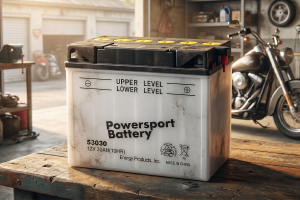
Dirt bikes are responsive lightweight motorcycles that are designed to handle off-road conditions. Some bikes have gas engines that require a battery to start the engine, while others are completely battery powered. Dirt bike batteries are durable devices that can provide many years of reliable service with proper maintenance and care. Over time, batteries will lose their ability to take or maintain a charge. The following steps will help you change your battery when it reaches the end of its serviceable life.
Locating the Battery
Park your bike on a flat surface, and turn off the ignition. Ensure that there are no open flames or flammable liquids in the area. Protective eyewear, gloves and clothing will help you avoid contact with the battery acid. The battery compartment of gas engine dirt bikes are usually mounted beneath the seat. If your battery is located in this position, you will need to remove the seat in order to access the compartment. Electric dirt bikes normally have battery
-
- September 23, 2012
Since the introduction of lead acid batteries in 1859, scientists have sought ways to perfect the device. They later discovered that these types of batteries were rechargeable. Manufacturers eventually developed other types of rechargeable batteries. Although these batteries are more cost-effective than single-use batteries, rechargeable models eventually lose their ability to power devices. Another issue is the ever-increasing energy demand of battery-powered consumer products.
Battery Technology of the Future
Scientists are creating a new generation of high-tech batteries to meet the increasing demand for power. They are also expanding the life of batteries by increasing their maximum number of charging cycles. The U.S. military is developing a rechargeable lithium-ion battery that can be incorporated into the clothing that soldiers wear. Northwestern University researchers have developed an electrical conductor that enables lithium-ion batteries to charge faster and retain the charge
-
- September 19, 2012
Each year, Americans spend billions of dollars on batteries for toys, cordless phones, alarm clocks and other household items. Studies indicate that the average American discards approximately eight batteries annually. These tips will help you get the most from your household batteries.
Use Rechargeable Batteries
Although it will cost a little more to purchase rechargeable household batteries, you will save money because they last much longer than single-use models. You can recharge Nickel Metal Hydride (NiMH) batteries thousands of times before they fail. The most important thing to remember about these batteries is to practice proper charging techniques. A smart charger will protect your battery from damage that can occur from overcharging. If you allow the battery to drain completely or do not recharge it on a regular basis, it will not last as long as it should. Ensure that you fully charge your batteries prior to using them for the first time. If you interrupt charging cycles
-
- September 18, 2012
The batteries that power your MP3 player are designed to provide a specific amount of audio playback time. This number is based upon optimal playing conditions. The amount of electricity that your device uses will determine how long your battery will last. Your MP3 has features and functions that you can readjust or refrain from using that will reduce the demand on the battery. If you make these adjustments, you can get the most from your MP3 batteries.
Backlight Management
The first item that you should adjust is the backlight. Brighter lights require more battery power than dim lights. You can conserve battery power by lowering the brightness. Another option is to set the backlight timer so that it goes off sooner. Decreasing the time that your light is on will reduce energy consumption. If possible, turn your backlight off during the day. You can turn it back on during low-light conditions. If you are familiar with the controls on your player, you may not need to use the backlight.
-
- September 17, 2012
Industrial equipment, such as forklifts and floor sweepers, place an extreme demand on batteries. Consumer batteries have high energy density, but they typically have relatively short life spans. Industrial batteries are uniquely designed to provide the durability, reliability, and long-lasting power that is required in an industrial setting.
What is an Industrial Battery?
Industrial batteries are also known as traction and forklift batteries. The battery can be drained down to 20 percent of the full charge capacity prior to a recharge. In order to accomplish this discharge and recharge cycle on a regular basis, industrial batteries have thicker internal plates than batteries used for automotive applications. Although these plates are thicker, they eventually suffer from positive grid erosion as the plate degrades due to the electrochemical process. Batteries with thicker plates last longer but will eventually reach the end of their serviceable life. Batteries also lose their charge capacity
-
- September 12, 2012
Motorboat batteries require proper care and maintenance in order to provide optimal performance. The first step is to ensure that your boat is equipped with marine batteries. Automotive batteries are not designed to withstand the vibrations and jarring that occurs on the water.
If you have a dual battery system, verify that you have a deep cycle battery and a regular battery. The deep cycle battery is designed to run your onboard electronics and motor. The regular or cranking amp battery provides the short-term power that is required to start your engines. It does not have the capacity to provide continuous power. If you have a single battery system, ensure that your deep cycle battery is properly charged so that it can provide the energy required to start your main engines. Selecting the wrong battery for an application will cause the device to fail prematurely.
How to Maintain Motorboat Batteries
It is better to store your batteries in a warm dry location during cold weather. You should
-
- September 12, 2012
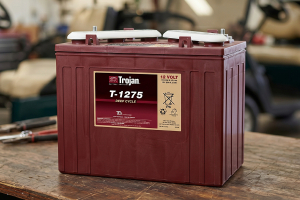
Golf carts are common fixtures on golf courses, in retirement communities, and upscale subdivisions. Whether you use your golf cart to navigate the course or to run errands in your neighborhood, you need your vehicle to deliver optimal performance. These tips will help you obtain the most from your golf cart batteries.
Maintaining the Batteries
You should establish a regular inspection schedule. This will enable you to detect and correct issues that can lead to major problems. Check your battery clamps for fraying and corrosion. These defects will prevent power from reaching your golf cart motor. When you replace your batteries, you should also replace your cables.
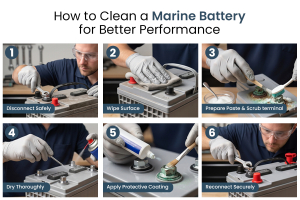
If you find battery corrosion, you can remove the residue with a homemade baking soda and water solution or a commercial product. Remember to take sufficient safety precautions to safeguard your skin and eyes from the battery acid. You should also take measures to prevent the acid from contacting your driveway or garage.
-
- September 10, 2012
If you have limited mobility, a battery-powered scooter enables you to enjoy freedom and autonomous movement. You can get the most from your scooter if you take proper care of your scooter batteries. These tips will help your battery perform as designed and last as long as possible.
Keep the Batteries Fully Charged
One of the most important ways to preserve your scooter battery is to ensure that you recharge it on a regular basis. A battery can lose its charge whether or not you use your scooter. Winter months are especially problematic because the cold temperatures quickly discharge the batteries, and most people inspect their batteries less frequently. You should recharge your scooter batteries once a day after using the vehicle. If you use your scooter infrequently, you should recharge the battery at least two times each week.Mobility scooters operate on deep-cycle batteries. This particular type of battery can lose its ability to take and hold a charge if you leave it discharged