
How to Clean Corrosion Off Battery Terminals in Toys: A Complete Guide
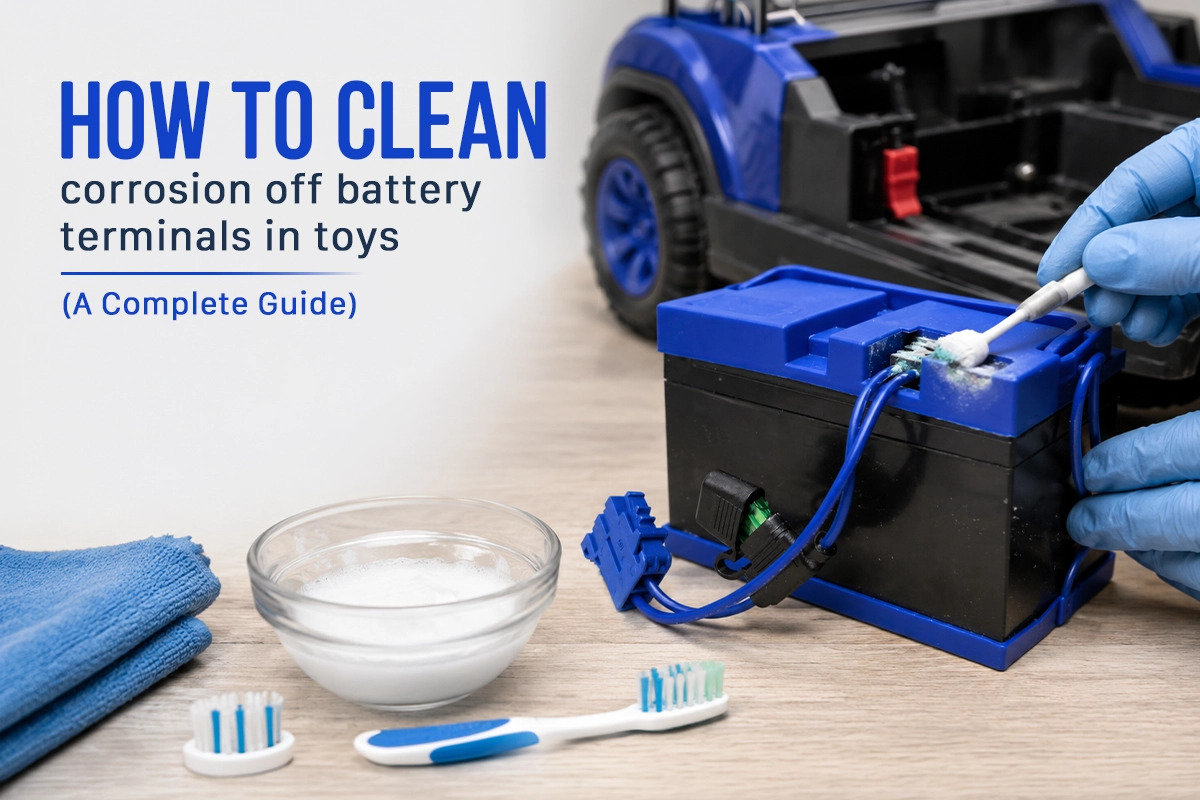
A favorite toy sits silent, and the batteries look strange. You slide the cover open and find a white crusty mess. That gunk is battery corrosion, and it blocks the power your toy needs.
Parents across the USA face this the moment a beloved toy dies. The good news is the fix is simple and cheap. Most toys come back to life with items already in your kitchen.
This guide shows you how to clean corrosion off battery terminals in toys step by step. You will learn the causes, the tools, and the safe cleaning method. You will also learn how to stop toy battery corrosion from coming back.
What Is Battery Corrosion?
Battery corrosion is the crusty buildup that forms when chemicals leak out of a battery. The leak reacts with air and leaves a white or blue residue. This residue coats the battery terminals and blocks the flow of power.
Most toys run on an alkaline battery, which holds a base chemical inside. A base is the opposite of an acid on the pH scale. When the seal breaks, that base leaks out as battery acid and dries into a crust.
The white crust has a chemical name worth knowing. It is mostly potassium hydroxide and potassium carbonate, two salts from the leak. These salts feel slippery and can irritate your skin.
That buildup is the reason a toy loses power. The crust sits between the battery and the metal contact. Knowing why the leak happens helps you stop it next time.
What Causes Battery Corrosion in Toys?
Battery corrosion in toys happens when a battery leaks its chemicals over time. The leak starts when the metal seal inside the battery wears down. Age, heat, and long storage all speed up that process.
A few habits make the leak far more likely.
Dead batteries left inside a toy keep draining and leaking the most.
Heat from a hot car or attic pushes a battery to vent.
Mixed old and new batteries drain at different rates and leak.
Cheap or expired batteries have weaker seals that fail early.
Corroded batteries rarely recover once the crust forms. The buildup grows until the toy stops working for good. Different toys and battery sizes fail in similar ways.
Types of Toys and Batteries That Corrode
Almost any battery-powered toy can suffer from a leak. Electronic toys, remote control toys, learning toys, and talking toys all sit at risk. Even plush toys with battery packs hide a toy battery compartment that can corrode.
The battery type inside the toy shapes the kind of leak. The table below breaks down the common ones.
Battery Type | Where It Is Used | Corrosion Sign |
AA batteries | Remotes, cars, learning toys | White crust on contacts |
AAA batteries | Small talking toys, wands | White powder near springs |
C batteries | Musical and ride-on toys | Crust on the tray walls |
D batteries | Large trucks, keyboards | Heavy buildup on terminals |
9V batteries | Alarms, smoke toys, robots | Green or white top residue |
AA batteries and AAA batteries power most small toys, so they leak the most. C batteries and D batteries sit in larger toys with bigger trays. A 9V battery shows a leak on the snap connector at the top.
Each size leaves the same alkaline residue behind. AA battery corrosion and AAA battery corrosion look almost the same. The cleaning method stays the same across every size and toy.
Is Battery Corrosion Dangerous to Touch?
Yes, battery corrosion can irritate or burn your skin and eyes. The white crust holds leftover alkaline chemicals from the leak. Direct contact can cause stinging, redness, or minor burns.
The risk grows with a child nearby. A curious child may touch the crust or put it near the mouth. That is why gloves and quick cleanup matter so much.
The residue also harms the toy itself. Leaking batteries eat through metal springs and contacts over time. Fast action saves both the toy and your hands.
Tools and Supplies You Need Before Cleaning
The right tools make this a ten-minute job. Most of them already sit in your kitchen or bathroom. Gather everything before you open the toy.
Here is the full supply list:
Disposable gloves and safety goggles for battery safety.
A small screwdriver to open the battery compartment.
White vinegar or lemon juice to neutralize the crust.
Cotton swabs and an old toothbrush for scrubbing.
Baking soda for a paste on heavy buildup.
Isopropyl alcohol at 90% or higher to dry the contacts.
A dry lint-free cloth and a sealable plastic bag
White vinegar works best on an alkaline leak because it is a mild acid. Lemon juice does the same job with the same fizzing reaction. That fizz is the acid breaking down the alkaline crust.
A plastic or wooden pick helps with stuck batteries. Metal tools raise the risk of a short, so they stay away. With your kit ready, the cleaning can begin.
How to Clean Corrosion Off Battery Terminals in Toys Step by Step
This is the full method to clean corroded battery terminals in any toy. Seven steps take you from a dead toy to a working one. Move slowly and let each step finish before the next.
Step 1: Put On Safety Gear
Safety comes before you touch the crust. Gloves and goggles guard your skin and eyes from the residue. A well-aired room keeps any fumes away from you and the child.
You spread a paper towel across your work surface, too. This catches loose flakes and protects the table. A clean space makes the whole job faster.
Step 2: Remove the Batteries
The batteries come out before any cleaning starts. A small screwdriver opens the battery cover on most toys. A plastic pick helps lift a battery that sits stuck in place.
You avoid letting any crust fall into the toy's interior. Loose powder near the circuits can cause more damage. Each battery goes straight into a sealed plastic bag.
Step 3: Brush Away Loose Powder
A dry toothbrush knocks off the loose white battery powder first. You brush over a trash can so the flakes fall away. Never blow on the powder, since that spreads it into the air.
This dry step clears the surface for the wet clean. Less loose crust means the vinegar works faster. A dry cotton swab wipes any powder from tight corners.
Step 4: Apply Vinegar or Lemon Juice
A cotton swab dipped in white vinegar goes onto the crust. You dab the battery contacts and the terminal spring with the acid. A light fizz shows the vinegar breaking down the residue.
Heavy buildup needs a minute to soften before you scrub. You reapply the vinegar until the fizzing stops. This vinegar cotton swab method clears most alkaline leaks.
Step 5: Scrub the Corroded Terminals
An old toothbrush scrubs the softened crust off the metal. You work gently on the battery terminal spring so it keeps its shape. A wooden pick lifts crust from the tight corners.
Stubborn buildup calls for a baking soda paste. You mix a spoonful of baking soda with a few drops of water. The mild paste scrubs away caked-on battery residue with ease.
Step 6: Rinse and Dry the Contacts
A swab with a little water wipes away the leftover paste. You keep the water off the toy's circuits and wiring. Too much liquid inside the toy causes fresh damage.
Then a swab of isopropyl alcohol dries the contacts fast. Alcohol pushes out moisture and speeds the drying. A dry cloth finishes the battery compartment before the next step.
Step 7: Let It Dry and Test
The toy needs full air drying before new batteries go in. Ten to thirty minutes of open-air drying works well. Damp contacts can trigger new corrosion right away.
Fresh batteries go in once the compartment is bone dry. You match the battery polarity marks so the toy powers on. A quick test tells you if the corrosion removal worked.
When to Replace a Toy Battery Instead of Cleaning
Some toys pass the point of a simple clean. Heavy corrosion that eats through the metal springs needs new parts. A contact with no spring tension left will not hold a charge.
You also weigh the damage inside the toy. Crust that reaches the circuit board often means the end. A cracked or pitted contact rarely carries steady current again.
Fresh batteries fix many of these tired toys. Many parents look for long-lasting toy batteries that resist leaks and last through heavy play. A quality battery lowers the odds of another messy leak.
Ride-on toys need a different kind of power. A worn 12-volt pack in a Power Wheels car needs a full swap. The right 12V Power Wheels battery brings a ride-on toy back to full speed.
Best Practices for Safe Battery Cleaning
A few habits make safe battery cleaning simple and quick. These tips protect you, the child, and the toy. They apply to every toy and battery size.
Gloves and goggles stay on through the whole job.
Metal tools stay away from the contacts to avoid a short.
Only a mild acid like vinegar touches an alkaline leak.
The toy dries all the way before new batteries go in.
New and old batteries never mix in the same toy.
Mixing a new battery with an old one causes fast leaks. The weaker cell drains and vents its chemicals early. Matching fresh batteries as a set keeps the toy safe.
A clean, dry battery compartment holds a charge better. Small checks every few months catch a leak early. These habits lead to the mistakes you want to avoid.
Common Battery Cleaning Mistakes to Avoid
Most cleaning problems come from a short list of errors. Knowing them ahead of time saves the toy and your skin. Here are the slips parents make most often.
Cleaning a leak with bare hands and no eye protection.
Blowing on the crust, which spreads the powder around.
Using a metal tool that scratches or shorts the contacts.
Pouring water into the toy and soaking the circuits.
Adding new batteries before the compartment fully dries.
Leaving dead batteries inside a toy for months.
Another common error skips the drying step. Damp contacts invite fresh battery leakage within days. A full dry time protects all your hard work.
Some parents also toss the old batteries in the trash. Leaking batteries belong at a recycling drop-off instead. Safe disposal keeps the chemicals out of the landfill.
How to Prevent Battery Corrosion in Toys
You prevent battery corrosion in toys by removing batteries before long storage. A toy left unused for a month should sit empty. This one habit stops most leaks before they start.
Fresh, matched batteries lower the risk even more. You replace all the cells at once, never one at a time. Quality batteries hold their seal longer than cheap ones.
A quick check every few months catches trouble early. You look for any crust or a swollen battery. Early corrosion removal saves the toy from lasting harm.
Storage also plays a big role in leaks. A cool, dry shelf beats a hot garage or car. Heat pushes a battery to vent and leak faster.
Frequently Asked Questions (FAQs)
Many toy failures start with batteries left inside too long. Leaking batteries can damage metal contacts and stop power flow. Fast cleanup may save the toy from permanent damage. These answers cover common questions parents ask in the USA.
What is the white stuff on toy batteries?
The white stuff is dried residue from a leaking alkaline battery. It forms when potassium hydroxide escapes and reacts with the air. Avoid touching the residue with bare skin.
Can I clean battery corrosion with vinegar?
Yes, white vinegar can help clean an alkaline battery leak. Its mild acid helps break down and neutralize the alkaline residue. Apply a small amount with a cotton swab and wipe the area clean.
Is battery corrosion in toys dangerous for kids?
Yes, battery residue can irritate or burn skin and eyes. Keep children away from the toy during the cleanup process. Wear gloves and wash your hands after handling the damaged batteries.
Will a toy work again after cleaning corrosion?
Many toys work again after you clean and dry the battery contacts. The cleanup restores power flow when the metal contacts remain intact. Springs or terminals with severe damage may need replacement.
Can I use baking soda instead of vinegar?
Baking soda can help scrub away stubborn dried buildup. However, vinegar works better for neutralizing residue from alkaline batteries. Remove all cleaners and let the battery compartment dry before testing the toy.
How do I stop toy batteries from leaking again?
Remove batteries when storing a toy for several months. Keep the toy in a cool and dry place. Always use fresh batteries of the same brand and type.
Are leaking AA batteries safe to keep?
No, you should not reuse or store leaking AA batteries. Place each damaged battery in a separate plastic bag or container. Follow local rules for household battery recycling or disposal.
Restore Your Toys and Keep Them Running
A crusty leak looks scary, but the fix stays simple and fast. The right tools and a little care bring most toys back to life. A ten-minute clean saves money and a favorite toy.
This guide showed you how to clean corrosion off battery terminals in toys with ease. You learned the causes, the safe steps, and the way to prevent it. Fresh power and good storage keep playtime going strong.
Impact Battery carries reliable toy and ride-on batteries for families across the USA. Our team helps you match the right battery to any toy on the first try. From AA cells to a full ride-on pack, the correct power ships fast.


