How to Winterize a Boat
At the end of the boating season, you must prepare your watercraft for winter storage. This guide will help you winterize a boat and protect your investment from the elements so it will be ready the next time that you are on the water.. While winterization instructions can differ based upon a vessel’s engine, these tips apply to most watercraft. Prepare a checklist and mark off each item as you complete each step.
Winterizing the Fuel System and Engine
Fill the fuel tank close to its capacity. There should be enough space for the fuel to expand. Add gas stabilizer, and run your engine for about five minutes to distribute the product throughout the fuel system. The stabilizer prevents rust, corrosion and oxidation that can degrade fuel, especially while a boat is in storage. Replace the water separator and fuel filter. Seal any exhaust ports.
“Fogging” protects your engine when it is idle for extended periods. Remove the flame arrestor while the engine is running, and spray two-cycle engine oil into the carburetor. Turn the fuel supply off so the engine will use the excess petroleum in the line. Remove the wires from the spark plugs. Drain the engine coolant, and replenish the system with antifreeze recommended by your particular manufacturer. If your watercraft has an inboard/outdrive motor, flush and replace the gear oil from the lower unit gearcase. Lubricate any external fittings.
Preparing the Hull
Inspect the hub and propeller for excessive wear, dents, bowed blades or other signs of damage. Replace parts as necessary, and repair any hull damage. If your watercraft has a toilet and galley, flush the toilet and pump out the holding tank. Drain the fresh water tank, and add non-toxic antifreeze. Thoroughly clean the boat, and properly stow any gear and equipment. Use a protectant on vinyl seat coverings, and have your fire extinguishers professionally inspected.
Maintaining the Electrical System and Batteries
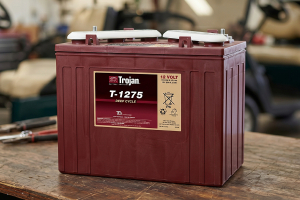
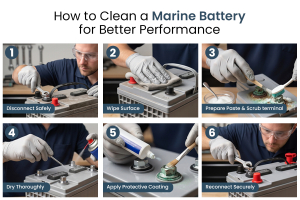
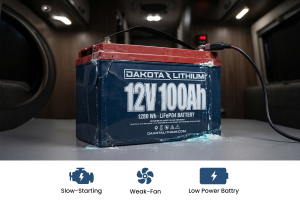
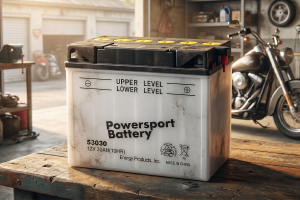
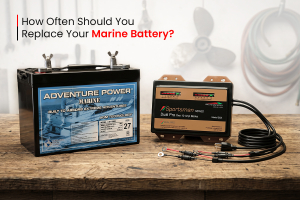
Spray a moisture-displacing lubricant on the contact points of light bulbs and power sockets. Wrap the plugs with tape to keep moisture out. Ensure that your batteries are fully charged before you disconnect the devices. If you have a small watercraft, you can remove and store your batteries in a dry, climate-controlled environment. Avoid storing the batteries near open flames or combustible materials. Verify that the cells have sufficient water, and add distilled water if necessary. Test your batteries, and charge the devices at least once each month.
Storing the Boat
Cover your vessel with a secure waterproof canvas even if it is in a climate-controlled environment. This will protect it from dust and insects. It may be necessary to vent the cover to reduce moisture and condensation. Store the vessel stern down so that water drains out the scuppers. Leave the vessel’s seacocks and drains open. If the watercraft is stored on a trailer, ensure that the full weight of the vessel is not on the tires, and provide additional support for the vehicle. Properly dispose of used petroleum, coolants, oils and lubricants.