
RediPulse Pro-12 : Best Battery Maintenance System - Pulse Talk September 2015
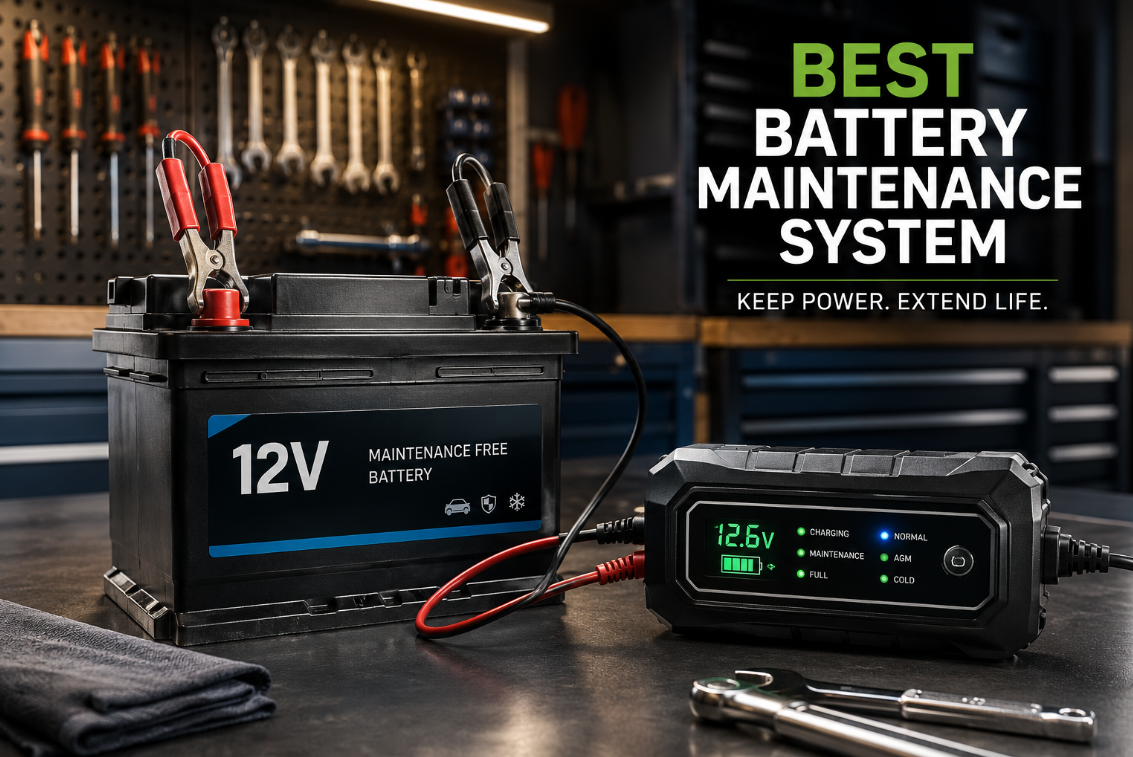
The best battery maintenance system is a smart charging and monitoring device that keeps a battery fully charged, prevents overcharging, reduces sulfation, and helps extend battery life during storage or low-use periods. It is especially useful for cars, boats, RVs, motorcycles, lawn mowers, deep cycle batteries, and seasonal equipment.
A battery can lose charge even when it is not being used. This is called self-discharge. Vehicles and equipment with electronics, alarms, clocks, sensors, or control modules may drain the battery even faster. If a battery sits too long without proper charging, it can become weak, sulfated, or permanently damaged.
A good battery maintenance system solves this problem by automatically checking the battery’s condition and supplying the right amount of charge when needed. Unlike a basic charger, it does not keep pushing power continuously. Instead, it switches to maintenance or float mode once the battery is full.
What Is a Battery Maintenance System?
A battery maintenance system is a device designed to keep a battery healthy when it is not being used regularly. It monitors battery voltage, charges the battery when needed, and maintains a safe charge level over time. This makes it different from a simple battery charger that only adds power.
The main purpose of a battery maintenance system is long-term battery protection. It helps prevent common problems such as battery drain, overcharging, undercharging, sulfation, and slow engine starts. For people who store vehicles, boats, motorcycles, RVs, or backup batteries, this system can save money and prevent frustration.
A regular battery charger is usually used when a battery is low or dead. A battery maintenance system is used to keep a battery ready before it becomes a problem. Many modern systems work as both chargers and maintainers, making them more useful for home garages, workshops, and marine storage.
How Does a Battery Maintenance System Work?
A battery maintenance system works by reading the battery’s voltage and condition before sending power. Once connected, the system checks whether the battery needs charging, maintenance, recovery, or no action. This smart detection helps avoid unnecessary charging.
Most quality systems use multi-stage charging. This usually includes bulk charging, absorption charging, and float charging. Bulk charging restores most of the battery’s power. Absorption charging safely finishes the charge. Float mode then maintains the battery at a safe level without overcharging it.
Some battery maintenance systems also include desulfation or battery conditioning. Sulfation happens when lead sulfate crystals build up on battery plates, especially when lead-acid batteries sit discharged for too long. A desulfation mode may help reduce mild sulfation, but it cannot repair a battery that is already badly damaged or worn out.
Safety protection is another major part of how these systems work. A good system should include reverse polarity protection, short-circuit protection, spark-proof connection, overcharge protection, and automatic shut-off. These features make the device safer for beginners and better for long-term use.
Best Battery Maintenance System for Different Battery Types
The best battery maintenance system depends heavily on battery type. A lead-acid battery, AGM battery, gel battery, lithium battery, and deep cycle battery do not always need the same charging profile. Using the wrong system can reduce battery life or damage the battery.
For flooded lead-acid batteries, choose a smart maintainer with automatic float mode and desulfation support. These batteries are common in cars, trucks, tractors, and older equipment. They need steady maintenance because they can lose charge over time and suffer from sulfation when stored incorrectly.
For AGM and gel batteries, the system must support sealed battery charging. AGM batteries are common in motorcycles, marine use, performance vehicles, and backup systems. Gel batteries need more careful voltage control, so using a charger that is not gel-compatible can be risky.
For lithium batteries, do not use a maintainer unless it clearly says it supports lithium chemistry such as LiFePO4. Lithium batteries require a different charging profile from lead-acid batteries. A lithium-compatible battery maintenance system should include proper voltage regulation and battery management system support.
Deep cycle batteries also need special attention because they are designed for repeated discharge and recharge. Marine batteries, RV batteries, solar batteries, and trolling motor batteries often fall into this category. The best system for deep cycle batteries should support the correct battery chemistry, voltage, and amp rating.
Key Features to Look for in the Best Battery Maintenance System
The best battery maintenance system should have smart multi-stage charging. This feature allows the system to charge the battery safely, slow down as the battery fills, and switch to maintenance mode when charging is complete. Without this feature, the device may overcharge or undercharge the battery.
Battery compatibility is another essential feature. Before buying, check whether the system supports 6V, 12V, or 24V batteries. Also check whether it works with flooded lead-acid, AGM, gel, deep cycle, or lithium batteries. A system that supports multiple battery types gives you more flexibility.
Automatic maintenance mode is one of the most important features for storage. This mode allows the system to stay connected for long periods while only charging when needed. It is useful for winter storage, seasonal boats, classic cars, motorcycles, and backup power systems.
Temperature compensation is also helpful, especially if the battery is stored in a hot garage, cold shed, or outdoor marine environment. Batteries charge differently in hot and cold temperatures. A maintainer with temperature compensation can adjust charging output to protect the battery better.
A clear display or indicator light makes the system easier to use. Good indicators show charging status, full charge, maintenance mode, battery error, reverse connection, or bad battery warning. This helps users quickly understand what is happening without guessing.
Best Battery Maintenance System for Cars, Boats, RVs, and Motorcycles
For cars, the best battery maintenance system is a 12V smart maintainer with automatic float mode and safety protection. It is ideal for vehicles that sit for days or weeks, including classic cars, weekend cars, stored vehicles, and cars with alarm systems or onboard electronics.
For boats, the best system should be marine-friendly and compatible with deep cycle or starting batteries. Marine batteries often face harsh conditions, moisture, vibration, and long storage periods. A quality marine battery maintainer can keep the battery ready for starting engines, running electronics, or powering trolling motors.
For RVs, the best battery maintenance system should handle deep cycle batteries and long-term storage. RV batteries may power lights, appliances, fans, and accessories. When an RV is parked for months, a maintainer helps prevent battery drain and keeps the system ready for the next trip.
For motorcycles, ATVs, and lawn mowers, a compact smart maintainer is usually enough. These batteries are smaller and can lose charge quickly during off-season storage. A low-amp maintainer is better than a powerful charger because it maintains the battery gently.
Battery Maintenance System vs Battery Charger: What’s the Difference?
A battery charger is mainly used to recharge a low or dead battery. It sends current into the battery until the battery reaches a usable charge level. Basic chargers may need manual monitoring because they may not stop automatically at the right time.
A battery maintenance system is designed for ongoing battery care. It charges when needed, stops when full, and maintains the battery safely over time. This makes it better for long-term storage and seasonal equipment.
A trickle charger sends a small amount of current continuously. Older trickle chargers can overcharge a battery if left connected too long. A smart battery maintainer is safer because it turns charging on and off based on battery condition.
The best option is often a smart charger-maintainer combination. This type of system can charge a weak battery and then maintain it after it reaches full charge. For most users, this is more practical than owning separate devices.
Benefits of Using a Battery Maintenance System
A battery maintenance system helps extend battery lifespan by keeping the battery at the correct charge level. Batteries that sit undercharged for long periods often fail faster. Regular maintenance reduces this risk.
It also prevents battery drain during storage. This is important for cars, boats, RVs, motorcycles, tractors, lawn equipment, and emergency backup batteries. Instead of finding a dead battery when you need it, the battery stays ready.
Another major benefit is reduced sulfation risk in lead-acid batteries. Sulfation is one of the common reasons batteries lose capacity. Keeping the battery properly charged helps reduce the buildup of damaging crystals.
A battery maintenance system can also save money. Replacing batteries frequently is expensive. If a maintainer helps you get more life from each battery, it can pay for itself over time.
How to Use a Battery Maintenance System Safely
Before using a battery maintenance system, check the battery type and voltage. Do not assume every battery is 12V or lead-acid. Read the battery label and choose the correct charging mode on the maintainer.
Connect the positive clamp or ring terminal to the positive battery terminal first. Then connect the negative clamp to the negative terminal or a proper ground point. Make sure the connection is secure before plugging in the maintainer.
Use the system in a safe, dry, and ventilated area. This is especially important for flooded lead-acid batteries, which may release gas during charging. Keep the device away from open flames, sparks, and standing water.
Do not ignore warning lights or error codes. If the maintainer shows reverse polarity, bad battery, overheating, or charging failure, disconnect it and inspect the battery. A damaged, frozen, leaking, or swollen battery should not be charged.
Common Mistakes to Avoid When Maintaining Batteries
One of the biggest mistakes is using the wrong charger for the battery type. A charger made only for lead-acid batteries may not be safe for lithium batteries. A charger that is not suitable for gel batteries may damage them through improper voltage.
Another mistake is leaving an old non-smart charger connected for too long. This can overcharge the battery, boil electrolyte, create heat, and shorten battery life. For long-term connection, always use a smart maintainer with automatic float mode.
Many users also ignore dirty or corroded terminals. Corrosion can block proper charging and cause weak connections. Clean the terminals before connecting the maintenance system, and make sure the clamps or ring terminals are tight.
Trying to maintain a damaged battery is also risky. If the battery is cracked, leaking, swollen, extremely hot, or smells unusual, do not charge it. A maintainer can help preserve a healthy battery, but it cannot make an unsafe battery safe.
How Often Should You Use a Battery Maintenance System?
For daily-use vehicles, you may not need a battery maintenance system unless the vehicle has a weak battery, heavy electronic drain, or sits unused for several days at a time. However, it can still be useful for cars that are not driven often.
For seasonal vehicles, boats, motorcycles, and lawn equipment, use a battery maintenance system whenever the equipment will sit for more than a few weeks. This is especially important during winter storage or long off-season periods.
For RVs and backup power systems, battery maintenance should be part of regular storage care. Deep cycle batteries can be expensive, and improper storage can reduce their capacity. A compatible maintainer helps keep them ready and stable.
For long-term storage, check the battery and maintainer regularly. Even smart systems should be inspected from time to time. Look for loose connections, damaged cables, unusual heat, corrosion, or error lights.
Signs You Need a Battery Maintenance System
You may need a battery maintenance system if your vehicle starts slowly after sitting. Slow cranking often means the battery has lost charge or is becoming weak. A maintainer can help keep it fully charged during idle periods.
Another sign is a battery that loses charge quickly. If the battery works after charging but dies again after a short time, it may be aging, sulfated, or affected by parasitic drain. A maintainer can help with storage, but a failing battery may still need replacement.
If you own seasonal equipment, a battery maintenance system is highly useful. Boats, motorcycles, RVs, classic cars, snowmobiles, tractors, and lawn mowers often sit unused for long periods. These are exactly the situations where maintainers provide the most value.
You should also consider a maintainer if you own multiple batteries. Instead of charging them only when they are dead, a maintenance system keeps them ready and reduces the chance of sudden failure.
Frequently Ask Questions (FAQs)
FAQs About the Best Battery Maintenance System covers key questions about charging, conditioning, voltage protection, and long-term battery care. Learn how maintenance systems prevent sulfation, extend battery life, protect against overcharging, and keep cars, motorcycles, boats, RVs, and stored equipment ready to start when needed through every season safely reliably.
What is the best battery maintenance system?
The best battery maintenance system is a smart charger-maintainer that supports your battery type, voltage, and use case. It should include multi-stage charging, automatic float mode, overcharge protection, reverse polarity protection, and clear status indicators.
Can a battery maintenance system repair a dead battery?
A battery maintenance system may recover a deeply discharged battery if the battery is not permanently damaged. However, it cannot repair a battery with bad cells, severe sulfation, physical damage, or complete failure.
Is a battery maintainer safe to leave plugged in?
A smart battery maintainer is usually safe to leave connected for long periods if it has automatic maintenance mode and overcharge protection. Avoid leaving old manual chargers or non-smart trickle chargers connected without monitoring.
Does a battery maintenance system work on lithium batteries?
Only lithium-compatible systems should be used on lithium batteries. Look for a maintainer that clearly supports lithium or LiFePO4 batteries. Do not use a standard lead-acid-only maintainer on lithium batteries.
What voltage should a 12V battery maintain?
A healthy fully charged 12V lead-acid battery usually rests around 12.6V to 12.8V. During float maintenance, the voltage may be slightly higher depending on the battery type and maintainer design.
Can I use a battery maintenance system on a marine battery?
Yes, you can use a battery maintenance system on a marine battery if the system supports the battery type. Marine starting batteries, AGM batteries, and deep cycle batteries may require different charging modes.
How long can a battery stay on a maintainer?
A battery can stay on a smart maintainer for weeks or months if the device is designed for long-term maintenance. Still, inspect the battery and connections regularly to make sure everything is working safely.
Is trickle charging bad for batteries?
Trickle charging can be bad if the charger keeps sending current without automatic control. A smart battery maintainer is safer because it monitors voltage and switches to maintenance mode when the battery is full.
Final Verdict
The best battery maintenance system is not simply the most expensive one. It is the one that matches your battery type, voltage, storage condition, and equipment. A smart maintainer with multi-stage charging and automatic float mode is the safest choice for most users.
For cars, motorcycles, boats, RVs, and seasonal equipment, a battery maintenance system is a smart investment. It helps prevent dead batteries, improves storage care, and reduces the risk of early battery replacement. It is especially valuable if your battery sits unused for long periods.
Before buying, check compatibility first. Make sure the system supports your battery chemistry, voltage, and capacity. Choose a model with safety protection, clear indicators, and automatic maintenance mode. A good battery maintenance system keeps your battery charged, protected, and ready when you need it most.


