How To Get Started Powerboating
Powerboating is an enjoyable hobby that offers excitement and relaxation. Boaters can take to the water at high speeds or putter down a picturesque canal. When hobbyists are just starting out in the sport, they may consider taking a few powerboat training courses to ensure their personal safety as well as the security of the guests that they may welcome onboard.
Beginning a Powerboat Hobby
Powerboats typically have a high rate of power compared to their weight. In addition, the boat’s hull is evenly balanced. Therefore, the vessels are easy to maneuver and capable of reaching high speeds. The model’s overall design is streamlined to decrease drag and air resistance.
Be sure to review the total cost of powerboat ownership before buying a boat. The recreational vessel will require storage, transportation to the marina or dock, insurance and operating expenses as well as funds for the initial boat purchase.
Buying the right boat size is essential as a vessel that is too large may be overly expensive and require additional boat handling expertise to operate it properly. Prior to making a powerboat investment, review the maintenance that the boat will require. Novice boaters should also consider the amount of time that they have to devote to their new hobby. Keep in mind that larger boats will be more time consuming to maintain than smaller vessels. In addition, smaller boats take less time to set up and take out onto the water. However, large boats may permit hobbyists to spend more time on the water once they have the boat prepared. If new boaters don’t have a lot of time to enjoy a powerboating hobby, then they should avoid buying a vessel made from teak as it requires more maintenance. Boaters with large personal budgets can hire a professional boat care service to ensure that their boat receives the proper care.
Training
Novice boaters may consider taking a training class or hiring an instructor to teach them about their boat. For instance, it can be challenging to guide a boat alongside a dock or onto a trailer. In addition, new boat hobbyists should review boating rules such as the wake limit for each marina and when it is safe to increase the speed of the powerboat. Instructors will teach hobbyists how to navigate and troubleshoot while on the water. Trainees will also learn about vessel maintenance and safety during water sports.
Hiring a Surveyor
Before buying a powerboat, be sure to hire a qualified surveyor to review the vessel. The boat inspector will assess the powerboat’s engines, fuel delivery systems and exhaust system. In fact, a thorough survey will include oil samples of the boat’s lube and gear oil, which will help the assessor determine coolant contamination. Once the survey is complete, the boat purchaser should receive a report detailing the vessel’s condition along with recommendations for part replacements.
Powerboat Equipment
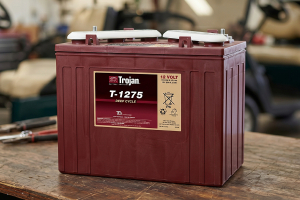
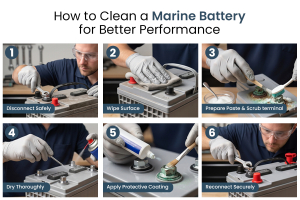
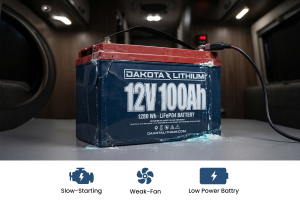
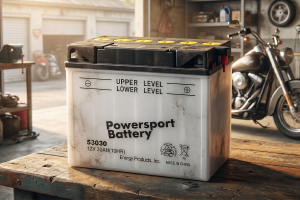
Powerboats require parts such as batteries, propellers and engines as well as equipment for the engine like a fuel pump and an alternator. Once powerboat owners understand their vessel’s working parts, they can easily maintain their boat, and they may even feel comfortable personally completing a part replacement.
Conclusion
Powerboating is a fulfilling hobby as it permits families to spend recreational time together while enjoying many activities including fishing, waterskiing and wakeboarding.