Automotive Batteries Are an Example of Which Hazard Class?
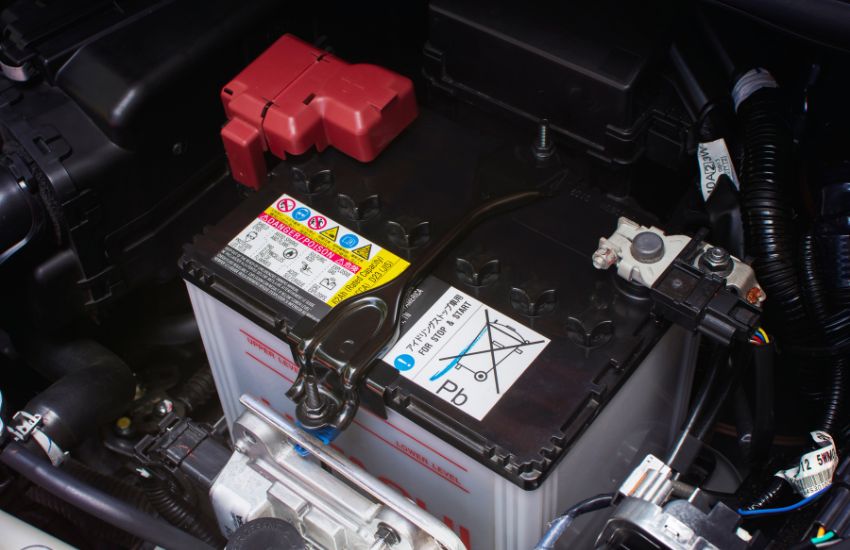
When people ask, “automotive batteries are an example of which hazard class”, they usually mean lead-acid or lithium. That’s where things get confusing. Some say Class 8, others mention Class 9 without any clear reason. If you choose the wrong one, you risk shipment delays, fines, or total package rejection under DOT shipping rules.
Lead-acid automotive batteries are classified as Hazard Class 8, UN2794. For Lithium-ion batteries, which power newer vehicles and EVs, are Hazard Class 9, UN3480 or UN3481.
This guide will help you to learn how to label batteries correctly, follow DOT and IMDG rules, and avoid mistakes that cause rejections. Keep reading to understand safe packaging, handling rules, and the exact codes for every battery type.
Why Automotive Batteries Are Regulated as Hazardous Materials
Automotive batteries are built with reactive materials that can become dangerous in storage, use, or transport conditions. Lead-acid batteries contain sulfuric acid, which corrodes skin, metal, and surfaces.
Lithium batteries contain lithium salts, which are highly unstable during physical stress or overcharging. Both types include compounds that are flammable, corrosive, and capable of violent chemical reactions.
If a battery breaks or leaks, the acid may burn skin or cause severe property damage. Corrosion can spread across shelves or vehicle compartments. In lithium-ion models, internal failure may trigger thermal runaway. This can cause explosions or rapid fires. These fires burn hotter than gasoline and may reignite after being extinguished.
Because of these threats, automotive batteries are classified as hazardous materials under U.S. DOT hazmat regulations. This includes specific labels, packing instructions, and documentation for every shipment. Agencies like OSHA, IATA, and IMDG also enforce battery safety and chemical handling rules.
These rules are not just about shipping. They exist to protect people from fires, acid leaks, and chemical injuries. The battery chemical leak risks and fire hazards are serious enough to require strict classification. This chain from chemical cause to physical risk explains why batteries must follow hazmat compliance at every stage.
Types of Automotive Batteries and Their Chemical Makeup
Every vehicle relies on a specific battery type built with unique materials and safety risks. Once you understand how these batteries differ, it becomes easier to identify their hazard classifications.
The materials inside each battery determine how it performs, how it reacts under stress, and how it must be handled during transport.
Flooded Lead-Acid Battery
This traditional design uses liquid sulfuric acid and lead plates to produce power. The liquid electrolyte freely moves inside the case. If cracked or turned sideways, the acid can spill and burn skin or metal surfaces. Because of its open design, this battery type requires ventilation and careful handling.
Sealed AGM Battery
An AGM (Absorbed Glass Mat) battery traps the electrolyte inside fiberglass mats between lead plates. It is a sealed battery, so it resists leaks and works well in rough environments. However, excessive overcharging may cause internal pressure buildup or gas release, creating fire or explosion risks.
Gel Battery
The gel battery also uses a sealed design, but the electrolyte is mixed with silica to form a gel. This design limits spilling and corrosion. Still, exposure to high heat or improper charging can cause cracking or pressure bursts, releasing harmful vapors.
Lithium-Ion Battery
Used in hybrids and EV batteries, this type contains lithium salts and flammable electrolyte sealed in compact cells. If punctured or overheated, it may trigger thermal runaway, causing intense fires or explosions. Its lithium-ion composition demands strict storage and transport control.
Each of these battery types presents a different level of hazard. Their chemical design explains why regulations assign each to a specific hazard class, which will be detailed in the next section.
Automotive Batteries Are an Example of Which Hazard Class?
Not all car batteries fall into the same hazard class. Their chemical makeup decides how they’re regulated.The U.S. Department of Transportation (DOT) and PHMSA classify batteries by risk, shipping condition, and chemical reaction.
Each type of battery connects to a specific UN number and hazard class based on the danger level. Lead-acid batteries are handled differently from lithium-ion batteries because the risks come from very different sources.
Below is a breakdown of each battery type and how they are classified under hazardous material shipping codes.
Lead-Acid Batteries (Flooded, AGM, Gel)
Hazard Class: Class 8 (Corrosive)
UN2794: Applies to wet batteries used for propulsion like starting or powering a vehicle
UN2800: Applies to non-spillable sealed batteries like AGM or gel types, if passing vibration and pressure tests
Why it matters: These contain sulfuric acid, which can burn skin, corrode metal, or damage nearby cargo if spilled
Lithium-Ion Batteries (EV, Hybrid, Small Form)
Hazard Class: Class 9 (Miscellaneous Dangerous Goods)
UN3480: Applies to lithium-ion batteries shipped alone, not installed in equipment
UN3481: Applies to lithium-ion batteries packed with or installed in a device
Why it matters: These batteries may overheat, explode, or catch fire if crushed, shorted, or exposed to extreme heat
Each automotive battery class code links directly to its physical risk. These classifications follow strict rules under DOT, PHMSA, and international groups like IMDG.The correct hazard class and UN number keep shipments safe, prevent fines, and protect handlers from harm.
How to Package, Label and Ship Automotive Batteries Safely
Shipping automotive batteries isn’t just about putting them in a box. You need the right packaging, proper labels, and paperwork. Different rules apply depending on the battery type. That’s why Class 8 and Class 9 batteries follow separate safety steps.
The DOT, PHMSA, and international rules like IATA and 49 CFR require full compliance to avoid rejection or penalties.
Checklist for Class 8 Batteries (Lead-Acid, AGM, Gel)
These are corrosive and fall under Hazard Class 8. They require careful packaging and clear documentation.
Packaging:
Place the battery upright inside a strong, sealed box with a snug internal box liner.
Use absorbent material to contain any leaks from the electrolyte.
Cover or tape the terminals to prevent short circuits.
Labeling:
Apply a Class 8 hazmat label with the UN2794 or UN2800 number
Add orientation arrows and “Corrosive” markings if required
Documents:
Include a Material Safety Data Sheet (MSDS) and a shipper’s declaration form
Follow labeling and packaging rules in 49 CFR Subchapter C
Shipping Method:
Ground transport is allowed by most carriers with proper packaging
Air freight may be restricted depending on carrier's rules
Checklist for Class 9 Batteries (Lithium-Ion)
Lithium batteries have different hazards and follow Class 9 rules for packaging and shipping.
Packaging:
Use a rigid outer container with insulation or a strong liner
Pack batteries so they do not move inside the box
Tape exposed terminals and separate batteries to prevent contact
Labeling:
Apply a Class 9 hazmat label with UN3480 or UN3481, depending on how it’s packed
Add “Lithium Battery” handling label with phone number for emergencies
Documents:
Include MSDS and air shipping declarations if going by air
Follow IATA regulations and carrier-specific instructions
Shipping Method:
Air shipping has strict limits on watt-hours and weight
Ground shipping offers more flexibility but still requires proper labels and paperwork
Frequently Asked Questions
Have questions about battery shipping rules? You’re not alone. Below are answers to the most common questions about labels, documents, and safety steps for automotive battery shipments. These tips can help you avoid mistakes and stay fully compliant.
Can I ship a car battery through the mail?
Yes, but only with carriers that accept hazardous materials. You must follow DOT rules, use proper packaging, and attach hazmat labels. Carriers like UPS and FedEx have specific battery shipping guidelines.
What label is required for a lithium-ion car battery?
You need a Class 9 hazmat label and a lithium battery handling label. If shipping by air, include a UN3480 or UN3481 mark and a phone number for emergency response.
Is a Material Safety Data Sheet required when shipping batteries?
Yes. MSDS documents provide safety information and must travel with all hazardous battery shipments. Ground and air carriers may also request a shipper’s declaration form depending on the battery type and transport method.
How do I pack a leaking or damaged battery for shipping?
Damaged or leaking batteries require special packaging. Use a leakproof container with absorbent material and strong outer protection. Always contact your carrier first. Some carriers reject damaged battery shipments due to acid or fire risk.
Can I ship lithium batteries internationally by air?
Yes, but there are strict limits on watt-hours and weight. IATA rules apply. You must include proper documents, labels, and ensure the battery passes safety tests. Some countries and air carriers enforce additional restrictions.
Cocnlusion
Shipping batteries isn’t just about getting from point A to B. It’s about safety, accuracy, and following the law. Every label, document, and box liner plays a role in preventing damage, delays, or compliance violations. Before you ship, run through your checklist: battery type, hazard class, UN code, labels, packaging, and paperwork.
Following each step helps protect your business, your team, and your cargo. Battery shipping may seem complex, but with the right process, it becomes repeatable, legal, and safe every time.