Essential ATV Winter Storage Tips
During periods of storage, an all-terrain vehicle (ATV) requires protection from harsh winter conditions. To be sure that you can still enjoy all the great benefits of owning an ATV after you have stored it for several months, you must winterize it properly. Here are a few good tips to help you prepare your vehicle for winter
Fluids and Maintenance
Before storing your vehicle, change the oil, and replace the air filter. This will prevent metal corrosion from old oil acids and provide clean lubrication. Be sure that the clutch cables and throttle are also well-lubricated. A full fuel tank helps avoid condensation build-up.
Fill the tank and add fuel stabilizer; this will keep the fuel in good shape during storage and prevent damage to fuel lines. Inspect all parts of your vehicle, and tighten any loose nuts, bolts and cables. Lubricate any accessible moving parts. To prevent the entry of curious rodents, cap the exhaust.
Winter-Proofing Your Vehicle’s Battery
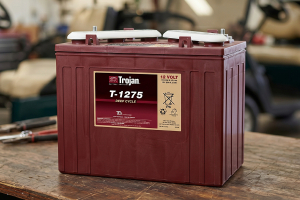
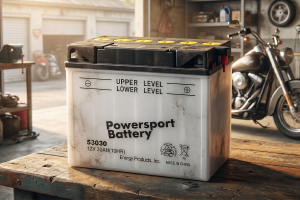
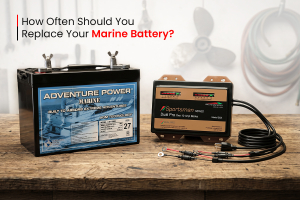
Winterizing your vehicle’s battery is essential to avoid a loss of charge. Some owners prefer to leave their ATV batteries in the vehicle. If you decide to leave your battery in, invest in a battery tender. These devices attach to the battery and turn on and off automatically to maintain a fully charged state while also preventing overcharging; they can extend the life of the battery when the vehicle is in storage. Trickle chargers are a slightly different option; they deliver a constant charge, so you must disconnect and reconnect them regularly.
If you anticipate extremely cold temperatures, the safest way to protect your battery is to remove it from the vehicle. Experts often recommend this option when the vehicle will be parked for more than 120 days. If you choose to remove the battery, store it on a piece of plastic, wood or other insulating material to prevent an accidental discharge. Store your battery in a cool, dark location.
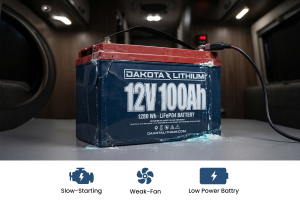
At the very least, disconnect the battery leads before storing your ATV; if you leave them attached, the vehicle may continually draw a small amount of current. After several weeks or months of a slow power drain, you may find your battery in a weakened state or even completely dead.
Storage Location, Cleaning and Covering
It is essential to clean your ATV thoroughly before storing it. Any mud, dirt or oil left on the vehicle can damage the paint and promote rust formation. Waxing the vehicle after you clean and dry it provides extra protection.
Your vehicle should spend its winter out of the harsh elements. If possible, store it inside a garage or shed. If this is not feasible, purchase a high-quality form-fitting cover. To protect its tires, keep the vehicle out of direct sunlight. If possible, move it every week or so to help prevent flat spots. Check the tire pressure, and inflate tires as needed. For even more tire protection, put the vehicle on jack stands for the winter.
Take Heart; Winter Won’t Last Forever
Proper winterizing techniques extend the life of your ATV and help you avoid expensive repairs. Following these simple guidelines will protect your investment and ensure that your vehicle is in top shape and ready to hit the road when warmer weather finally arrives.