How to Keep Your Aging Car Running
People are hanging onto their cars longer than they ever have before. If you're anything like the average driver, you probably own a vehicle that is over 10 years old and has more than 100,000 miles on the odometer. That used to seem like a lot, but a properly maintained vehicle may still be on the road well beyond 200,000 miles.
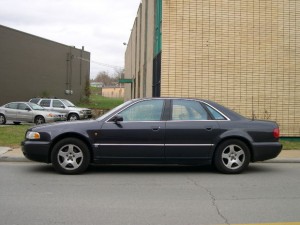
The best way to keep an aging vehicle on the road is regular maintenance and sensible driving. However, recognizing small issues before they become big problems is also vital. Another important piece of the puzzle is to form a good relationship with a reliable mechanic. Unless you're dead set on fixing everything yourself, an honest mechanic can be indispensable in keeping your older vehicle on the road.
Routine Maintenance
There are a lot of ways to prolong the life of an older vehicle, but keeping up with regular maintenance is the single best thing you can do for the longevity of a car or truck. Lack of proper maintenance has cumulative effect, which is why it's important to keep on top of things like fluid changes, belts, hoses, and other wear items throughout the life of your vehicle.
The two most essential fluids in your car are the motor oil and the coolant. Dirty oil can result in a laundry list of worn and broken internal engine components, and antifreeze actually becomes acidic when it breaks down. If you leave dirty antifreeze in your engine for too long, it will eventually start eating away at gaskets, seals, and hoses.
Since rubber breaks down over time, components like belts and hoses should also be replaced as part of a regular maintenance schedule. A loose water pump belt can lead to catastrophic engine overheating, and there are certain cases where a broken timing belt will result in engine damage.
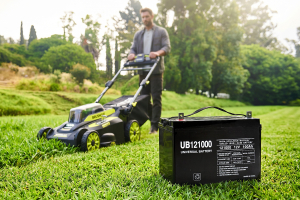
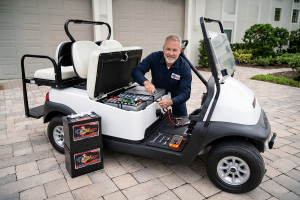
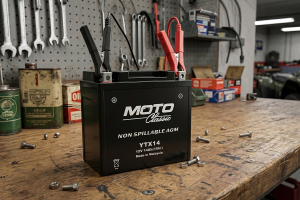
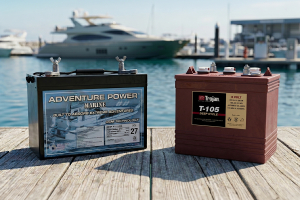
Another maintenance item that can help keep your car on the road is the car battery. While a bad battery won't cause irreparable damage to your engine, it can lead to a lot of headaches. As your battery ages, it's a good idea to keep the terminals and cables clean with a wire brush and a solution of baking soda and water. If the battery isn't sealed, then you can also check the electrolyte on a regular basis.
Take it Easy
The way you drive a vehicle also has a huge effect on how long it will last, and driving around with a lead foot is the surest way to wheel your car or truck into an early grave. Slow acceleration is easier on the engine than stomping on the gas, and you can also help prolong the life of your vehicle by allowing it to warm up before you start revving the engine. You can also avoid unnecessary wear to suspension components by driving sensibly.
Pay Attention to Warning Lights
There are probably a lot of lights and gauges on your dash, and some are more important than others. Everyone knows to pull over if the temperature gauge spikes, but other warning lights and gauges may seem less important. There are hundreds of things that can cause a check engine light to turn on, and some of them are fairly trivial. However, the only way to know for sure is to get it checked out. If you choose to ignore a check engine light, you may eventually end up with a prohibitively expensive repair bill.