How to Extend the Life of Your Marine Battery: Step By Step Guide
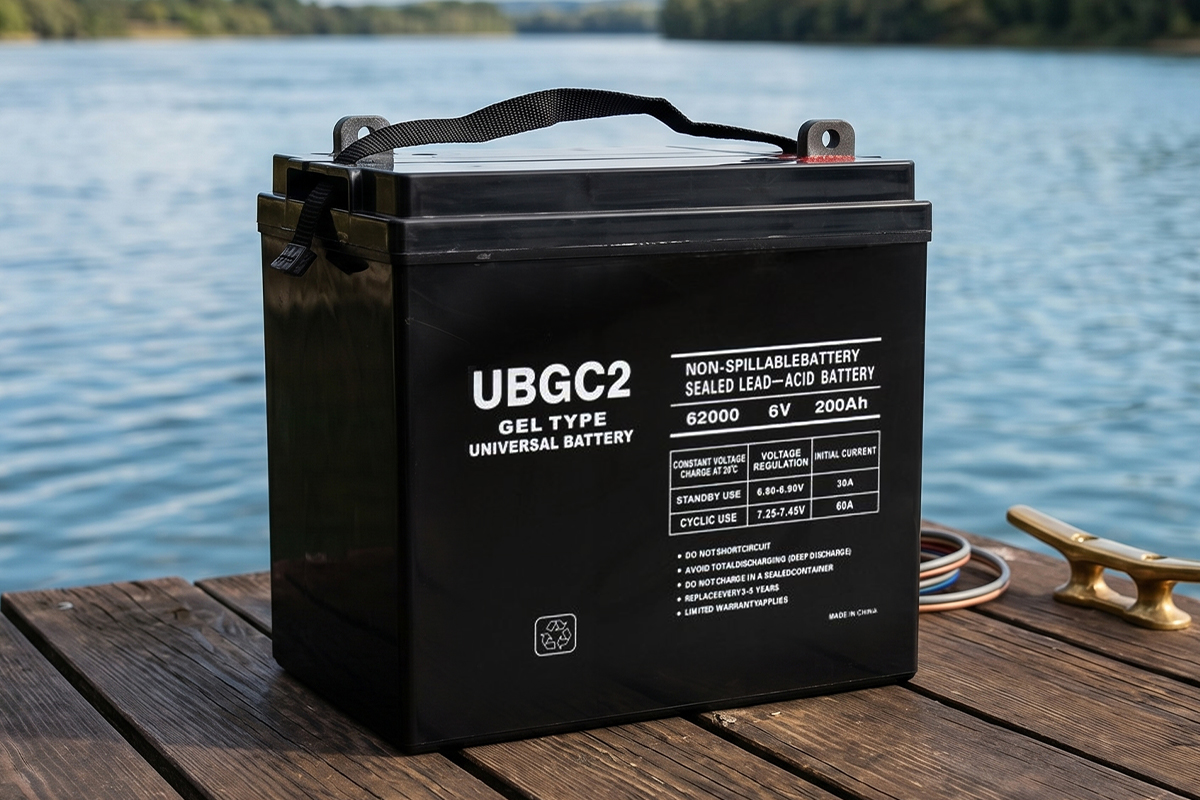
A good boat battery can last for years. But without the right care, it could die much sooner. Knowing how to extend the life of your marine battery saves you money. It also keeps you safe on the water.
This guide will show you simple steps to make your battery last a very long time. We will cover everything from charging to cleaning to storing. To make your battery last longer, you first need to know what kind of battery you have.
What Is a Marine Battery?
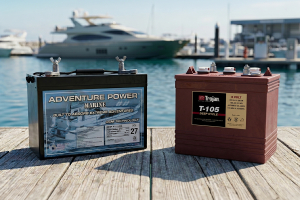
A marine battery is a special power source designed specifically for a boat. It looks a lot like a car battery, but it is built much tougher on the inside. This stronger design helps it survive the constant vibrations and pounding from waves without falling apart.
Unlike car batteries that just provide one big burst of power to start an engine, marine batteries often have to do two jobs. They start the engine, and they also provide steady, long-lasting power for electronics like fish finders, lights, and trolling motors. This ability to handle both starting and long-term power makes them unique.
Understand Your Marine Battery Chemistry and Attributes
Not all boat batteries are the same. They are made of different things inside. This is called the battery's chemistry. The type of chemistry tells you how to care for your battery.
Choosing a reliable marine battery is the first step to getting long-lasting power. Once you have a good one, you need to know its type. The three main types are Flooded Lead-Acid, AGM, and Lithium. Each one needs special care.
Flooded Lead-Acid Batteries
These are the most common and oldest type of deep cycle battery. They have caps on top that you can open. Inside, there is a mix of water and acid called an electrolyte.
This liquid can get low over time, just like water evaporating on a hot day. You have to check the electrolyte levels often. If they are low, you must add distilled water to keep the battery healthy. Never use regular tap water.
Absorbed Glass Mat (AGM) & Gel Batteries
AGM and Gel batteries are a special kind of lead-acid battery. They are sealed, so you never have to add water. This makes them much easier to take care of.
They are very tough and can handle vibrations from the boat really well. But, they are very sensitive to how you charge them. If you overcharge an AGM or Gel battery, you can damage it forever. A smart charger is very important for these batteries.
Lithium (LiFePO4) Batteries
Lithium batteries are the newest and most advanced option. They are very light and can last many more years than the other types. They can also be used until they are almost empty without getting hurt.
They have a smart computer inside called a Battery Monitoring System, or BMS. This system protects the battery from getting hurt by overcharging or being drained too much. They cost more at first, but their long cycle life often saves money over time.
Knowing these different types is key. The right care for a flooded battery can hurt an AGM battery. Now, let's look at the real steps you can take for any battery you own.
5 Factual Methods for Maximizing Battery Longevity
No matter what kind of battery you have, these five steps will help it live a longer, healthier life. Doing these simple things will give you more time on the water and less time worrying about your power.
1. Utilize a Smart Multi-Stage Charger
The biggest enemy of a marine battery is a bad charger. Using a cheap, simple charger can cook your battery. It sends too much power, which is called overcharging. This can cause damage called thermal runaway.
A smart charger is the best tool you can have. It is also called a multi-stage charger. It charges your battery in steps. First, it gives a lot of power to charge it fast. Then, it slows down as the battery gets full.
When the battery is 100% full, the smart charger switches to a maintenance mode. This is also called a float charge. It gives just a tiny bit of power to keep the battery full without hurting it. This process is key to how to extend the life of your marine battery. It stops a problem in lead-acid batteries called battery sulfation, where crystals grow and ruin the battery.
2. Monitor and Respect Depth of Discharge (DoD) Limits
Every time you use your battery and recharge it, that is one "cycle." A battery only has a certain number of cycles in its life. How much you drain it each time is very important. This is called the Depth of Discharge, or DoD.
Think of your battery like a glass of water. If you drink half of it and refill it, you can do that many times. But if you drink it until it is almost empty every time, it will wear out faster. The same is true for your battery.
For lead-acid batteries, like flooded and AGM types, you should never use more than half of the power. That is a 50% Depth of Discharge. If you drain it more than that, you will seriously shorten its life. A battery kept at 50% DoD can last twice as long as one drained to 80% every time.
Lithium batteries are different. You can safely use 80% or even more of their power. Their special chemistry is built for this deep cycle use. But even with lithium, it is a good idea not to drain it completely to zero if you can help it.
3. Eradicate Terminal Corrosion to Prevent Voltage Drop
Look at the top of your battery. You will see two metal posts, called terminals. This is where the cables connect. Sometimes, you might see a fuzzy, white or greenish-blue powder growing on them.
This is corrosion. It is like rust for your battery terminals. Corrosion makes it hard for electricity to flow. This can make your engine hard to start or make your electronics flicker. This bad connection is called a voltage drop, and it makes your battery work harder than it needs to.
Cleaning this is easy. First, disconnect the battery cables. Then, mix a little baking soda with some water to make a paste. Use an old toothbrush or a wire brush to scrub the corrosion off the terminals and the cable ends.
After it is all clean and dry, you can protect the terminals. A thin layer of petroleum jelly will stop corrosion from coming back. Clean battery terminals are a simple but very important part of battery care.
4. Perform Proper Off-Season Storage and Winterization
If you live where it gets cold, you probably store your boat for the winter. What you do with your battery during this time is critical. Leaving a battery in a boat during freezing conditions can destroy it.
You should always take the battery out of the boat for off-season storage. Clean the terminals first. Then, find a cool, dry place to keep it, like a garage or a basement. Do not leave it on a concrete floor. Put a small piece of wood under it.
A battery will slowly lose its charge over time. This is called self-discharge. If it loses too much charge, it can get damaged. To stop this, you should connect it to a special charger called a trickle charger or a battery tender.
This kind of charger gives a very small amount of power to the battery. It keeps the state of charge full all winter long. This winterization process makes sure your battery is strong and ready to go when spring comes.
5. Maintain Electrolyte Levels and Prevent Sulfation
This final tip is only for flooded lead-acid batteries. Remember, these are the ones with the removable caps. The liquid inside, the electrolyte, needs to be checked at least once a month.
When you look inside, you should see the liquid covering the metal plates. If the top of the plates are showing, the battery is getting damaged. You need to add more water. But you must only use distilled water. Tap water has minerals that will ruin your battery.
When the water level gets too low, the acid becomes too strong. This causes crystals to form on the plates, which is called battery sulfation. This is the number one killer of lead-acid batteries.
Sometimes, you can reverse this damage with a special charging process called equalization. Some smart chargers have this setting. It is a controlled overcharge that helps break up the crystals. Keeping the water level right is the best way to avoid this problem in the first place.
These maintenance steps are the core of good battery care. But to do them right, you need to know exactly how much power your battery has at any time.
Tracking State of Charge (SOC) to Prevent Failure
State of Charge, or SOC, is just a fancy way of saying how full your battery is. A 100% SOC means it is full. A 50% SOC means it is half full. Knowing your battery's SOC is like having a fuel gauge for your boat's electronics.
The easiest way to check this is with a tool called a voltage multimeter. It is a small, cheap device that can read your battery's voltage. You just touch the red probe to the positive terminal and the black probe to the negative terminal.
A fully charged 12-volt lead-acid battery will read around 12.6 to 12.7 volts. If it reads 12.2 volts, it is at about 50% SOC. This is your signal to recharge it soon. If it drops below 12 volts, it is nearly empty and at risk of being damaged.
Checking the SOC helps you stick to the 50% Depth of Discharge rule. It also lets you know if your engine's alternator is working right. When the engine is running, the voltage should be higher, around 13.7 to 14.7 volts. This shows the battery is being charged properly.
Keeping an eye on the voltage is a proactive way to find problems before they leave you stranded. This simple check gives you the power to keep your battery healthy.
Frequently Asked Questions (FAQs)
Here are some quick answers to the most common questions boat owners have about their marine batteries.
How often should I charge my marine battery?
You should recharge your marine battery after every single use. Letting a battery sit partially discharged is the fastest way to damage it, as this allows harmful sulfate crystals to build up on the internal plates.
Can I use a car battery charger on a marine battery?
It is not recommended. Marine batteries are deep cycle batteries and require a multi-stage charging process to remain healthy. A car charger can easily overcharge and permanently damage a marine battery. Always use a smart marine charger.
What is the average lifespan of a marine battery?
With proper care, a standard flooded lead-acid marine battery can last 3 to 5 years. An AGM battery may last up to 6 years, while a lithium marine battery can last for 10 years or more.
Does a marine battery need water?
Only "flooded" lead-acid batteries need water. You must check the electrolyte levels monthly and top them off with distilled water only. AGM, Gel, and lithium batteries are sealed and never require you to add water.
Is it okay to leave a marine battery on a charger all the time?
Yes, but only if you are using a modern "smart" charger or a battery tender. These devices automatically switch to a maintenance mode that will keep the battery full without overcharging or damaging it.
How do I clean corrosion off my battery terminals?
Disconnect the battery cables first. Then, scrub the terminals with a paste made from baking soda and water using a wire brush. Once clean and dry, apply a thin coat of petroleum jelly to prevent future corrosion.
Power Your Passion with a Long-Lasting Marine Battery
You now have the expert knowledge for how to extend the life of your marine battery. Applying these simple rules for charging, cleaning, and off-season storage will keep you powered up and prepared.
But even the most well-maintained battery will eventually reach the end of its cycle life. A reliable replacement battery is essential for safety and peace of mind on the water.
Don't let a weak battery cut your adventure short. Explore our premium selection of deep cycle marine batteries to find the perfect, long-lasting power source for your vessel. Shop today and guarantee a powerful start for every journey ahead.