Peg Perego Troubleshooting: Common Battery and Charging Problems
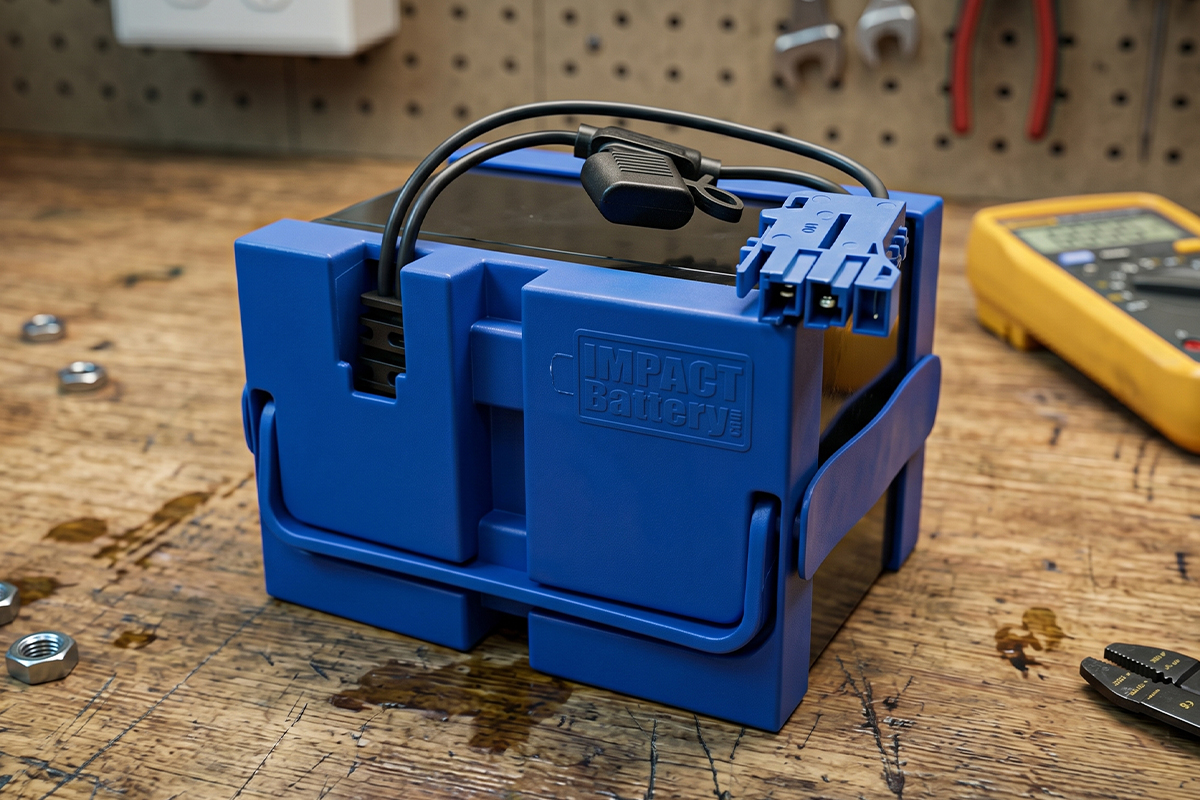
A kid’s fun day can pause fast when a Peg Perego ride-on suddenly stops moving. The pedal is pressed, but nothing happens, and the ride stays still. It can feel like a serious issue at first, maybe the battery, the charger, or a part that stopped working.
Yet most Peg Perego troubleshooting cases are much simpler than they seem. A loose wire, a low battery, or a connection that did not fully click can stop everything.
These issues may look random, but they usually follow a clear pattern once you start checking. Start with the basics and move step by step. Small details often lead straight to the cause without much effort.
With a few simple checks, problems get sorted quickly, and the ride is back up and running before long.
Understanding the Peg Perego Power System (6V, 12-Volt, and 24-Volt Batteries)
Before you start, know what’s inside. Peg Perego toys use different voltages. Usually 6V for smaller models and 12V or 24V for larger ones. Checking the voltage is step one.
Voltage works like water pressure in a hose: too low, and nothing moves. They use lead-acid batteries, which are strong but sensitive. If left empty too long, they may not recharge. Here’s a battery voltage comparison table to help you out:
Battery Type | Typical Model | Standard Charging Time | Healthy DC Voltage Reading |
6V Battery | Small Scooters / Quads | 10-15 Hours | 6.3V - 6.7V |
12V Battery | John Deere / Polaris RZR | 18-24 Hours | 12.6V - 13.2V |
24V Battery | Gaucho / SuperPower | 18-24 Hours | 25.2V - 26.4V |
Quick Diagnostics: Why Your Peg Perego Vehicle Won't Move
Sometimes the biggest problems have the tiniest causes. Before we blame the battery, we should check the basics. You would be surprised how often a "broken" toy is just a loose plug or a safety lock that is still engaged.
First, check the shifter. Many models have a high-speed lockout. This is a small screw that keeps the toy in low gear for beginners. If that screw is loose or the shifter is stuck between gears, the circuit might stay open. Next, look at the foot pedal. Kids love to get mud and sand everywhere. That grit can get inside the pedal and stop the switch from clicking. Give it a few firm taps or a quick blast of compressed air. Now, go through this checklist:
Check the shifter position. Is it fully in gear?
Verify the safety lock is not blocking the high-speed mode.
Look for a tripped thermal fuse under the seat.
Make sure the main battery connector is pushed in until it clicks.
Check the wheels for stuck sticks or heavy mud.
Peg Perego Battery Troubleshooting
The battery is usually the main reason a Peg Perego ride-on stops working. It can be fully fine, simply discharged, or completely damaged. Lead-acid batteries are sensitive to how they are used.
If left unused for long periods, they weaken, and if not charged properly, they can fail. Sometimes the battery only needs a full recharge, but other times the damage is permanent.
How to Test a Peg Perego Battery with a Multimeter
To test the battery, you need a multimeter. First, remove the battery from the vehicle so you are not testing it while connected. Set the multimeter to DC voltage, usually marked with a “V” and a straight line.
Then touch the red probe to the positive terminal and the black probe to the negative terminal. This makes sure of a solid connection. The reading tells you the condition of the battery.
For a 12V battery, a reading around 12.0V or higher usually means it is just discharged and needs charging. If it reads 10.5V or lower, the battery is likely damaged. For a 24V system, a healthy reading is around 25V or higher, while much lower readings suggest a problem.
Identifying a Dead Battery vs. a Discharged Battery
There is an important difference between a dead battery and a discharged one. A discharged battery can be recharged and used again, while a dead battery has internal damage and will not recover. When a battery sits empty for too long, sulfation can occur, which creates crystals inside that block the flow of electricity. This can also make a charger show a false “full” reading even when the battery is not actually charged.
Troubleshooting Peg Perego Charger Problems and LED Signals
Your charger is the silent partner in this duo. It has a tough job. It has to talk to the battery and decide how much power to send. Sometimes the charger "gives up" because it doesn't like what the battery is saying.
Most Peg Perego chargers have a small light on the "brick." That light is trying to talk to you. It uses a code of colors and flashes to tell you what is wrong. Understanding this code will save you hours of head-scratching.
Why is my Peg Perego Charger Blinking Red?
This is the most common question parents ask. A blinking red light is the charger's way of saying, "I give up." It usually means the charger has tried to send power, but the battery isn't accepting it.
But here is a secret. Sometimes the charger is wrong. If the battery voltage is too low (below 5V for a 12V battery), the charger might think there is no battery connected at all. It blinks red to warn you of a connection error.
Before you buy a new charger, try to "jumpstart" the battery with a different 12V source for just a few minutes. This can sometimes raise the voltage enough for the charger to recognize it and start a normal cycle. To help you troubleshoot at a glance, here is a quick reference guide to what those flashing lights actually mean:
Light Color/Pattern | Meaning | Required Action |
Solid Red | Charging | Wait for it to turn green. |
Blinking Red | Connection Error / Battery Too Low | Check plugs; test battery voltage. |
Solid Green | Fully Charged | Ready to ride! |
No Light | No Power | Check the wall outlet or charger fuse. |
Testing the Charger Output Voltage
What if the light is green, but the battery is still empty? The charger might be lying to you. You can test the charger just like you tested the battery.
Plug the charger into the wall. Do not plug it into the battery. Use your multimeter probes to touch the pins inside the charger's connector. Be careful not to let the probes touch each other, or you will see a spark. For a 12V charger, you should see a reading between 13V and 14V. If the multimeter says 0V or something very low, like 2V, the charger is broken. The internal wires have likely snapped, or a component has burned out.
Advanced Peg Perego Wiring and Component Troubleshooting
A full battery and working charger don’t always mean the truck will move. In many cases, the issue sits in the wiring. The wiring harness carries power from the battery to the pedal, then to the shifter, and finally to the motors. One damaged wire can stop everything.
Check for pinched or damaged wires, especially near the seat hinges and steering column. These high-stress areas often crush wiring. Look for melted insulation as well, since overheating can lead to short circuits.
Checking the Thermal Fuse and Circuit Breaker
Peg Perego vehicles include a thermal fuse to prevent overheating. It shuts the toy off if the motors get too hot, such as when driving up steep hills or through thick grass.
Most newer models have auto-resetting fuses that start working again after cooling down. Older models may have a fuse that can fully blow. Look for a small black or blue box along the red wire. If you have a multimeter, check for continuity. If power can’t pass through the fuse, the toy won’t run.
Testing the Foot Pedal and Shifter
The foot pedal works as a simple switch. Pressing it connects two metal contacts to complete the circuit. Over time, these contacts can wear out or become dirty.
To test it, use the continuity setting on a multimeter. Disconnect the pedal, place the probes on its terminals, and press it down. If there’s no beep, the switch isn’t working. Cleaning may help, but replacement is usually the better fix.
Fixing Intermittent Power Loss
If the toy starts and stops randomly, a loose connection is often the cause. Driving over bumps can shake wires loose.
Go through the wiring and gently tug each connection. If anything comes loose, that’s likely the problem. Tighten connectors with pliers if needed, and make sure all clips are fully locked in place. Secure connections help prevent sparks, heat buildup, and further damage.
Model-Specific Troubleshooting Guides
Each model has its own small issues. Batteries may be similar, but the wiring and parts can be different. Some models also have recurring problems.
John Deere Ground Force and Ground Loader tractors are strong, but they have many moving parts. A common problem happens near the rear axle. Driving over bumps can pull the wires too tight. When one wheel spins and the other does not, the issue is often a loose or disconnected wire near the rear axle.
Polaris RZR 900 and Ranger RZR models run fast and create more heat. This can wear out the shifter switch over time. High gear uses more power, and the heat can damage the inside parts. A vehicle that works in Low or Reverse but not in High usually needs a new shifter.
Gaucho Rock’in and SuperPower 24V models use more power and often include a control board. A clicking sound without movement can mean the control board is not working properly. It is also important to check the battery connector, since corrosion can block power.
Preventive Maintenance: Extending Battery Life
Good maintenance keeps your battery working longer and helps you avoid repeat problems. Lead-acid batteries need simple care to stay reliable. With the right habits, they can last for years instead of failing after a single season.
Follow the 18-hour rule for new batteries:
A new battery only has a surface charge. Charge it for at least 18 hours before first use to prepare it properly.Charge smart during regular use:
Do not leave the battery plugged in for more than 24 hours. Overcharging can damage it. After about an hour of use, charge it overnight and unplug it in the morning.Store properly during winter:
Cold weather drains batteries and can cause damage. Remove the battery and keep it indoors in a dry, room-temperature space.Recharge monthly during storage:
Batteries lose charge over time. A quick charge once a month keeps it healthy and prevents long-term damage.
Top 5 Peg Perego Battery Recommendations
Choosing the right battery keeps your child’s ride-on running safely and smoothly. A high-quality replacement made for your model can improve runtime, boost speed, and last much longer. Below are four great options to keep your Peg Perego toy running strong.
1. The 12V 15Ah High-Capacity Upgrade
This unit is the premier choice for parents wanting to maximize play sessions. It offers a significant energy boost over the stock version, making it perfect for the Polaris RZR 900 or the John Deere Ground Force tractor. By choosing this high-capacity Perego battery, you eliminate the frustration of a toy dying mid-adventure.
Fits original blue case perfectly.
Stable energy prevents motor stalling.
Maintenance-free sealed lead acid design.
Resists heavy off-road backyard vibrations.
Compatible with Blue Factory chargers.
2. The 12V 12Ah Original-Fit Replacement
If you want to maintain the exact factory performance and safety standards your vehicle originally provided, this is the best option. It is designed to meet the precise technical requirements of the 12V fleet, ensuring the motors operate within their intended heat and power ranges. This original-fit battery for Peg Perego is a reliable direct replacement for almost all mid-sized models.
Restores factory-spec smooth performance levels.
Spill-proof construction ensures child safety.
Ideal for twelve-volt vehicles.
Ready for immediate housing installation.
Withstands hundreds of charge cycles.
3. The 24V Powerful High-Performance Set
The 24-volt systems found in "Extreme Performance" vehicles like the Gaucho SuperPower require a massive amount of current to reach their top speeds. This set consists of two high-quality 12V cells that work in tandem to drive heavy-duty motors. Installing these powerful Peg Perego batteries ensures your vehicle can handle steep hills and heavy passenger loads with ease.
Supplies necessary extreme driving voltage.
Calibrated for Gaucho SuperPower models.
Enhances steep hill climbing ability.
Includes two twelve volt cells.
Handles high heat motor levels.
Ensures consistent acceleration with riders.
4. The 6V 12Ah Extra-Wide Capacity Battery
Many 6V tractors and quads come with small batteries that don’t last long. This upgraded replacement provides more power while fitting the larger 6V battery trays. With this wider Perego battery, kids can enjoy longer playtime around the yard.
Doubles standard energy storage capacity.
Perfect for extra-wide bases.
Eliminates frequent mid-day charging breaks.
Thick plates improve energy retention.
Fits older Peg model trays.
Delivers smooth torque for toddlers.
Frequently Asked Questions (FAQ)
Even for the pros, these simple questions will help keep the kid’s favorite toy moving every day.
Do Peg Perego batteries go bad?
Yes, like all lead-acid batteries, they eventually lose their ability to hold a charge. Over time, internal chemical reactions lead to sulfation, especially if left uncharged. Exposure to extreme temperatures and irregular charging habits also accelerates degradation, eventually requiring a full replacement to restore power.
Why does my John Deere Gator just click when trying to start?
A clicking sound usually means there is enough power to engage the internal switch but not enough current to turn the heavy motors. This indicates a weak or discharged battery, loose wiring connections, or a tripped thermal fuse. Check the battery voltage with a multimeter.
How do I know if my Peg Perego battery is charging?
Monitor the LED indicator light on your charger "brick" to determine the status. A solid red light typically confirms that charging is in progress, while a solid green light indicates a full charge. If there is no light, check the wall outlet or fuse.
How to tell if a battery is bad or just dead?
Use a multimeter to measure the voltage output. A "dead" battery is simply discharged and will recover after charging. A "bad" battery has internal damage; if it reads below 10.5V (for 12V models) after a full charge cycle, it can no longer hold power.
How long does a Peg Perego battery last?
With consistent charging and proper indoor winter storage, a high-quality battery usually lasts between one and three years. However, allowing it to sit empty for months can ruin it in a single season. Always recharge after every use to maximize its overall functional lifespan.
How long does it take for a Peg Perego battery to charge?
For a standard maintenance cycle, it typically takes ten to twelve hours to reach a full charge. A new battery or a deeply discharged one requires a longer initial session of eighteen to twenty-four hours. Never leave it plugged in for over thirty hours.
Ready to Get The Peg Perego On the Trail
Now that you understand the basics and the best battery options, handling most electrical problems becomes much easier. Peg Perego troubleshooting comes down to staying consistent and using the right parts. A good battery and proper charging habits help keep the toy running longer.
Keep connections clean, watch the charger lights, and store the battery indoors during the off-season. These small steps can prevent bigger problems later.
With a little knowledge and the right tools, most issues become quick fixes. Now it’s time to get the toy back outside and running again.