Can You Use a PowerSport Battery for Snowmobiles?

When it’s freezing outside, the last thing you want is a snowmobile that won’t start. That brings up the question, can you use a PowerSport battery for snowmobiles?
Yes, you can. But it has to be the right type. PowerSport batteries made for snowmobiles are built for cold weather and rough rides. They handle bumps and shaking much better than regular car batteries. They are also sealed, so they don’t leak when the machine moves around.
Most snowmobiles work best with AGM or lithium batteries. These give strong starting power, even in very low temperatures. That means your engine starts faster when everything is frozen.
A good PowerSport battery helps your snowmobile start easily and stay ready for winter rides
What is a PowerSport Battery?
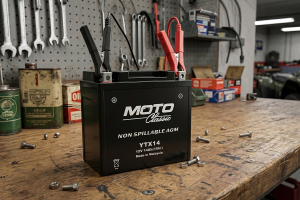
A powersport battery is made for small, high-performance vehicles like motorcycles, ATVs, dirt bikes, and snowmobiles. These vehicles go through rough use, so their batteries need to handle vibration, quick starts, and changing conditions.
While “powersport” covers many types of machines, all these batteries are designed to deliver strong power in a small, lightweight size. Still, not every battery will fit every vehicle, so choosing the right one matters.
Many of these vehicles use similar engine sizes, which is why they can often share battery types. Brands like Yuasa and Odyssey make batteries that work across different machines.
These batteries are compact but powerful, giving the quick burst of energy needed to start engines, especially in the 600cc to 1000cc range. For those maintaining smaller or older machines, a smaller PowerSport battery provides the necessary cranking force to get the engine turning.
Even if two batteries look the same, their quality can be very different. Better batteries use stronger internal parts, so they perform well under stress and in cold weather.
Cheaper ones often use thinner materials, which can lead to weaker performance, especially in low temperatures. That’s why higher-quality batteries usually last longer and work more reliably.
Snowmobile Battery Compatibility: What to Check Before You Buy
Snowmobile batteries aren’t one-size-fits-all. Even within the “powersport” category, not every battery will work for your machine. The label only tells you it’s made for recreational vehicles. Not that it matches your specific needs or anything.
Cold starts, tight compartments, and constant vibration all put extra demands on a snowmobile battery. That’s why matching the right specs matters more than the brand name.
The 4 Must-Have Specs
Before you buy, check these four things:
Cranking power (CCA): Enough strength to start in cold weather
Size: Fits securely in the battery tray
Terminal layout: Posts line up correctly with your cables
Vibration resistance: Built to handle rough terrain
Get these right, and your sled will start reliably. Miss one, and you may be stuck in the cold.
Snowmobile Battery Requirements vs. Other PowerSports
Winter is really unforgiving. The technical demands of a sled are far higher than those of a motorcycle. This engineering section looks at the metrics that matter when the oil in your engine is as thick as molasses.
Feature | Snowmobile Needs | Motorcycle Needs | ATV Needs |
Min. CCA | 300+ CCA | 150-200 CCA | 200-250 CCA |
Vibration | Extreme (Ice/Moguls) | Moderate (Road) | High (Dirt/Rocks) |
Operating Temp | -40°F to 40°F | 40°F to 100°F | 20°F to 90°F |
Chemistry | AGM Preferred | AGM/Lithium | Lead-Acid/AGM |
Cold Cranking Amps (CCA): Why Snowmobiles Demand More
The CCA rating is the most vital number on your battery label. In the winter, amps are harder to move because the chemical reaction inside the battery slows down. A snowmobile battery technical setup requires a high CCA because the starter has to fight against cold, thick oil.
Cold cranking amps are a measurement of how many amps a battery can deliver for 30 seconds at 0°F. If your amperage needs aren't met, the starting in winter process will fail every time.
Vibration Resistance: Surviving the Frozen Tundra
Riding a sled is like being in a paint shaker. The vibration from the track and the rough terrain of frozen moguls can snap internal battery plates. Durability is a requirement, not a luxury.
A shock-proof design uses internal spacers to keep the lead plates from touching. Battery vibration durability is what allows a unit to survive the heavy-duty construction of a modern mountain sled.
Group Size and Physical Fitment
Every snowmobile battery tray is designed for a specific group size. If the dimensions are off by even half an inch, the straps won't hold it. Using the correct BCI group size ensures the battery housing dimensions fit perfectly in the tray. If a battery is loose, it will bounce and eventually crack the housing.
Terminal Configuration and Polarity (L vs. R)
Checking the terminals is the most common step riders skip. The polarity refers to where the positive and negative posts sit. A terminal layout with reverse polarity can fry your ECU if you try to cross the cables. Make sure you have the correct battery polarity by checking the L vs R terminals on the top of the casing.
Comparing Battery Technologies for Snowmobiles
Modern technology offers several ways to store energy. Each chemistry has a different performance comparison. Choosing a reliable one for your machine depends entirely on how and where you ride.
Absorbed Glass Mat (AGM): The Industry Gold Standard
The AGM battery is the gold standard for a reason. It uses a glass mat to soak up the acid, making it leak-proof. An AGM snowmobile battery is reliable because it can be mounted at an angle without spilling. This absorbed glass mat design is the best choice for riders who want a "set it and forget it" solution.
Benefits: Spill-proof, high CCA, excellent vibration resistance.
Drawbacks: Heavier than lithium, more expensive than flooded cells.
Lead-Acid (Flooded/Wet Cell): The Budget Option
A lead-acid or wet cell battery is the budget option. These flooded units require you to add acid and check water levels. While they are a budget snowmobile battery, they are prone to leaking if the sled tips over. A traditional PowerSport battery is often found in specialized vintage equipment or smaller auxiliary systems that require a simple, effective power source.
Benefits: Lowest initial cost, widely available.
Drawbacks: High maintenance, prone to leaks, lower vibration resistance.
Lithium (LiFePO4): High Performance vs. Cold Weather Limitations
A lithium battery is incredibly lightweight. For a performance lithium setup, LiFePO4 technology is king. However, lithium has major limitations in the cold. Lithium iron phosphate chemistry struggles to discharge when the cells are frozen. While it offers high-performance lithium, the cold weather limitations can leave you stranded if you don't pre-warm the battery.
Benefits: Extremely light, very fast recharge, high standing voltage.
Drawbacks: Expensive, fails to charge in sub-zero temps, requires specific chargers.
Why Lithium Fails in Sub-Zero Charging Environments
The failure happens at a molecular level. In a sub-zero environment, charging a frozen lithium battery causes "lithium plating." This chemistry shift can cause a short circuit or a fire. This is why lithium fails. The sub-zero battery charging process is physically impossible without an internal heater. Most cold weather lithium issues stem from riders trying to charge a frozen unit.
Gel Batteries: Are They Worth It for Sleds?
A gel battery uses silica to turn the electrolyte into a thick paste. While a gel cell is durable, it often has lower CCA than an AGM. When asking "Are gel batteries worth it?", the answer is usually no for snowmobiles. The gel vs AGM debate usually ends with AGM winning due to better electrolyte gel performance in extreme cold.
How to Choose the Best PowerSport Battery for Your Specific Sled
Your selection should be based on your riding style. To optimize for a specific sled, you need to consider the electrical load. Once you categorize your sled, it becomes clear whether a powersport battery is the right fit.
Recommendations for High-Performance Mountain Sleds (Ski-Doo, Polaris)
A mountain sled needs to be as light as possible. If you ride a Ski-Doo or Polaris, you want high performance. Check out this checklist:
Look for a high-output AGM.
Consider a heated lithium unit.
Ensure a 310+ CCA rating.
Verify Polaris battery dimensions.
Best Batteries for Utility and Touring Snowmobiles (Yamaha, Arctic Cat)
For a touring sled or a Yamaha battery setup, reliability is everything. A Yamaha touring sled often has more electronics. Here is a checklist to help you out:
Select a high-capacity AGM.
Prioritize Amp-Hour (Ah) ratings.
Make sure the Arctic Cat battery fits the larger utility tray.
Aftermarket Accessories and Their Impact on Battery Choice
Accessories like a winch, GPS, or heated grips battery create a heavy drain. Every aftermarket parts addition increases the electrical load. To handle the power drain, you may need a battery with a higher Ah rating to manage the high load batteries requirements.
Installing a New PowerSport Battery in a Snowmobile: Step-by-Step Guide
Following a step-by-step process prevents electrical shorts. This installation guide is a standard DIY battery replacement procedure for any battery.
Safety First: Protective Gear and Precautions
Always wear gloves and goggles. Battery handling safety is crucial because acid can cause burns. Use personal protective gear and follow all installation precautions to keep your eyes and skin safe from toxic residue.
Removing the Old Unit Without Damaging Terminals
Start by using a wrench to disconnect the negative cable first. This removal sequence prevents sparks if your tool touches the frame. After the negative is off, disconnect terminals on the positive side. Proper battery extraction guide steps ensure you are removing old unit parts without causing terminal damage.
Cleaning Corrosion and Preparing the Battery Tray
Battery corrosion looks like white crusty powder. Use a mix of baking soda and water to neutralize acid. Cleaning battery terminals and the tray ensures a solid connection. Preparing battery tray surfaces now prevents future corrosion removal steps later.
Securing the New Battery and Final Connections
Drop the new unit in and use the straps to keep it from moving. When securing new battery units, connect the positive cable first, then the negative. Tightening battery terminals to the correct torque ensures final electrical connections won't vibrate loose.
Maintenance Secrets to Double Your Battery's Lifespan
Good maintenance is the only way to get a double lifespan. These secrets focus on longevity and preservation during the months you aren't riding.
The Role of a Battery Tender (Smart Charger)
A battery tender is your best friend. A smart charger monitors the voltage and enters a float mode once the battery is full. Using battery tender technology prevents overcharging. The maintenance charger role is to keep the chemistry active without boiling the internals.
Off-Season Storage: Should You Remove the Battery?
During summer storage, the heat can kill a battery faster than the cold. Off season storage should happen in a cool, dry place. Many ask, "Should I remove the battery?" Yes. Storing snowmobile battery units on a wood shelf with a tender is the best storage tips for summer.
Charging Protocols for AGM vs. Lithium
Never use a standard charger on a lithium unit. Charging AGM requires a different voltage than lithium charging. Following the correct battery charging protocols prevents damage. Lithium vs AGM chargers have different voltage limits, so always check your manual.
Troubleshooting Common Snowmobile Battery Issues
When things go wrong, you need a diagnostic plan. This troubleshooting section for battery issues helps you fix problems fast.
Symptom | Probable Cause | Solution |
Click sound, no crank | Low Voltage | Charge or Replace |
Slow Cranking | Cold/Thick Oil or Low CCA | Use a higher CCA battery |
Battery dies in 2 days | Parasitic Drain | Check for shorts/accessories |
Swollen Casing | Overcharging | Replace Battery & Regulator |
Slow Cranking on Cold Mornings: Causes and Fixes
Slow cranking is usually a sign of low voltage or a starter struggling with cold. On cold morning starting, the battery might only have 60% of its power. Slow cranking causes can often be solved by keeping the battery on a tender overnight.
Parasitic Drain: What’s Killing Your Battery?
A parasitic draw is a tiny power leak that stays on when the key is off. It might be a GPS or a faulty ground. Finding battery drain requires a systematic check of your electrical system to see what is parasitic and killing your battery.
Testing Your Battery Health with a Multimeter
You can't guess battery health. Use a multimeter to do a voltage check. A healthy battery should read 12.6V to 12.8V. Testing battery health with a multimeter is the only way to know if your voltage is high enough to turn the engine.
Frequently Asked Questions (FAQs)
Focus on what keeps your sled running strong before you hit the snow. Here are the quick answers to help you out:
Can I use a car battery in my snowmobile?
No. While it has the voltage, a car battery is too large for the fitment area. Using car batteries leads to safety issues. They lack vibration resistance. It will not fit in your tray correctly. Do not try it. This is the only right way.
How long should a snowmobile battery last?
Average battery lifespan is three to five years. How long last depends on maintenance. Snowmobile battery life drops if left discharged during summer. Keep it on a smart charger to stay healthy. Good care is the only way to avoid a dead battery. It works.
Will a higher CCA battery damage my starter?
No. The idea that higher CCA damages your starter is a myth. The starter only draws what it needs. More available power simply makes cold starts easier and more reliable.
Can you jump start my snowmobile from a car?
Yes, but keep the car engine OFF. Jumping snowmobile units from a running car can fry the voltage regulator. Use booster cables for a safe jump start. Never let vehicles touch. This protects your electrical system from a sudden and dangerous surge of power today.
What is the best battery for extreme cold?
An AGM snowmobile battery is the top choice. These absorbed glass mat units provide high CCA and handle heavy vibration. Unlike lithium, they charge perfectly when the temperature is below zero. They are reliable, tough, and built for the most brutal winter conditions. Stay strong.
Is a lithium battery worth the extra cost?
It depends. Lithium is great for mountain sleds where weight matters, but it struggles in extreme cold. For deep winter riding, a quality AGM battery is the more reliable choice.
Get Ready For Your Perfect PowerSport Battery
Your sled is ready for the next big storm, but your battery matters more than you think. So when people ask, can you use a PowerSport battery for snowmobiles, the simple answer is yes, as long as it’s the right one for cold weather and tough riding.
Don’t wait until the first deep freeze to find out your battery is weak. Check the cold cranking amps and how old it is. If it’s been a few years, swapping it for a fresh AGM or lithium unit is usually worth it.
A solid battery means fewer surprises and easier starts on cold mornings. Do a quick check before you ride, make sure everything is tight, and head out without worrying if your sled will start when the snow is perfect.