How Long Do Golf Cart Batteries Last? Lifespan Explained
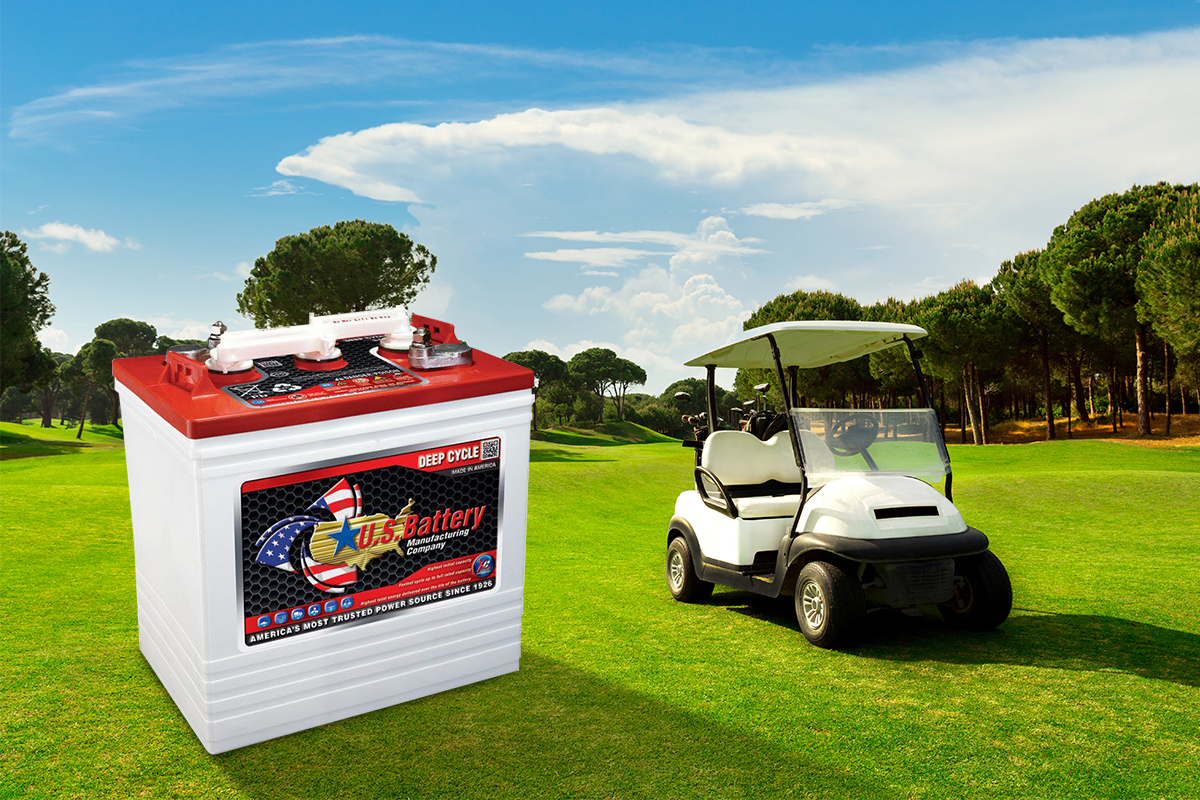
The battery is the primary power source behind every golf cart ride. But once it starts fading, common problems show up like slower speeds, weak acceleration, and shorter trips. That’s when you begin to wonder, how long do golf batteries last?
Golf cart batteries last 3 to 5 years for lead-acid, 4 to 6 years for AGM, and 8 to 12 years for lithium. The lifespan depends on the battery type, usage habits, charging routine, and storage conditions.
In this guide, we’ll cover the key factors behind battery life, how to recognize signs of wear, and what steps you can take to make any battery last longer.
How Long Do Golf Cart Batteries Last?
Most golf cart batteries last between 3 and 10 years. The actual lifespan depends on the type of battery, how often the cart is used, and how well it’s maintained.
Lifespan means how long a battery can keep delivering usable power before it starts to weaken. A battery might still charge, but if your cart doesn’t go as far as it used to, it’s wearing out. Here’s a quick look at how long golf cart batteries typically last by type:
- Lead-acid batteries: 3 to 5 years
- AGM batteries: 4 to 6 years
- Lithium batteries: 8 to 12 years
It’s not just about how many years a battery lasts. It also depends on how many times it can be fully charged and used. This is called a charge cycle, and different types of batteries have different numbers of cycles before they wear out.
- Lead-acid: 500 to 700 cycles
- AGM: 600 to 800 cycles
- Lithium: 2,000 or more cycles
Battery life isn’t always the same in real life. A daily cart wears out the battery faster than one used just on weekends. That’s why even the same battery type can last longer in one cart than another.
Types of Golf Cart Batteries and How Long They Last
Different types of golf cart batteries work differently. Some may require more care, while others don’t. Picking up the correct battery means finding one that fits your needs and requirements. Here are the most common types of batteries and how long each usually lasts.
Flooded Lead-Acid Batteries
Flooded lead-acid batteries are one of the most common types in golf carts. They've been around long and can work well with the proper care. That includes checking the water level regularly and keeping everything clean. Without proper upkeep, the battery may wear out much sooner than expected.
Most lead-acid batteries last about 3 to 5 years and handle around 500 to 700 charge cycles. This type is a good choice for users who don’t mind a bit of hands-on maintenance. But if the battery isn’t charged or stored correctly, it won’t last nearly as long.
AGM Batteries
AGM stands for Absorbent Glass Mat. This type is still a lead-acid battery, but it’s sealed and doesn’t need water checks. That makes it cleaner and easier to use compared to flooded acid batteries. It does cost more, but the longer lifespan makes up for it.
An AGM battery lasts about 4 to 6 years and handles 600 to 800 charge cycles on average. It’s a smart pick for someone who wants better performance without going all the way to lithium. With basic care and proper storage, it stays reliable over time.
Lithium-Ion Batteries
Lithium batteries are the top choice if you want strong performance and a long life. They’re lightweight, charge quickly, and don’t need any maintenance. Lithium holds power well over time so that you won’t see a drop in performance.
Most lithium golf cart batteries last between 8 and 12 years and can handle 2,000 to 5,000 charge cycles. While the price is higher initially, you won’t need to replace them as often. They’re a great fit for daily use, heavy-duty carts, or anyone who wants a long-lasting battery with no extra work.
| Battery Type | Lifespan | Maintenance | Cost | Cycle Life |
| Flooded Lead-Acid | 3-5 years | High | Low | 500-700 |
| AGM | 4-6 years | Low | Medium | 600-800 |
| Lithium-Ion | 8-12 years | None | High | 2,000-5,000 |
What Affects Golf Cart Battery Lifespan?
Golf cart battery lifespan can be affected by different factors like how it’s used, charged, and stored. Here are the factors that affect the battery lifespan most.
Charging Habits
Battery charging habits have a big effect on battery life. It can wear down when you leave the battery plugged in for days. Not charging the battery for a long period of time can also affect battery life. Lead-acid batteries are mostly affected by this type of change. Lithium batteries handle deep charges better, but doing so often still shortens their life.
Usage Frequency and Load
Using your cart daily isn’t a problem, but how you use it matters. The battery must work harder if you use the golf cart to carry heavy loads, climb hills, or pull a lot. If your car isn’t used to work all week, the battery will wear out faster than one used for the weekend rides. Short trips without full charges in between can also cause trouble.
Climate and Temperature
Climate and temperature can also affect battery performance. Cold weather affects the range but usually doesn’t cause long-term damage to the battery. Batteries can age faster in hot weather, even when the cart is not used much.
Storage Conditions
Storage conditions also affect battery life. If you store a battery without a full charge, it can drain completely. Lead-acid batteries lose charge faster than lithium batteries and can be damaged if they sit too long. Even lithium batteries can have problems if they are stored empty. That’s why it's important to store your cart in the proper weather conditions.
Maintenance Neglect
Some batteries need more care than others batteries. Flooded lead-acid batteries should be checked often for water levels and signs of corrosion. If you skip these steps, the damage can build up over time. AGM batteries are easier to manage, but it’s still a good idea to check the voltage once in a while. Lithium batteries don’t need much, but they still need attention. No matter what type you have, a little care can help your battery last much longer.
Signs Your Golf Cart Battery Needs Replacing
If your golf cart doesn’t run like it used to, the battery might be the reason. Many signs show up slowly, while others happen fast. Knowing what to look for helps you figure out when it’s time for a new one.
One of the first signs is a shorter driving range. If your cart used to go 15 or 20 miles but now struggles to make it five, the battery is likely wearing out. Even if it still charges, it may not be holding energy the same way it did before. This is common with lead-acid batteries, which lose power slowly over time.
Another clear sign that your golf cart battery needs replacing is sluggish power or slow performance while driving. If your cart takes longer to get going, feels weak on hills, or struggles to pick up speed, the battery could lose strength. This drop in power shows up earlier with lead-acid batteries. Lithium batteries tend to hold steady until they fail near the end.
A battery that takes too long to charge is also a red flag. If it used to charge in a few hours but now needs all night, and still doesn’t last, that’s not normal. It could be a sign that the battery is close to done.
Sometimes the charger itself can’t finish the job. If it shuts off too early, keeps restarting, or never reaches full charge, the battery might not respond properly. Many smart chargers stop working when they detect something’s wrong inside the battery.
You should also check for any signs of damage. Swelling, leaking fluid, or crusty buildup around the terminals are all bad signs. These problems often show up in flooded lead-acid batteries. If the battery looks puffy or starts leaking, it’s unsafe to keep using it.
Sometimes the cart shuts off as soon as you unplug the charger. If it only works while plugged in or dies just minutes after starting, the battery likely isn’t holding power anymore. It might still show a voltage number, but that doesn’t mean it has real energy left.
Remember that not every issue you see means the battery is bad. Sometimes, it can be a loose wire, a bad charger, or a connection. If you’re unsure, give a quick battery test before spending money on a new battery pack.
Golf Cart Battery Maintenance Tips
Taking care of your battery doesn’t have to be hard. A few small checks here and there can help it last longer and run better. You don’t need tools or technical skills. Just a little attention goes a long way.
You must check the water inside if you’re using flooded lead-acid batteries. After you charge the cart, pop the caps open and look inside. The plates should be just covered with distilled water. Don’t use tap water, and don’t fill before charging. You don't need watering if you’ve got AGM or lithium batteries.
Battery terminals can get dirty over time. If you spot white or green buildup on the cables, it’s time to clean them. Mix a bit of baking soda with water and use a soft brush. Wipe it dry when you’re done. You can also spray the terminals to help keep them clean longer.
Loose cables are easy to miss, just give them a quick check every month or two. If anything feels wobbly, grab a tool and tighten it gently. Never pull on wires with your hands. If any cable looks cracked or damaged, replace it before it causes problems.
Check the battery health using a simple voltage meter. After a full charge, let the battery rest for a while and then take a reading. A 6-volt battery should show about 6.3, and a 12-volt one should show around 12.8. If one battery reads way lower than the others, it might go bad.
If you're using sealed batteries, it's good to give them a strong full charge once in a while. This helps clean up the inside and keeps things balanced. Only do this with the correct charger. AGM and lithium batteries don’t need it, and doing it can damage them.
Always keep the battery area clean and dry. Don’t let water or dirt build up around the pack. Make sure there’s good airflow when you charge. Sealed batteries release gas, and that needs space to escape.
Lead-Acid vs Lithium: Which Battery Type Lasts Longer?
The lifespan of your golf cart battery depends heavily on the type you’re using. The main difference between lead-acid and lithium batteries is their lifespan and maintenance.
Lead-acid batteries usually last 3 to 5 years. They’re cheaper and widely available, but they do need regular care. That means checking water levels, charging them after each ride, and storing them properly. Without that upkeep, they wear out much sooner.
Lithium batteries can last anywhere from 8 to 12 years. They charge quickly, weigh less, and require almost no maintenance. They also handle deep discharges better, which helps them hold up longer under daily use.
Lithium is the better choice if you want something long-lasting and low-maintenance. But lead-acid can still be reliable for casual use or tight budgets.
Frequently Asked Questions
Golf cart batteries can have issues, especially when charging. Here are some common questions and answers to help charge your golf cart battery properly, avoid damage, and keep it running longer.
How Often Should I Charge My Golf Cart?
It’s best to charge your golf cart after every ride, even short ones. Regular top-offs can prevent deep discharges, which shorten battery life over time. Shallow and frequent charges are healthier than waiting until the battery runs low.
How Long Does It Take to Charge Fully?
Charging time depends on your battery and charger. Lead-acid batteries typically take 6 to 10 hours to charge. Lithium batteries charge faster, usually in 3 to 5 hours. Most smart chargers slow down near the end to prevent overcharging.
Can I Leave It Plugged In Overnight?
Yes, if you’re using a smart charger. These chargers detect when the battery is full and switch to a safe float mode. Manual chargers should never be left plugged in overnight. For long-term storage, a trickle charger or maintainer is the safest option.
Should I Charge My Cart After It Sits Unused?
Yes, charge the battery before and after storage. Lead-acid batteries lose charge faster and can get damaged if left too low. Lithium holds power longer but should still be topped off every month or two.
Can I Use Any Charger for Any Battery?
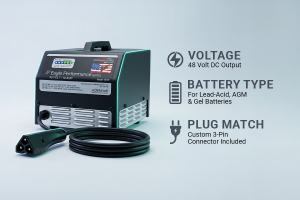
No, chargers must match your battery’s voltage and chemistry. Using the wrong charger can shorten battery life or even damage the battery. Lithium batteries often need specific chargers. Always check the battery label before plugging in the charger.
What Are the Signs of Charging Problems?
The signs of charging problems are that your charger won’t turn on, stops early, or the car runs out fast. It could be an issue of battery wear, loose connection, or a faulty charger. If problems continue, you can test the battery for voltage and overall capacity to find the issue.
Final Thoughts
How long a golf cart battery lasts depends on the type you use and how you care for it. Lead-acid batteries usually last 3 to 5 years. AGM lasts a little longer, and lithium batteries can last up to 12 years.
The battery might wear out if your cart feels slower, doesn’t hold a charge, or runs out of power too soon. Charging it correctly and storing it in the right conditions can help it last longer.
Now that you know what affects battery life, you can spot the signs early and take better care of your battery. Simple habits can save you money and keep your golf cart running strong.