How Long Does a Harley Battery Last? Let’s Find Out
Kicking a leg over a Harley-Davidson feels exciting. The road is ahead, the engine waits. Turn the key, press the starter, and the bike comes alive.
Sometimes, nothing happens. Silence fills the garage. Most of the time, the problem is small and under the seat, the battery.
So, how long does a Harley battery last? Well, it depends. Heat, cold, vibration, short rides, or long periods without use can wear it down. Loose terminals or corrosion can make it worse.
Check the voltage, clean the connections, and keep it charged. A little care today keeps the bike ready to ride tomorrow. A healthy battery avoids surprises and frustration.
The Short Answer: Average Harley Battery Life
Most Harley-Davidson batteries last between two and five years. That is the honest, real-world expectation for the majority of riders using standard AGM (Absorbent Glass Mat) or lead-acid batteries. Whether they are riding a nimble Sportster or a heavy-hitting Street Glide.
However, that number alone does not tell the full story. Battery lifespan varies widely. It depends on how the motorcycle is used and maintained. Some riders replace a battery in under two years. Others stretch performance well beyond five.
The difference is not random. It comes from specific, controllable factors. A Harley that is ridden regularly will usually have a longer-lasting battery. Proper storage also helps. Basic care goes a long way.
Bikes that sit idle for weeks or months tend to suffer. This is true across the entire lineup, from the stripped-down Iron 883 to the fully loaded Ultra Classic.
Batteries are designed to be used. When they sit unused, they degrade faster. That is why a bike that is ridden often tends to have fewer battery problems than one that spends most of its life parked.
If you are aiming for the upper end of that lifespan range, your habits matter. They matter just as much as the battery itself.
What Actually Determines Battery Lifespan?
Why do some batteries die after two years while others last seven? It’s not luck, it’s the way the battery is treated, the type you use, and the environment in which the bike lives. Here are the key factors:
1. Battery Type
Not all batteries are created equal, and the type you choose has a huge impact on lifespan. Some are rugged and low-maintenance, while others are delicate and require careful handling. The basic types are:
Flooded Lead-Acid Batteries: The classic type, now mostly used in older or vintage bikes. They’re cheap but fragile. They require water topping and are vulnerable to leaks, vibration, and heat.
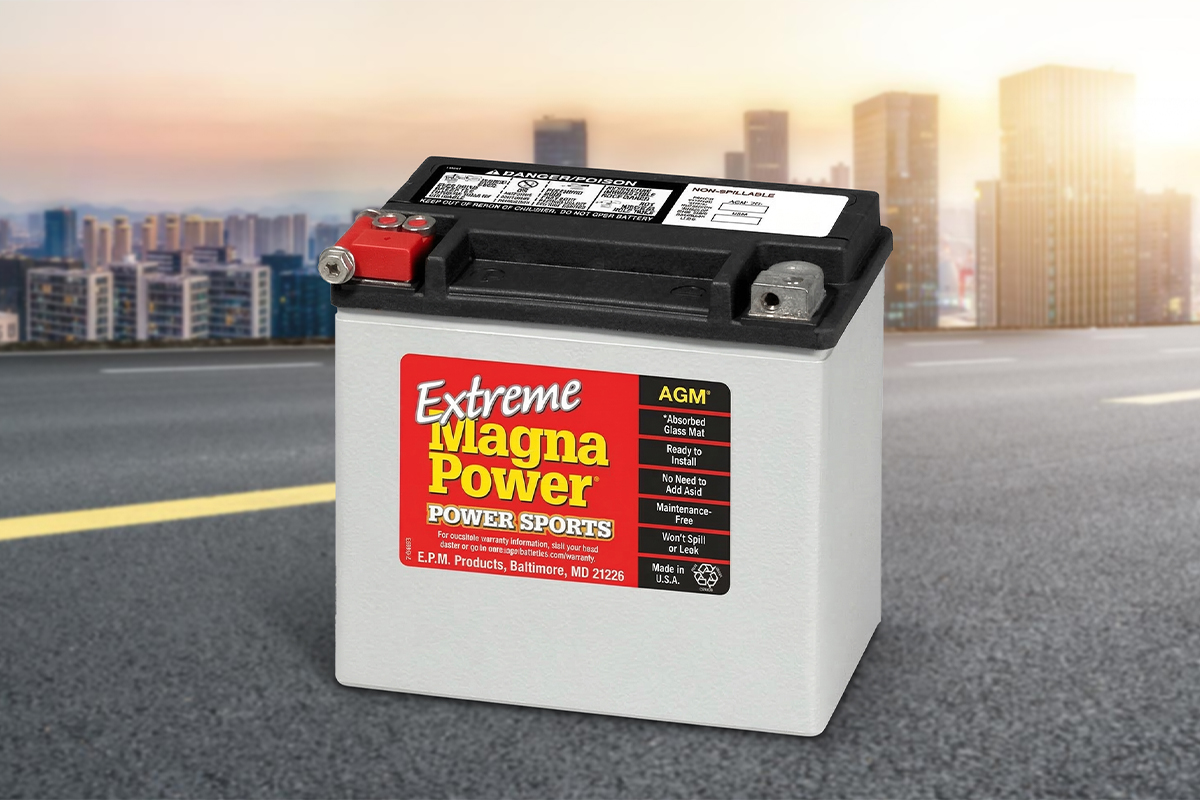
AGM Batteries: The modern standard for most Harleys. Sealed, spill-proof, and strong, they can handle vibration and rough roads. They cost more but require little maintenance.
Lithium-Ion Batteries: Light, high-performing, and long-lasting. They’re sensitive to cold temperatures and expensive, but if weight reduction is a priority, they’re attractive.
2. Climate
Extreme temperatures kill batteries faster than most riders realize.
Heat: Accelerates internal chemical reactions, degrading the battery plates. Hot asphalt or sunlight in the summer can shorten lifespan.
Cold: Thickens engine oil, making the starter work harder, and can reduce the battery’s ability to provide enough power.
3. Riding Habits
Short, infrequent rides are harsh on batteries. Starting a bike uses a lot of power, but the charging system needs time to replenish the battery.
Fifteen-minute neighborhood rides often drain more energy than they replace. A long ride once a week will do more for battery health than multiple quick starts.
4. Storage
How you store your Harley matters. Sitting idle for weeks or months without care accelerates battery wear. Heat, moisture, and corrosion can all reduce lifespan, and a dead battery is often the result of neglect rather than age.
Parking on hot asphalt exposes the battery case to heat.
Damp garages encourage corrosion on terminals, forming white or green powder that blocks electricity.
Leaving the bike idle for months without a charger allows self-discharge and sulfation to occur, slowly killing the battery.
Signs Your Harley Battery Is Starting to Fail
Batteries rarely die instantly. They usually give warning signs first. Recognizing these signals can save you from being stranded. Here’s what to watch for:
Slow Cranking: Often, the first red flag appears when you press the starter and the engine turns over sluggishly or sounds labored, rather than roaring to life. The battery doesn’t have enough amperage to spin the motor effectively.
The "Click of Death": Rapid clicking when hitting the starter button indicates the battery has enough power to engage the solenoid but not enough to turn the engine over. A deeply discharged or failing battery is likely the cause.
Dimming Headlights: Start the bike and check the headlights. Flickering or significant dimming while idling or when applying the brakes shows the battery is struggling to maintain the necessary voltage for the electrical system.
Glitchy Electronics: Modern Harleys rely on steady voltage. Radios losing presets, clocks losing time, or instrument clusters flickering are signs that the battery is failing to provide a consistent stream of power.
Visual Corrosion: Inspect the terminals for white or green powdery buildup, which increases resistance and blocks electricity flow. While cleaning can help temporarily, frequent recurrence signals internal battery failure and possible gas leakage.
Physical Deformation: A healthy battery case is flat and rectangular. Bulging or swollen cases usually indicate warped internal plates caused by extreme heat or freezing, requiring immediate replacement with a reliable AGM battery for your Harley.
Frequent Jump-Starts: Regularly needing a jump-start shows the battery has likely lost its ability to hold a charge. Replacing it with a dependable V-Twin battery helps avoid being stranded.
Comparing Harley Battery Types and Their Lifespan
Picking a replacement changes the game. The market offers three distinct paths. Each has a price tag and a timeline.
See how they stack up:
Battery Type | Average Lifespan | Pros | Cons |
Flooded Lead-Acid | 1 - 3 Years | Cheap. Easy to find. | Needs water. Leaks. Vibration kills it fast. |
AGM (Absorbent Glass Mat) | 3 - 5 Years | No maintenance. Spill-proof. Hits harder. | Costs more. Hates overcharging. |
Lithium-Ion | 4 - 7 Years | Featherweight. Holds charge forever. | Expensive. Fussy in the cold. |
AGM hits the sweet spot. It’s the gold standard for a daily rider. It takes the vibration of a V-Twin without spilling acid all over the frame. If you need a reliable power source for your Touring model, you might consider a battery built to replace Harley 66010-97 units.
Lithium is cool for weight weenies, but the cost stings. For riders looking to shed weight, a lithium battery is a solid upgrade. Flooded? Save those for vintage restorations.
How to Extend the Life of Your Harley Battery
Battery longevity is not just about luck. It is largely within your control. A few consistent habits can dramatically extend how long your battery lasts.
Use a Battery Tender
One of the most effective ways to protect your battery is by using a battery tender. It monitors the battery’s charge level. It only supplies power when needed.
This prevents overcharging. It also ensures the battery never drops too low. It is especially useful during periods when the bike is not being ridden regularly. Winter storage is a common example.
Leaving a battery discharged for extended periods leads to sulfation. Crystals form on the battery plates. This reduces its ability to hold a charge. Once the damage becomes severe, the battery cannot recover.
A tender prevents this entirely. If you find yourself needing a replacement, choosing a quality AGM battery ensures you start with a robust foundation.
Keep the Terminals Clean and Tight
Electrical connections matter more than they seem. Loose terminals reduce efficiency. They can also create heat. Both hurt battery performance.
Corrosion buildup acts as a barrier. It limits the flow of electricity. Cleaning the terminals periodically helps prevent this. A simple baking soda and water solution works well. Applying dielectric grease afterward adds protection. It helps prevent future corrosion.
Avoid Letting the Bike Sit Too Long
Even without riding, batteries slowly lose charge. Small parasitic drains make this worse. Onboard electronics continue to draw power.
If the bike will sit for more than a couple of weeks, take action. Connect a battery tender. Or disconnect the negative cable. This prevents unnecessary drain.
Take Longer Rides When Possible
When you do ride, aim for longer trips. This gives the battery time to recharge fully. It helps maintain a healthy charge cycle. It also prevents gradual depletion.
Maintenance Schedule: Staying Ahead of Failure
A proactive approach is far more effective than waiting for a battery to fail. A quick visual inspection once a month is usually enough. It helps catch obvious issues early. Check for corrosion.
Look for loose connections. Watch for physical damage. It only takes a few minutes. It can prevent larger problems.
Testing voltage every few months provides a clearer picture of battery health. A fully charged battery should read around 12.6 to 12.8 volts when the bike is off. Lower readings over time suggest declining performance. If your voltage won't hold, it might be time for a fresh battery for your Sportster.
Before the riding season begins, consider a load test. This is especially important if the battery is more than two or three years old. The test measures real starting performance. Not just resting voltage.
Frequently Asked Questions
Even with the best maintenance routine, questions often pop up about specific battery scenarios. Here are the answers to the most common questions regarding Harley battery lifespan and care.
Can a Harley battery last 10 years?
It is possible, but extremely uncommon. Achieving that kind of lifespan requires near perfect conditions. Controlled storage helps. Consistent maintenance is necessary. Minimal stress on the battery also matters. For most riders, anything beyond five years is a bonus. Not an expectation.
Can you tell if a battery is bad without tools?
Yes, to a degree. Turn the key on. Watch the headlight. If it dims significantly when starting, the battery likely lacks sufficient capacity. However, this method is not precise. A multimeter or load test gives clearer answers.
Does riding charge the battery fully?
It can, but only under the right conditions. Longer rides allow the charging system to replenish the battery. Short trips usually do not.
Is it safe to jump-start a Harley with a car?
It can be done, but caution is necessary. Connect the cables with the car turned off. Start the motorcycle. Avoid running the car during the process. This reduces the risk of electrical damage.
Portable jump starters are often a safer option. They are also more convenient.
Conclusion: Keeping Your Harley Ready to Ride
A Harley-Davidson is meant to be on the road, not sitting in a garage. When the battery dies, that freedom disappears, and most battery problems are easy to prevent.
Knowing how long a Harley battery lasts helps you stay in control. With regular rides, proper storage, and basic maintenance, your bike can run reliably for years.
Ignoring the battery often causes trouble at the worst time. A few minutes of care, checking connections, using a tender, and watching for early warning signs can make all the difference.
When you’re ready to ride, your bike will be ready too. If it is finally time to swap out that old unit, you can find a battery for your Harley here to ensure your bike starts strong every time.