How Long Does It Take to Trickle Charge a Battery?
How long does it take to trickle charge a battery? A trickle charger usually takes anywhere from 12 to 48 hours to fully charge a battery. The exact time depends on the battery’s size and how strong the charger is.
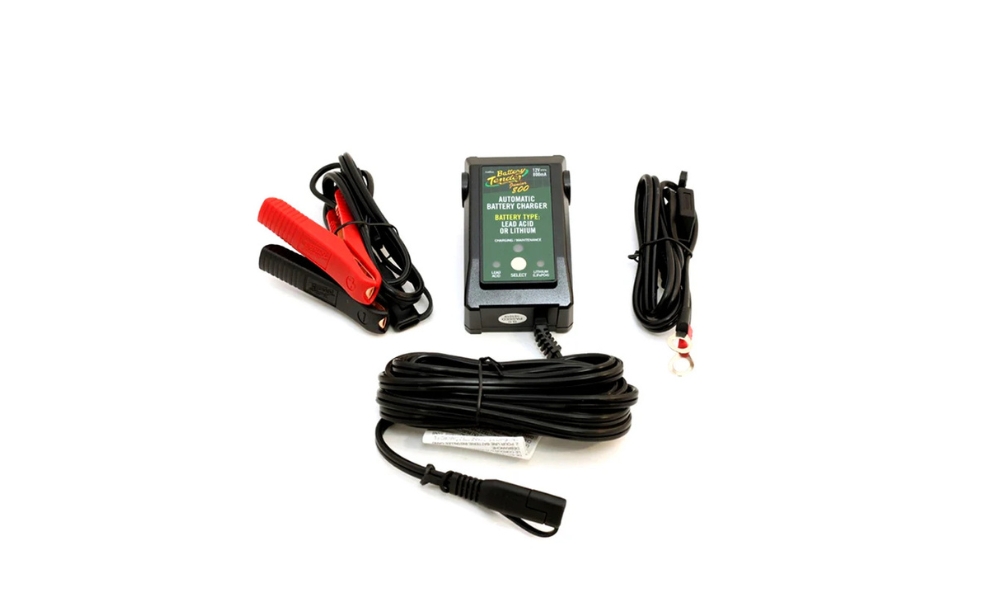
A trickle charger is a small, slow charger designed to keep a battery full without damaging it. It adds a steady, low amount of power over time instead of charging quickly. This makes it ideal for maintaining batteries and extending their lifespan.
In this guide, we’ll explain how a trickle charger works and how long does it take to trickle charge a battery. You’ll also know some tips to charge safely and keep your battery healthy.
Understanding Battery Capacity (Ah)
Battery Ah (Amp-hours) simply tells you how much energy a battery can store. Think of it as the battery’s “size” in terms of power.
The higher the Ah, the more energy the battery can hold. And the longer it will be able to run before draining. For example, a 40 Ah battery stores less energy than a 60 Ah battery. So, it will run out faster.
A 100 Ah battery stores much more energy. It means more power devices last longer, but will take more time to charge fully with the same charger.
Bigger batteries take a longer time to charge because they hold more energy. The charging time depends on both the battery’s capacity and the charger's output.
That’s why smaller batteries can be charged in a day, but larger batteries take more time.
Understanding Trickle Charger Output (Amps)
Battery charger outputs are measured in amps (A). It simply tells you how fast the charger can send the charge to the battery. If a battery has a higher charge, that means it can send more charge at once. So, it will provide for faster charging.
Most trickle chargers provide a slow, steady output of 1-2 amps. This gentle flow is designed to charge the battery safely without overheating or damaging it.
If you’re looking for a safe, reliable option to keep your battery ready, you can buy a trickle charger that matches your battery size and usage needs. While higher-output chargers can charge a battery faster, trickle chargers focus on safety and long-term battery health.
How to Calculate Charging Time
There’s a simple formula you can use to estimate how long a trickle charger will take to fully charge a battery. The formula is:
Charging Time (hours) = (Battery Capacity (Ah) × 1.2) / Charger Output (A)
Here’s what each part of the equation means:
Battery Capacity (Ah): How much energy the battery can store.
Charger Output (A): How fast the charger sends energy to the battery.
1.2 Factor: Accounts for energy lost during charging, since not all power goes into the battery efficiently.
Here’s an example of finding out the charging time it will take:
Suppose you have a 60 Ah battery and a 2-amp trickle charger. Using the formula, the charge will take:
Time = (60 / 2) × 1.2 = 36 hours
This means it will take about 36 hours to fully charge the battery safely. The formula makes it easy to estimate charging time for any battery size or charger output.
How Long Does It Take To Trickle Charge a Battery? (Approximate Charging Times)
Charging time isn’t the same for every battery. It depends on the battery’s size, type, and the output of the charger.
Smaller batteries like those in motorcycles or lawn equipment will charge faster. Larger deep-cycle or car batteries take much longer with the same charger.
To make it simple, here’s a quick table that shows how long different batteries usually take with standard trickle charger outputs:
| Battery (Ah) | Charger Output (A) | Approx. Time (hrs) |
| 40 Ah | 1 A | 48 |
| 60 Ah | 2 A | 36 |
| 100 Ah | 2 A | 60 |
| 75 Ah | 1.5 A | 60 |
| 50 Ah | 2 A | 30 |
Factors That Affect Charging Time
The condition of your battery affects how quickly it charges. Older or worn-out batteries take longer to reach full power and may not hold a full charge efficiently. Keeping your battery in good condition helps maintain faster and more reliable charging.
The charging time for the battery also depends on how the battery is discharged. If a battery is fully drained, it will take much longer to charge. So, checking the battery level before charging helps plan how long you should charge it.
Temperature and environment can impact charging speed. Cold weather slows down chemical reactions inside the battery.
While very hot conditions can reduce efficiency and safety, charging in a moderate, ventilated area keeps the process faster and safer.
If the temperature is very hot, it can reduce efficiency and safety. So, charging the battery in a moderate, ventilated area keeps the charging faster and safer.
The quality of the charger you are using also has a big effect on how long it takes to charge. Smart chargers adjust the power automatically to charge safely and faster. The basic chargers provide a slow, steady flow of charge.
Safety Tips While Charging
Charging is simple, but it’s not something you should take lightly. When you connect a charger to your vehicle or equipment, there are a few important things to keep in mind. These small steps help you stay safe and protect your battery.
Never leave a battery unattended while it’s charging. Batteries can overheat, leak, or even short-circuit without warning, so it’s smart to check in from time to time.
- Always make sure there’s good ventilation in the area where you charge. Batteries can release gases during charging, and if you’re in a closed space, those gases can build up. Keeping a window or garage door open is an easy way to stay safe.
- Read and follow the charger manual carefully. Not every charger works with every type of battery, and using the wrong setup can cause serious damage. Always confirm your battery type before plugging in.
- Avoid overcharging, since it can shorten battery life. A smart trickle charger helps prevent this by switching to maintenance mode once the battery is full. This keeps your battery safe and ready for long-term use.
If you want extra safety, wear protective gloves or glasses when handling lead-acid batteries. Keep the flammable materials away to make sure the connections are safe.
Frequently Asked Questions (FAQs)
People often have questions about using trickle chargers and charging batteries. Here, we answer some of the most common questions to help you charge safely and keep your battery healthy.
Do trickle chargers improve battery lifespan?
Yes, trickle chargers can improve battery lifespan. They charge slowly and steadily, preventing overcharging and overheating. This gentle charging method keeps the battery healthy, maintains its capacity, and helps it last longer over time.
How do I know when my battery is fully charged?
You can tell a battery is fully charged by checking the charger’s indicator light if it’s a smart charger. Otherwise, use a multimeter to measure voltage or follow the manufacturer’s instructions carefully.
Can a trickle charger overcharge a battery?
A trickle charger can overcharge a battery if it’s a basic model without an automatic shutoff. Smart trickle chargers prevent overcharging by stopping or reducing power once the battery reaches full capacity.
Is it safe to charge a battery inside a car?
Yes, it is generally safe to charge a battery inside a car if the area is well-ventilated. Always follow the battery and charger manuals and avoid enclosed spaces to prevent gas buildup.
Can I use a trickle charger for maintenance if I don’t use my battery often?
Yes, trickle chargers are ideal for battery maintenance. They provide a slow, steady charge that keeps the battery topped up, preventing discharge and extending battery life even if the battery isn’t used frequently.
How often should I check my battery while charging?
It’s a good idea to check your battery every few hours while charging, especially with a basic charger. Regular monitoring helps prevent overcharging and overheating, and ensures the battery is charging safely and efficiently.
Final Thoughts
Trickle chargers take time, but this slow charging protects your battery and extends its lifespan. Charging time depends on battery size, condition, and charger output, so understanding these factors helps plan efficiently.
Use the approximate charging times table and the simple formula to estimate how long does it take to trickle charge a battery. Slow and careful charging is always better than rushing.