What Is Reserve Capacity on a Battery? Decoding the Critical Number Most Drivers Ignore
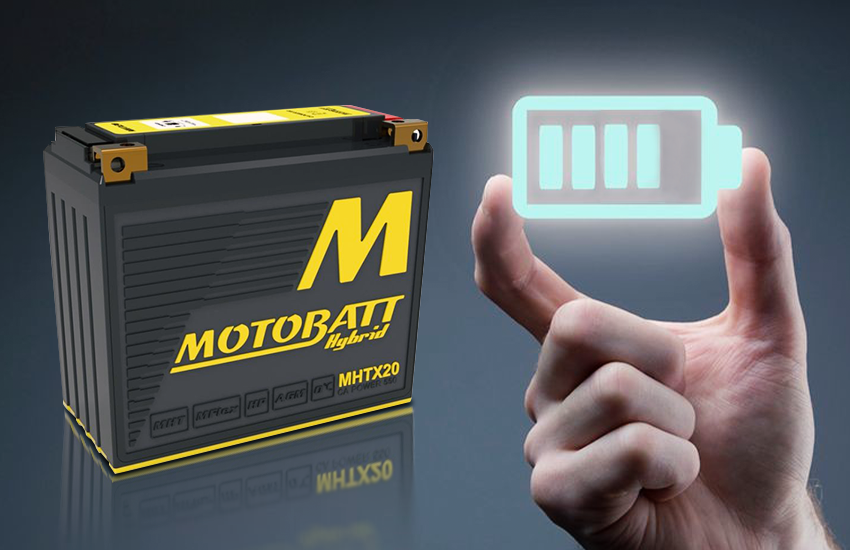
Have you ever wondered how long your car's lights would stay on if the engine stopped at night? It’s a scary thought, but your car has a feature for this kind of emergency. This safety net is called reserve capacity.
So, what is reserve capacity on a battery? Think of it as your battery's stamina. It is the number of minutes a full 12-volt battery can power your car's essential parts before it runs out of juice. This is measured with a 25-amp load at a cozy 80°F.
Understanding this battery rating is super important. It matters for anyone who drives a car, sails a boat, or uses a vehicle that needs long-lasting power. This guide will explain everything in simple terms.
Decoding Battery Reserve Capacity (RC): What the Numbers Mean
Now that you know the basic definition, let's look at what those numbers on your battery mean. The reserve capacity, or RC, is a simple number that tells a big story about your battery’s power.
The RC number you see is always measured in minutes. This number comes from a special test. In the test, a battery must provide 25 amps of power. The number of minutes it can do this before its voltage drops is its RC rating.
For example, if you see a battery with an RC of 120, it is a solid sign. It means that the battery can keep things running for 120 minutes, or two hours, under that test load. A higher number means more stamina and more time.
Reserve Capacity vs. Amp-Hours (Ah): What’s the Difference?
It's easy to mix up reserve capacity with another term called amp-hours. They both talk about battery power, but they measure different things. Let’s clear up the confusion between them.
Amp-hours, or Ah, tell you how much total energy a battery can store. It’s like knowing the size of your fuel tank. A bigger number means more fuel and more total energy inside.
Reserve capacity, on the other hand, tells you how long that energy can last under a certain, specific load. While Ah tells you the size of the tank, RC tells you how long you can run the engine at a steady pace. For this reason, many experts agree that RC is a much more accurate measurement of battery endurance under a sustained load than the amp-hour rating.
Why Reserve Capacity is More Than Just a Number
Now you know what reserve capacity is, but why should you really care about it? This number is a huge deal for your vehicle's safety and performance.
Here are the key reasons why RC is so important:
Alternator Failure: This is the most critical reason. If your alternator breaks, the RC rating tells you how many minutes of emergency power you have to get to a safe place. It keeps your headlights, power steering, and wipers working.
Deep-Cycle Applications: For RVs, boats, or off-grid setups, you need a sustained power supply. A strong RC means you can run lights, refrigerators, and other gadgets for a long time.
Running Accessories: Even when your car is off, using the radio or charging your phone drains the battery. A good RC lets you do this for longer without the risk of the battery going dead.
For anyone who depends on their vehicle's power, understanding RC is a big plus. You can find batteries with great reserve capacity for many powersports applications.
Reserve Capacity vs. Cold Cranking Amps (CCA)
Another number you will see on a battery is Cold Cranking Amps, or CCA. People often confuse it with reserve capacity. But they do two very different jobs for your vehicle.
Let's start with what CCA means. Cold Cranking Amps measure your battery's ability to start your engine in cold weather. It's all about that first big burst of power needed to get the engine going when it's freezing outside.
The key difference is simple: CCA is for starting, and RC is for running. CCA is a measure of starting power. RC is a measure of stamina, or how long the battery can provide power once the engine is running or if the alternator fails.
Think about where you live. If you live in a place with icy winters, a high CCA is very important. It ensures your car starts on the coldest mornings. But if you use lots of electronics or want a safety buffer, then a high RC is your best friend.
It is all about finding the right balance for your needs. A car battery needs a mix of both. However, other vehicles have different needs. You can explore a variety of motor scooter batteries with different ratings to find the perfect one for your ride.
How is Reserve Capacity Calculated and Tested?
To really trust the RC number on a battery, it helps to know how it is measured. It is not just a random number. The Battery Council International (BCI) created a strict, official test that all batteries must go through to get their rating.
Using a standardized test from an authority like the BCI means you can easily compare batteries from different brands. It ensures every battery is tested the same way, giving you a true, apples-to-apples comparison.
Here is how the test works in a few simple steps.
First, the battery is fully charged. It needs to be at 100% to start the test.
Next, it is placed in a room with the temperature set to 80°F, or 26.7°C.
Then, a machine applies a constant load of 25 amps to the battery. This is like running your headlights and a few other small things.
A timer starts, and they wait. The test measures how many minutes it takes for the battery’s voltage to drop to 10.5 volts. This voltage is the cutoff because, below this level, the power delivered is too low to be useful.
That final time in minutes is the battery's official RC rating.
This standard test shows true battery runtime under a specific load. It is a fair and honest way to compare the stamina of different batteries. It gives you the confidence that the number you see is a real measure of performance.
Lead-Acid vs. Lithium-Ion: How Battery Type Affects Reserve Capacity
The materials inside a battery change how it performs. Let’s compare the two most common types: lead-acid and lithium-ion.
Lead-Acid Batteries
These are the traditional choices and are very common. For these batteries, reserve capacity is a key feature. However, their power can fade as they run out, and a heavy load can drain them quicker than expected.
Lithium-Ion Batteries
These are a more modern choice with great benefits.
Steady Power: Their voltage does not drop as much while being used.
More Useful RC: They often have a better and more effective reserve capacity.
Lighter Weight: This is a big plus for performance.
Built-in Protection: A Battery Management System (BMS) protects the battery from damage.
This is a key reason why reserve capacity on a battery can feel different between the two types. For tough jobs where you need reliable power, a lithium battery like the MotoBatt MBTZ10S QuadFlex Battery is a great choice.
In off-grid power situations, a high-quality lithium trolling motor battery will easily outlast a traditional lead-acid battery.
What Makes a Battery Lose Its Stamina Over Time?
It’s important to know that the reserve capacity listed on a new battery won't stay that high forever. Over its life, several factors can reduce a battery's stamina and its effective RC.
Age and Sulfation: This is the primary cause for lead-acid batteries. As a battery ages, sulfate crystals build up on the lead plates. This process, called sulfation, reduces the active surface area, permanently lowering the battery's ability to hold a charge and deliver power.
Deep Discharges: Regularly draining a battery completely (especially a starting battery not designed for it) is very damaging. Each deep discharge can permanently reduce its future capacity, including its RC.
Extreme Temperatures: High heat can speed up battery degradation, while extreme cold can temporarily reduce its effective power output. Storing or operating a battery outside its ideal temperature range will shorten its lifespan and reduce its performance.
How to Find Your Battery's Reserve Capacity Rating
Now that you know how important RC is, you might be wondering how to find it for your current battery or a new one you're considering. It's usually easy to locate.
Look at the Battery Label: Most manufacturers print the RC directly on the top or side label of the battery. Look for "RC" followed by a number, like "RC 120 MIN."
Check the Manufacturer's Website: If the rating isn't on the battery, you can usually find the product's official spec sheet online by searching for the battery's model number.
Consult Your Vehicle's Manual: Your owner's manual will often specify the recommended battery ratings, including the minimum RC needed for your vehicle's electrical system.
Ask a Professional: When in doubt, the experts at your local auto parts store can look up the correct battery specifications for your exact make and model.
Frequently Asked Questions
Let's go over some of the most common questions people ask. This will help you become an expert on battery reserve capacity. The reserve capacity explained here should answer all your queries.
What is a good reserve capacity for a car battery?
A good RC for most cars is between 90 and 150 minutes. This provides a solid safety window for alternator failure. Larger vehicles with more electronics, like trucks or SUVs, benefit from a higher RC, closer to 180 minutes.
Is a higher reserve capacity (RC) always better?
Not necessarily. A higher RC is great for endurance, but may come in a larger, heavier battery. You must balance RC with Cold Cranking Amps (CCA) and size to ensure the battery fits your vehicle and meets its starting needs.
Can I use a battery with a higher RC than the original?
Yes, as long as the battery's voltage, physical dimensions, and terminal configuration match your vehicle's requirements. A higher RC battery can provide a longer-lasting and more reliable power supply, which is generally a safe and beneficial upgrade.
How do you convert Reserve Capacity (RC) to Amp-Hours (Ah)?
A common estimate is to divide the RC by 2.4. For example, a battery with an RC of 120 is roughly 50 Ah (120 / 2.4 = 50). This is a general approximation and not a perfectly exact conversion.
Does reserve capacity affect how a car starts?
No, reserve capacity does not affect starting. That job belongs to Cold Cranking Amps (CCA), which measures the power burst needed to start an engine. Reserve capacity is for long-term power delivery, not the initial start-up.
Choosing a Battery That Won't Let You Down
Now you know the full story of battery reserve capacity. It is a simple number that tells you how long your battery can support your vehicle in a pinch. It is your battery’s stamina, a measure of its endurance.
We have covered how RC is different from CCA and Amp-Hours. We also looked at how it is a critical safety feature if your alternator ever fails. It is the key to running accessories and essential for deep-cycle uses.
By understanding what is reserve capacity on a battery, you can choose the right one for your car, truck, or boat. You can make a smart choice that gives you peace of mind on the road. You will have the power you need, right when you need it the most.