How Long Does a Motorcycle Battery Last? (AGM vs. Lithium vs. Lead)
Imagine this scenario. You put on your helmet and jacket. The sun is shining bright. You are ready for a weekend ride. You hit the Ignition button. Nothing happens. You only hear a loud clicking sound. The engine does not turn over. This is the most common problem for motorcycle riders. It usually happens because the battery is weak.
This leads to a very important question. How long does a motorcycle battery last in a typical bike? The short answer depends on the type of battery you have. Most standard lead-acid batteries last between 2 to 5 years. Lithium batteries can last up to 10 years. But many factors change these numbers.
A battery is the heart of your bike. It wakes up the engine. It powers the lights. It keeps your electronics running. If the battery is weak, the bike becomes a heavy paperweight.
Average Motorcycle Battery Lifespan by Chemistry
Not all batteries are created equal. They look the same on the outside. But the inside is very different. The chemicals inside the plastic case decide how long the battery lives. This is called battery chemistry.
There are three main types of batteries for motorcycles. These are Flooded Lead-Acid, AGM, and Lithium. Each one has a different lifespan. Let us look at each one closely.
Flooded Lead-Acid Batteries (Wet Cell)
This is the oldest technology. These are also called wet cell batteries. They are very common in older motorcycles. A flooded battery typically lasts about 2 to 3 years. This is the shortest lifespan of the group.
These batteries contain liquid acid inside. This liquid is the electrolyte. You have to take care of these batteries often. You must check the water levels. If the water gets low, the metal plates inside will dry out.
Dry plates lead to damage. The battery will lose power quickly. You have to add distilled water to keep them healthy. They are heavy and can spill acid if they tip over. Many riders replace these with newer types.
However, they are affordable. They work well for basic needs. If you have a vintage bike, you might need a specific size. For example, the Powersport 12N7-4A replacement battery is a great choice for older machines.
AGM (Absorbed Glass Mat) Batteries
This is the most popular choice today. AGM stands for Absorbed Glass Mat. These batteries usually last between 3 to 5 years. They are much stronger than the wet cell types.
The acid in an AGM battery is not a loose liquid. It is absorbed into special fiberglass mats. These mats sit between the lead plates. This design makes the battery spill-proof. You can mount them at an angle. They will not leak.
AGM batteries are also maintenance-free. You never have to add water. They are sealed tight at the factory. This makes them very easy to own. They also handle vibration very well.
Vibration is bad for batteries. It shakes the internal parts. AGM batteries hold everything tight. This helps them last longer on bumpy roads. For reliable daily riding, the Moto Classic YTX20HL sealed AGMis a staple choice for many large bikes.
These batteries also hold a charge well. They do not lose power as fast as wet cells when they sit idle. If you have a standard street bike, you should look at the Moto Classic YTX9 sealed AGM. It offers a great balance of power and life.
Lithium-Ion (LiFePO4) Batteries
This is the newest technology. Lithium batteries are very impressive. They can last between 5 to 10 years. That is double the life of a lead-acid battery.
They are also incredibly light. A lithium battery weighs a fraction of a normal battery. This makes your bike lighter. Racers love them for this reason. They also have a very slow self-discharge rate.
Self-discharge means losing power while sitting. A lithium battery can sit for months and still start the bike. But they are more expensive. They also do not like freezing cold weather.
Quick Comparison: Motorcycle Battery Types
Battery Type | Average Lifespan | Maintenance Level | Best Feature |
Flooded Lead-Acid | 2 – 3 Years | High (Must add water) | Lowest Cost |
AGM (Sealed) | 3 – 5 Years | None (Maintenance Free) | Vibration Resistant |
Lithium-Ion | 5 – 10 Years | None | Lightweight & Long Life |
Factors Affecting Battery Life (The "Why")
You might wonder why your friend's battery lasted 6 years. But your battery only lasted 1 year. The chemistry is only part of the story. The environment plays a huge role.
Your riding habits matter too. Several outside factors determine how long does a motorcycle battery last in the real world. Let’s explore the biggest enemies of your battery.
Weather and Temperature
Temperature is the number one killer. Most people think cold is the enemy. Cold weather makes it hard to start the bike. But heat is the real damage maker.
High heat causes the liquid inside to evaporate. It accelerates corrosion inside the case. The positive plates start to break down. You won't notice this damage in the summer. But the battery gets weaker.
Then winter comes. The cold thickens the oil in your engine. The battery needs more power to turn the engine. This is called Cold Cranking Amps or CCA. The heat-damaged battery cannot provide the power. The bike fails to start.
So, heat kills the battery. But the cold reveals the dead body. If you live in a very hot climate, expect a shorter battery life.
Parasitic Drain
This sounds like a movie monster. But it is a technical term. Parasitic drain happens when the bike is off. The key is out of the ignition. But the battery is still working.
Modern bikes have many computers. They have clocks. They have alarm systems. They have GPS trackers. All these things sip power. They eat electricity from the battery 24 hours a day.
It is a small amount of power. But over weeks, it adds up. If you don't ride for a month, the battery goes flat. This deep discharge damages the chemistry. It forms lead sulfate crystals on the plates. We will talk more about that later.
Vibration
Motorcycles vibrate a lot. Single-cylinder engines shake hard. Bumpy roads add to the shaking. This physical movement is bad for the battery.
The lead plates inside are fragile. Constant shaking can crack the connections between cells. It can shake the active material off the plates. Once the material falls off, the battery loses capacity.
You need a battery built for rough use. If you ride off-road, you need a tough case. The Motobatt MBTZ7S high performance AGM is designed to handle high-vibe environments better than standard units.
Signs Your Motorcycle Battery is Dying
You do not want to get stuck. It is better to change the battery before it dies completely. Your bike usually warns you first. You just need to listen and look.
There are common symptoms of a failing battery.
1. Slow Cranking:
This is the most obvious sign. You press the start button. The engine sounds lazy. It turns over slowly. It goes "rur... rur... rur" instead of a fast "vroom". This is knows an engine knocking. This indicates that the battery is weak. It does not have enough amps to push the starter motor.
2. Dim Lights:
Turn the key on. Look at the headlight. Is it bright white or dim yellow? Now hit the horn. Is it loud or weak? If the lights and horn are weak, the voltage is low.
3. The Clicking Sound:
This is the sound of death. You press the starter. You hear a rapid "click-click-click." The engine does not move. This means the battery has enough power for the relay. But it does not have enough power for the starter motor.
4. Check with a Multimeter:
This is the best way to know. A multimeter is a simple tool. Set it to DC Volts. Put the red probe on the positive terminal. Put the black probe on the negative terminal. Do this when the bike is off.
12.6 Volts or higher: The battery is healthy and fully charged.
12.4 Volts: It is okay but needs a charge.
12.0 Volts or lower: The battery is discharged. It might be damaged.
If the voltage drops below 10.5 Volts, you have a dead cell. No amount of charging will fix a dead cell. You must buy a new one.
Finding the Right Replacement for Your Bike
When maintenance fails, you need a new battery. You cannot just buy any battery. It must fit your specific bike. The size must be correct. The power output must be correct.
Choosing the correct chemistry is vital for maintaining the expected standard of how long does a motorcycle battery last. Let’s look at what different bikes need.
Heavy Duty Cruisers (Harley-Davidson)
Big cruiser bikes have big engines. They have huge pistons. It takes a lot of force to turn them over. These bikes need High CCA batteries. A weak battery will not start a cold V-Twin engine.
Harley riders need robust power. They also deal with a lot of vibration. For heavy cruisers, the Motobatt MBTX30UHD is a beast. It has extra cranking power. It is built to start big engines easily.
If you have an older touring model, fitment is key. Older models might require the Motobatt MBHD12H. It is designed to replace specific Harley part numbers like the 66007-84.
Sport and Adventure Bikes
Sport bikes are different. They are built for speed and handling. Riders lean deep into corners. Adventure bikes go on dirt roads. These bikes need sealed batteries.
You cannot use a wet cell battery here. It might leak acid when you lean over. You need an AGM battery. It is sealed and safe.
Riders often upgrade their stock batteries. The stock ones are sometimes weak. Riders upgrading from stock often choose the Motobatt MBYZ16H sealed AGM. It offers more power than the factory unit.
Some Yamaha and Ducati bikes have tight battery boxes. You need a battery that is compact but strong. If you need a YT12B-BS replacement, the Motobatt MBT12B4 is a direct fit. It slides right in and connects easily.
Honda Shadow riders also have specific needs. The battery box is often hidden under the seat. It is hard to reach. You want a battery you can install and forget. Honda Aero riders typically look for a 2009 Honda VT750 Shadow Aero battery. This AGM unit fits perfectly and requires zero maintenance.
Upgrading from Stock (Yuasa)
Yuasa makes many factory batteries. They are good batteries. But sometimes you want something different. You might want a different terminal design. Or you might want to save money.
Many aftermarket batteries offer great value. They meet or exceed the factory specs. If you are looking to replace your Yuasa YTX16-BS, the Moto Classic YTX20CH is a perfect alternative. It gives you reliable starts at a good price.
How to Extend Your Battery Life (Maintenance)
You can make your battery last longer. It requires a little bit of work. But it saves you money in the long run. The goal is to keep the battery at 100% charge.
Lead-acid batteries are like muscles. If you don't use them, they get weak. They need to work. Or they need to be fed.
Use a Battery Maintainer
This is the secret weapon. A battery maintainer is also called a trickle charger. But you must be careful. Do not use an old car charger. It is too strong. It will cook your motorcycle battery.
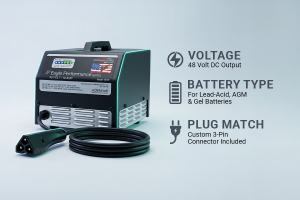
You need a smart charger. These chargers have a "Float Mode." You plug it in when you park the bike. It charges the battery to full. Then it turns off. When the voltage drops, it turns back on.
You can leave it connected for months. This is perfect for winter storage. If the bike sits for more than 7 days, plug it in. This prevents deep discharge. This simple habit doubles the life of the battery.
Clean the Terminals
Look at your battery terminals. Do you see white powder? That is corrosion. It is lead sulfate. This powder blocks the electricity.
The starter motor needs a lot of current. Corrosion acts like a wall. It stops the power from flowing.
You can clean this easily. Mix baking soda and water. It will make a paste. Use an old toothbrush. Scrub the terminals. The baking soda neutralizes the acid. Then rinse it with water and dry it.
Tighten the Bolts
Loose bolts cause problems. The connection must be tight. If the bolt is loose, sparks can happen. The charging system will struggle.
Check your battery bolts every oil change. Vibration loosens them over time. A tight connection ensures the alternator can charge the battery while you ride.
Avoid Short Rides
The bike has a charging system. It uses a stator and a rectifier. It generates power when the engine spins fast.
When you start the bike, you use a lot of power. You need to ride for at least 15 or 20 minutes to put that power back.
If you only ride for 5 minutes, the battery never gets full. You start it. You ride 5 minutes. You stop. You start it again. The battery gets lower and lower. Eventually, it dies. Go for a longer ride. It is good for the bike and the battery.
The Science of Sulfation
We mentioned sulfation earlier. Let's explain it simply. This is what kills most batteries.
Inside the battery, there are lead plates and acid. When the battery discharges, the acid turns into lead sulfate crystals. These crystals stick to the lead plates.
When you charge the battery, the crystals turn back into acid. This is a normal cycle.
But if the battery stays dead, the crystals get hard. They become permanent. They cover the plate like a crust. The acid cannot touch the plate anymore. The battery loses capacity.
Once hard sulfation happens, you cannot fix it. The battery is ruined. This is why you must keep the battery charged. A charged battery does not sulfate.
Frequently Asked Questions(FAQs)
We know you might still have a few doubts. Here are quick answers to the most common questions riders ask us every day.
How do I know if my motorcycle battery is bad?
Look for the common signs. If the engine cranks slowly or makes a clicking sound, the battery is weak. Also, check your headlights. If they are dim when idling but get brighter when you rev, your battery is likely failing.
Can you jump start a motorcycle with a car?
Yes, but be very careful. Connect the cables just like a car. However, do not turn the car engine on. The car’s powerful alternator can fry your bike's electronics. Just use the power from the car battery itself.
How long can a motorcycle battery sit without charging?
A healthy lead-acid battery can sit for about 2 to 4 weeks before it gets too weak to start. If your bike has an alarm or GPS, it might die in less than two weeks. Lithium batteries can sit much longer.
Does cold weather ruin motorcycle batteries?
Cold weather reduces power, but it does not ruin the battery unless it is dead. A dead battery can freeze and crack the case at 32°F. A fully charged battery will not freeze until it is extremely cold (-75°F).
How long does it take to charge a motorcycle battery while riding?
It takes longer than you think. You need to ride for at least 15 to 20 minutes at highway speeds to replenish the power used to start the bike. Idling in the driveway will not charge it effectively.
Should I disconnect my battery for winter storage?
Yes, if you do not have a maintainer. Disconnect the negative cable first. This stops the parasitic drain from the clock and computer. However, the best option is always to leave it connected to a smart battery maintainer.
Ready to Ride? Don’t Let a Dead Battery Stop You
We have covered the facts. You now know that how long does a motorcycle battery last comes down to chemistry and care. A little maintenance goes a long way.
But batteries do not last forever. Don't wait until you are stranded in a parking lot to find out yours is dead. That is a headache you do not need.
Go to your garage right now. Check the date code on your battery. If it is more than 4 years old, it is living on borrowed time.
Be smart and swap it out today. find the perfect replacement for your motorcycle battery here. We have the power you need to ride with confidence.
Safe travels and keep the rubber side down!