
Memorable Battery Ad Campaigns
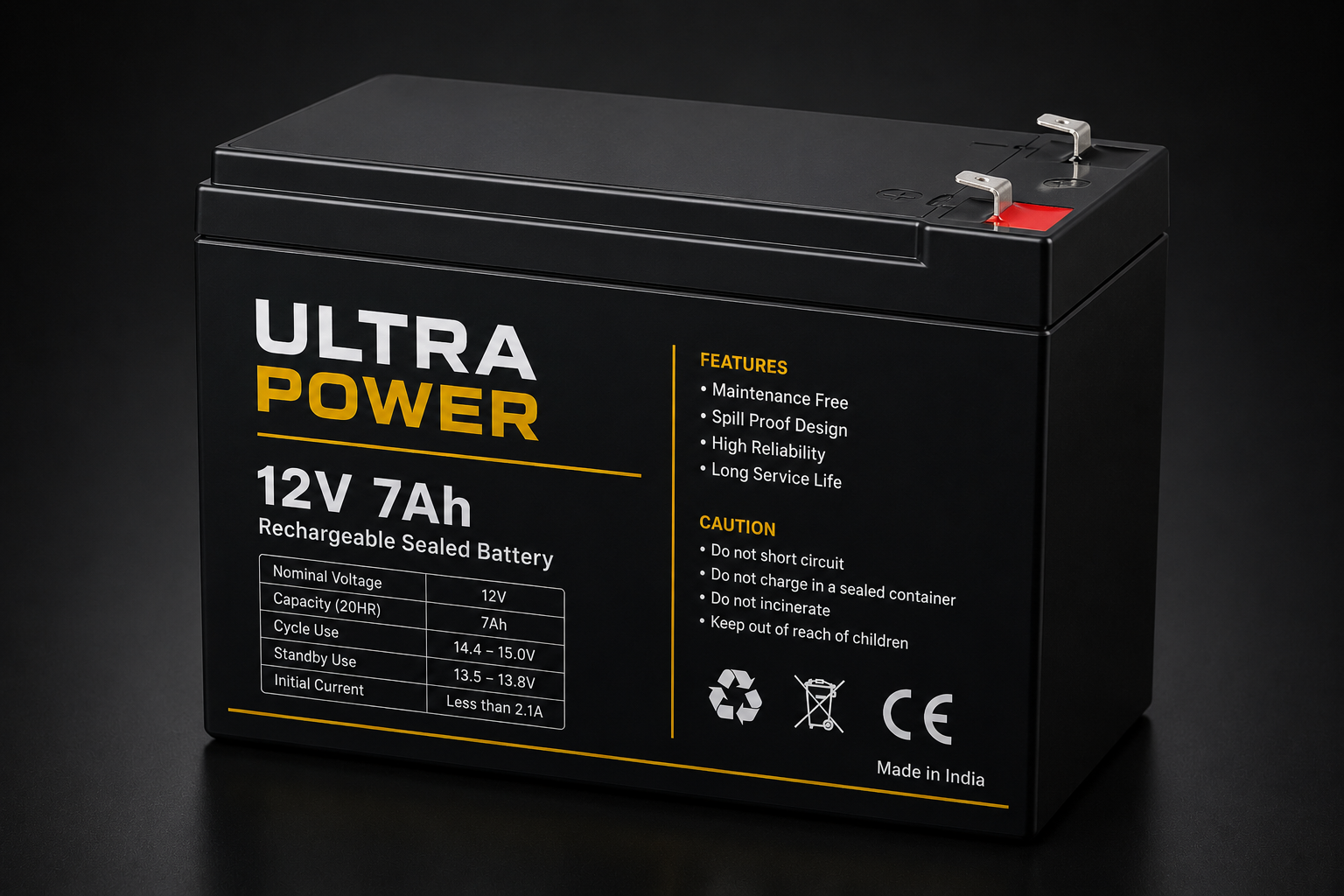
Battery advertising may sound difficult because batteries are functional, low-involvement products. Most customers do not spend much time thinking about them until a car refuses to start, a flashlight goes dark, or a child’s toy stops working. Successful battery brands overcome this problem by turning technical benefits such as runtime, reliability, and starting power into simple stories people can remember.
The most memorable battery ad campaigns include the Energizer Bunny, the Duracell Bunny, Eveready’s “Give Me Red,” DieHard’s durability-focused advertising, Interstate Batteries’ motorsports partnerships, and OPTIMA Batteries’ performance marketing. These campaigns made an invisible product benefit—stored energy—visible through characters, demonstrations, emotions, slogans, and demanding real-world situations.
Studying famous battery commercials reveals an important marketing principle: customers rarely remember a long list of specifications. They remember one clear idea. Energizer became associated with persistence, Duracell with dependable longevity, DieHard with toughness, and OPTIMA with high-performance automotive use.
What Makes a Battery Ad Campaign Memorable?
A memorable battery ad campaign communicates one recognizable benefit through a simple, repeatable creative idea. The strongest campaigns do not attempt to explain every technical feature. Instead, they focus on a benefit such as lasting longer, starting reliably, performing under pressure, or delivering better value.
Distinctive visual elements also improve recognition. A pink rabbit, a copper-colored battery top, a green automotive battery, or a red brand identity can communicate the advertiser’s identity before viewers read the company name. Consistent use of these assets helps customers recognize the brand across television, retail packaging, social media, sponsorships, and online advertisements.
Product demonstrations are especially effective in battery marketing because customers cannot see electricity being stored or released. Advertisers therefore show toys continuing to move, vehicles starting in harsh weather, race cars performing at speed, or essential devices working during emergencies. The demonstration translates an abstract performance claim into a visible outcome.
Repetition completes the process. Memorable battery advertising campaigns repeat the same central promise for years while updating the situations, production style, and media channels. The creative execution changes, but the brand meaning remains stable.
The Most Memorable Battery Ad Campaigns of All Time
Several battery brands have created campaigns that remained recognizable long after the original advertisements stopped running. Their success came from building a durable association between the product and a specific idea rather than constantly replacing their message.
The most influential examples span household batteries, automotive batteries, and performance products. Some campaigns relied on mascots, while others used celebrity endorsements, motorsports, comparative demonstrations, or emotionally important situations.
The following famous battery ad campaigns demonstrate how different brands made reliability, longevity, power, and value easier for customers to understand.
1. Energizer Bunny: “It Keeps Going and Going”
The Energizer Bunny is one of the most recognizable battery advertising characters because it transformed battery life into a symbol of endless persistence. The sunglasses-wearing pink rabbit first appeared in an Energizer commercial in 1989, beating a drum and continuing after competing battery-powered toys had stopped.
Later advertisements expanded the joke by placing the bunny inside unrelated-looking commercials. The rabbit would suddenly move through the scene, interrupt the advertisement, and continue on its way. This format gave Energizer a repeatable creative device that could appear in many settings without abandoning the original battery-life message.
The campaign’s real achievement was broader than communicating runtime. “Going and going” became an everyday expression for a person, machine, or activity that refuses to stop. In 1999, Advertising Age included the Energizer Bunny among its top brand icons of the twentieth century, recognizing its association with longevity and determination.
2. Duracell Bunny Advertising Campaign
The Duracell Bunny campaign uses a pink rabbit to demonstrate that Duracell-powered devices continue operating after others stop. Duracell introduced its bunny in 1973, years before the Energizer Bunny became prominent in North America. The character has since remained a major Duracell brand asset in many international markets.
Early executions placed battery-powered toy rabbits in a performance or competition. One bunny continued after the others lost power, creating an immediate visual comparison. Viewers did not need to understand battery chemistry because the surviving bunny communicated the intended benefit.
Duracell has modernized the character while preserving its original purpose. The bunny has appeared in new stories, digital content, and the “Power On” platform, but it continues to represent dependable, long-lasting energy. The consistency of the character supports Duracell’s wider positioning around quality, innovation, and reliability.
3. Duracell’s Trust-Centered Advertising
Duracell’s trust-centered campaigns position batteries as dependable power sources for devices that matter. Rather than treating battery failure as a minor inconvenience, these advertisements often connect power with safety, family activities, communication, toys, medical equipment, and emergency preparedness.
This emotional approach strengthens the longevity claim. A battery lasting longer becomes more meaningful when it powers something the customer values. The product is no longer simply an AA, AAA, or specialty cell; it becomes a source of reassurance during an important moment.
Duracell’s long-term brand communication consistently emphasizes quality, reliability, innovation, and performance. Its copper-and-black packaging also provides a recognizable visual identity that connects advertisements with the product customers see on store shelves.
4. Eveready’s “Give Me Red” Campaign
Eveready’s “Give Me Red” campaign became memorable by turning a packaging color into an energetic brand identity. The campaign emerged in India during the early 1990s and used bold language, youth-oriented energy, celebrity appearances, and strong red visuals.
Instead of discussing battery construction in detail, the campaign made “red” shorthand for power, confidence, and action. This simplified the buying decision because customers could identify both the slogan and the package quickly. The color became an asset that Eveready could repeat across different advertisements.
Celebrity endorsements expanded the campaign’s reach. Eveready later used well-known actors, including Amitabh Bachchan and Akshay Kumar, in advertising connected to its red identity. The company describes “Give Me Red” as one of its defining campaigns and a major part of its brand transformation.
5. Rayovac’s Value-Focused Advertising
Rayovac’s advertising commonly competes through practical reliability and value rather than elaborate premium positioning. This approach appeals to households purchasing batteries for frequently used products such as remote controls, toys, clocks, flashlights, and everyday electronics.
A value-focused battery campaign should not merely say that the product is cheaper. Low price alone can suggest weak performance. Effective value messaging argues that customers receive dependable power for ordinary devices without paying unnecessarily for a more expensive brand.
Rayovac’s current brand communication emphasizes reliability for devices people use every day. Its wider product messaging also combines practical performance with accessibility, giving the company a clear position between premium battery brands and unrecognized low-cost alternatives.
6. Interstate Batteries’ Reliability Campaigns
Interstate Batteries built recognition by connecting automotive reliability with professional trust and motorsports visibility. The company launched its first national television advertisement, called “Start,” in 1985. In 1991, it became a founding sponsor of Joe Gibbs Racing.
NASCAR provided a strong environment for demonstrating the brand’s values. Racing involves heat, vibration, speed, mechanical pressure, and the risk of failure. Even when sponsorship does not test a retail battery directly, the setting reinforces associations with automotive expertise and performance.
The recognizable green Interstate battery and long-running racing relationship created continuity across television coverage, vehicles, retail locations, and promotional materials. Interstate describes its positioning around dependability, long-lasting quality, professional trust, and a decades-long relationship with Joe Gibbs Racing.
7. DieHard Battery Advertising
DieHard advertising made toughness the core meaning of the brand. The name itself communicates resistance, endurance, and the ability to survive difficult conditions. This made the brand especially suitable for advertisements involving cold weather, difficult starts, demanding vehicles, and unexpected breakdown situations.
The advertisements worked because they addressed a serious automotive fear. A household battery that fails may interrupt entertainment, but a car battery failure can leave someone stranded. DieHard’s creative strategy therefore placed durability within situations where reliability had clear practical value.
The brand also used sponsorships and popular culture to expand recognition. DieHard won an Advertising Age press award for its “Indy Helmet” advertisement in 1987, appeared in films including Short Circuit 2 and Days of Thunder, and sponsored a NASCAR team during the 1994 season.
8. OPTIMA Batteries’ Performance Marketing
OPTIMA Batteries markets performance by placing its products close to racing, modified vehicles, demanding applications, and automotive enthusiasts. This is a focused strategy rather than a mass-market household battery campaign.
The product’s distinctive spiral-cell design and colored tops also provide visual differentiation. In enthusiast markets, recognizable product design matters because customers may see the battery installed inside a show car, race vehicle, off-road build, or engine bay.
OPTIMA has supported racing partnerships, brand ambassadors, educational programs, and the OPTIMA Ultimate Street Car Invitational. Its motorsports programs have been used to connect the brand with demanding applications and demonstrate relevance to drivers who care about vehicle performance.
Common Advertising Strategies Used by Battery Brands
Battery brands commonly use performance demonstrations, emotional storytelling, mascots, humor, endorsements, and sponsorships. Each method solves the same basic challenge: making an unseen source of energy interesting and understandable.
Performance demonstrations work best when the difference is immediately visible. One device continues while another stops, a vehicle starts in freezing conditions, or a battery powers equipment during a demanding event. Comparative advertising can be effective, but the comparison must be clear, truthful, and supported by evidence.
Emotional storytelling shifts attention from the battery to the moment it protects. The advertisement may feature a family, an emergency kit, a child’s toy, an outdoor trip, a work vehicle, or an essential device. The battery becomes relevant because failure would disrupt something important.
Mascots and humor improve recall, while celebrities and sports partnerships transfer recognition to the brand. However, none of these devices can rescue an unclear message. The audience should still understand the battery benefit after the entertainment ends.
Why Battery Longevity Is a Popular Advertising Message
Battery longevity is a popular advertising benefit because customers want fewer replacements, less inconvenience, and better value over time. It is also easy to visualize. A longer-lasting battery keeps a toy moving, a flashlight shining, or a device operating after competing products stop.
Longevity simplifies a technically complicated category. Battery performance can vary according to device type, power demand, temperature, usage pattern, storage conditions, and chemistry. Advertising reduces this complexity to a customer-friendly question: how long will the battery keep my device working?
Brands must still be careful with runtime claims. A statement such as “lasts longer” needs a clearly defined comparison and reliable supporting evidence. The FTC requires advertisers to possess a reasonable basis for objective claims before publishing them.
How Battery Advertising Has Changed Over Time
Battery advertising has moved from print and television toward an integrated mix of video, search, social media, retail content, sponsorships, and creator-led demonstrations. The core benefits remain similar, but customers now encounter campaigns across more touchpoints.
Traditional commercials relied on broad reach and repeated slogans. Modern campaigns can target specific groups, such as parents buying toy batteries, drivers preparing for winter, RV owners, motorcycle riders, hearing-aid users, or consumers researching rechargeable batteries.
Digital media also makes proof more important. Customers can compare specifications, watch runtime tests, read reviews, and challenge unclear claims within minutes. Modern battery marketers therefore need consistent information across advertisements, product pages, retailer listings, packaging, videos, and customer support content.
Memorable Electric Vehicle Battery Campaigns
Electric vehicle battery advertising focuses primarily on driving range, charging speed, battery durability, performance, and access to charging infrastructure. These benefits address the questions that directly affect whether a customer feels confident purchasing an EV.
Tesla helped make battery capability central to automotive marketing by presenting electric range and acceleration as desirable performance features rather than limitations. Other manufacturers now promote fast-charging times, battery warranties, charging networks, route planning, and energy efficiency.
EV advertisers must avoid presenting ideal laboratory figures as guaranteed real-world outcomes. Temperature, speed, terrain, driving style, climate control, vehicle load, and battery condition can affect range. Clear testing standards and properly qualified claims are essential for maintaining trust.
Sustainability in Modern Battery Advertising
Modern battery advertising increasingly highlights rechargeability, recycling, responsible materials, longer service life, and reduced waste. These themes can differentiate a product, particularly when customers are comparing disposable and rechargeable options.
However, broad statements such as “green,” “environmentally friendly,” or “sustainable” can be misleading when the advertiser does not explain what the claim covers. A battery may use recycled packaging while still creating other environmental impacts during manufacturing, shipping, use, or disposal.
The FTC’s Green Guides advise marketers to understand how customers interpret environmental claims, maintain reliable evidence, and use qualifications when necessary. Battery brands should therefore state the specific improvement—such as recyclable packaging or a defined percentage of recycled content—instead of relying on vague environmental language.
Lessons Marketers Can Learn From Famous Battery Campaigns
The biggest lesson from famous battery commercials is to own one simple idea. Energizer owns persistence, Duracell emphasizes dependable longevity, DieHard represents toughness, Interstate connects with professional automotive reliability, and OPTIMA targets high-performance enthusiasts.
The second lesson is to build distinctive brand assets. Colors, characters, slogans, package shapes, sounds, and recurring visual devices improve recognition. A campaign becomes more efficient when customers identify the advertiser before the logo appears.
Third, demonstrate the benefit instead of merely describing it. A customer is more likely to understand “long-lasting” when a device visibly continues operating. For automotive products, difficult conditions and credible use cases can make the performance promise more concrete.
Finally, consistency matters more than constant reinvention. Strong campaigns can evolve without discarding the central idea. Changing the message every few months may produce novelty, but it prevents the brand from developing a lasting association.
How to Create a Memorable Battery Ad Campaign
To create a memorable battery ad campaign, begin with a defined audience and one evidence-based value proposition. A household battery buyer, fleet manager, motorcycle owner, RV traveler, and hearing-aid user have different concerns. A generic message will usually be too weak for all of them.
Choose the most important customer benefit. Possible directions include longer runtime, reliable starting, leak protection, shelf life, rechargeability, vibration resistance, cold-weather performance, warranty support, or lower long-term cost. Do not combine every benefit into one headline.
Develop a simple creative device that makes the benefit visible. This might be a recurring character, controlled test, real-world challenge, customer story, recognizable sound, repeated phrase, or visually distinctive product demonstration.
Match the message to the platform. Short social videos need an immediate problem and visible result. Search advertisements need specific intent-based language. Product pages require technical proof, comparisons, limitations, reviews, and purchase information.
Measure more than clicks. Track brand search growth, video completion, message recall, landing-page engagement, conversion rate, retailer sales, repeat purchases, and customer understanding. Before publishing performance or environmental claims, confirm that the company possesses suitable evidence.
Frequently Asked Questions (FAQs)
Explore frequently asked questions about memorable battery ad campaigns, including what made them successful, which brands created iconic advertisements, and how humor, emotion, slogans, mascots, and storytelling helped battery companies build recognition, trust, and long-term customer loyalty.
What is the most famous battery advertising campaign?
The Energizer Bunny is arguably the most famous battery advertising campaign in North America. Its pink rabbit, drum, sunglasses, and “going and going” message created an enduring association with long-lasting power and persistence.
Why are bunny mascots associated with battery brands?
Bunnies were used as battery-powered toy demonstrations. Duracell introduced its bunny concept in 1973, while the Energizer Bunny appeared in 1989 and became especially prominent in the United States and Canada.
What makes a battery advertisement effective?
An effective battery advertisement presents one relevant benefit, makes that benefit visible, uses recognizable branding, and supports objective claims with evidence. The customer should quickly understand why the product is useful.
How do battery companies advertise long-lasting performance?
Brands commonly show one battery-powered device continuing after others stop. They may also use runtime comparisons, laboratory tests, real-world demonstrations, testimonials, or stories in which reliable power protects an important activity.
Are battery performance claims regulated?
Yes. In the United States, advertising claims must be truthful, non-deceptive, and evidence-based. Advertisers should possess adequate support before publishing objective performance or comparative claims.
How has social media changed battery marketing?
Social media allows brands to publish demonstrations, maintenance tips, creator partnerships, customer videos, comparisons, and highly targeted advertisements. It also allows customers to question weak claims and publicly share product failures.
What can small battery brands learn from major campaigns?
Small brands should avoid copying famous mascots or slogans. They should identify a narrow audience, choose one defensible benefit, create distinctive branding, demonstrate performance clearly, and repeat the same strategic message consistently.
Conclusion
Memorable battery ad campaigns succeed by turning technical performance into a simple human idea. The Energizer Bunny represents persistence, the Duracell Bunny demonstrates longevity, “Give Me Red” communicates energy, DieHard signals toughness, and motorsports help Interstate and OPTIMA communicate automotive credibility.
These campaigns also show that memorable advertising does not require complicated messaging. A strong character, visual comparison, color, slogan, or real-world demonstration can communicate more effectively than a crowded list of technical specifications.
The best battery advertising combines creativity with proof. A memorable concept attracts attention, but credible product performance builds trust. Brands that connect one clear benefit with consistent creative assets have the strongest chance of remaining recognizable in a highly competitive battery market.


