Solar Power Startup Guide for Homes
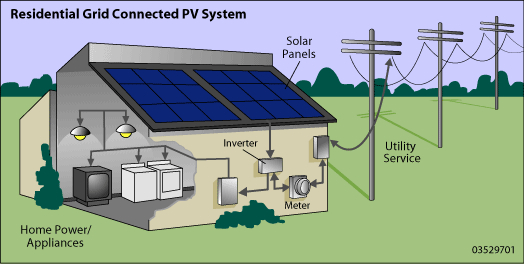
If you’ve ever considered utilizing solar power in your home this guide is for you. Installing a solar electric system in your home can save thousands of dollars a year in electricity costs. Thanks to net metering offered by many states, you can actually be paid by the electric company for the power you put back into the system! See your state regulations.
Please note that this guide is not a technical guide to installing a photovoltaic (PV) system. Please consult an experienced PV designer for technical details.
Benefits
While you may have your own reasons for installing a PV system, here are some universal benefits for utilizing solar power.
- - To conserve energy and promote a more eco-friendly power alternative.
- - Increase and diversity energy supply.
- - Helping to upgrade our national energy infrastructure.
- - Encourage the growth of clean technologies as significant energy providers.
Before You Start
Energy efficiently is paramount to solar power. Adding insulation and energy-efficient components to your home is very important in order to reduce your home’s overall electricity usage. This will help your new solar powered home go further with less electricity.
Is a PV System Possible On Your Property?
Consider these questions to determine if your home is a good place for a PV system.
- 1. Can you locate your system away from obstructions so that it has a clear view of the sun’s rays throughout the day, all year long? Usually the best location is a south facing roof. If your roof can not be used solar panels can be placed on the ground using mounts.
- 2. Is your roof or property large enough for a PV system? Some systems require as little as a 50 square foot area while others may need as much as 1,000 square feet. Home systems are typically much smaller than what is needed for a business.
- 3. Do you have the right kind of roof and is it in good enough condition? Typically, roofs with composition shingles are the easiest to work with while roofs with slates are more difficult to manage. This is something your PV consultant could help you determine.
Where Can I Find Solar Products?
There are local retailers in every metro area nationwide however there are online retailers that offer products and materials at discounted rates. At Impact Battery we have a large selection of solar products including solar panels, controllers, and accessories.
How Much Will It Cost?
Of course this question is variable for each system, but there are factors that can be considered to determine a ballpark estimate for your solar powered home.
- - Homes built with an integrated solar system in mind it will cost less.
- - Price also depends on the type of system you purchased, manufacturer, retailer, and installer.
SMALL
Small PV systems with built in inverters may cost around $900 to install. However these small systems only offset the cost of your electricity bill by a fraction.
MEDIUM
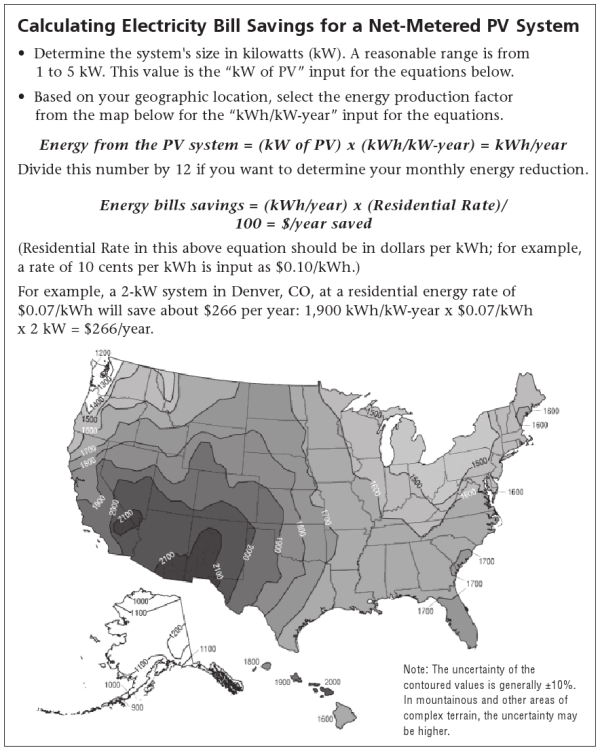
A two kilowatt system (enough power for a very energy efficient home) could cost up to $20,000 upon installation.
LARGE
Finally, a system that meets the needs of a conventional home can cost up to $40,000 installed. Your local PV contractors can help determine a more refined price estimate for your home.
Questions for Your PV Contractor
The following questions can help you select the best company for installing a PV system in your home.
- - Have you installed grid connected PV systems before?
- - Have you installed grid independent PV systems before?
- - How many years of experience do you have with PV installations?
- - Are you a licensed contractor (electrical, general contractor, and/or solar speciality license)?
- - Do you have any certifications in PV systems?
Other Factors to Consider
Before starting your project consider these critical factors.
- 1. Obtain approval from homeowners association.
- 2. Obtain permits from city or county building departments.
- 3. Check your local code requirements for PV systems.
- 4. Homeowners insurance is usually adequate, but check the agreement with your electric provider for details.
It’s an exciting dream to be able to live off-the-grid, but there are some very practical steps in attaining freedom from the public power supplier. Renewable energy not only helps the environment but it helps promote a stronger energy independence for America.