Boating Basics
Driving a boat is nothing like driving a car on the road. Here's what you need to know.
Learning Boating Controls
On most center-console vessels, you'll see a control panel. This is where you'll find the self-explanatory steering wheel and ignition switch. You'll also notice the throttle, a device that not only puts you into forward or reverse but also controls your speed. Next to the throttle sits the power-and-trim switch that raises and lowers the motor.
Starting the Boat Engine
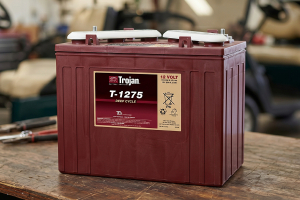
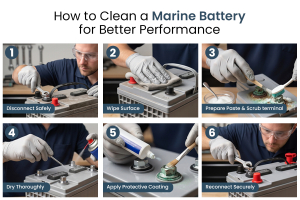
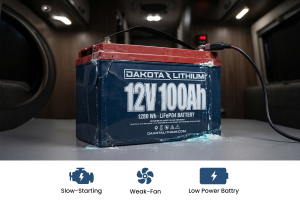
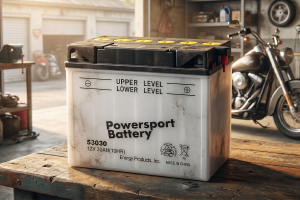
Since no two engines are exactly alike, it's best to check the manual. If you're dealing with an inboard motor, though, stop right here. Don't do a thing until you've turned on the ventilating blowers to clear any stray gas vapors. Skip this step, and the boat could blow up. Always make sure your marine battery is fully charged before departing. After starting the engine, wait a moment to ascertain that the motor is running smoothly. While you're at it, check to see that your safety equipment is in order. Turn on your GPS and sonar. Count the life jackets, and don't forget to put yours on.
Getting Underway in Your Boat
Before leaving the dock, make sure your tank is full. If you have to back out of a slip, shift the throttle into reverse and move slowly. Once you are safely out, cut the wheel sharply and proceed forward at a slow speed. Use this time to get the feel of the steering wheel. Some are more sensitive than others.
Once out of the marina, you can practice steering by making a few slow turns. Remember to keep an eye on the height of your motor in relation to the water's depth. Also, take special pains to stay out of the shallows at high water. If you don't, you could wind up beached when the tide goes out.
Know the Rules of the Water
The water has no white lines to guide you. If you want to avoid a collision, here's what you need to know:
-If one boat meets another head-on, each should pass on the right, giving one short blast of the horn to signal intention.
-When crossing paths, the vessel on the right has the right of way. The other must wait. ---Each should sound its horn once.
-An overtaking craft must announce its presence with one short blast if passing on the right and two if passing on the left.
-Five short horn blasts will warn other boaters of danger lying ahead.
-Never assume that everyone knows these rules. Many boaters do not.
Returning to the Dock
Do not race back through the marina. Instead, throttle down on your return. There should be no reason to hurry. The safety of boating has a lot to do with the common sense of the people driving the boats.