What Is a Trickle Charger? Everything You Need To Know
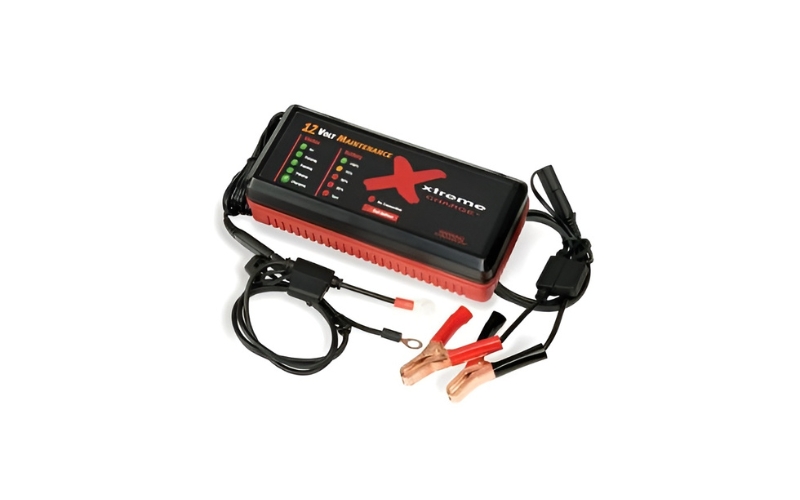
What Is a Trickle Charger? A trickle charger is a low-current battery charger designed to slowly recharge and maintain a battery over time. It helps prevent battery drain when a vehicle, RV, motorcycle, boat, or stored battery is not used regularly.
Unlike fast chargers, a trickle charger delivers power gradually. This makes it useful for keeping batteries topped up during storage, winter months, or long periods of inactivity. It is commonly used for lead-acid batteries, car batteries, RV batteries, and other rechargeable battery systems.
The main purpose of a trickle charger is battery maintenance, not quick charging. It helps extend battery life, reduce the risk of complete discharge, and keep your battery ready when you need it. For best results, always use a charger that matches your battery type and voltage.
What Is a Trickle Charger?
A trickle charger is a small device that slowly charges a battery over time. It provides a gentle, steady flow of electricity instead of a quick, full charge. This slow charging keeps the battery healthy and prevents damage from overcharging.
Trickle charging is like a slow IV drip for your battery. Just as an IV drip gives medicine steadily, a trickle charge delivers power gradually to keep the battery full without putting too much stress on it. So, what is trickle charging? It is a slow, steady charging method used to maintain battery power over time.
Trickle charging is like a slow IV drip for your battery. Just as an IV drip gives medicine steadily, a trickle charge delivers power gradually to keep the battery full without putting too much stress on it. So, what is trickle charging? It is a slow, steady charging method used to maintain battery power over time.
Why You Should Use a Trickle Charger?
You should use a trickle charger to keep your battery fully charged, prevent slow power loss, and extend battery life when your vehicle, RV, motorcycle, or equipment sits unused for long periods.
A trickle charger keeps your battery from going flat when you don’t use it often. It gives a small, steady flow of power that stops the battery from draining. This helps the battery last longer and saves you from buying a new one too soon.
It’s great for cars, boats, or motorcycles that sit for weeks or months. When you leave them parked, the battery slowly loses charge. A trickle charger prevents that and makes sure it’s ready to start when you need it.
This charger also protects the battery from damage. Batteries that sit too long can build up crystals inside, which weaken them. A trickle charger stops this problem and keeps the battery strong.
Most of all, a trickle charger saves you from worrying about dead batteries during long storage periods. Whether you park an RV for winter or a classic car in the garage, the battery stays ready.
How a Trickle Charger Works
A trickle charger works by sending a small, steady electrical charge to a battery, helping maintain its power level and prevent discharge when the vehicle, RV, or equipment is not being used.
A trickle charger works by sending a slow, steady charge to a battery to replace lost power and prevent full discharge. It helps maintain battery health during storage without overcharging when used correctly.
A trickle charger works by giving your battery a very small, steady amount of electricity. Think of it like filling a cup with a slow drip instead of pouring fast. This gentle flow keeps the battery healthy and prevents damage.
As it charges, the charger keeps an eye on the battery’s voltage. When the battery reaches a certain level, usually around 13.2–13.8 volts, it switches to float mode. Float mode is like keeping the cup just full without spilling, maintaining the battery at a safe, steady level.
The charger stays connected and maintains the battery over time. This means your battery stays ready to use without overcharging or wearing out.
If you want a slightly more technical view, a trickle charger moves through three stages. First is bulk charging, where most of the energy goes into the battery quickly.
Next comes absorption, which slows the charging to safely top off the battery. Finally, float mode keeps the battery at full charge, holding it there without extra stress.
Types of Trickle Chargers
Trickle chargers come in different types, each with its own benefits.
A trickle charger is a device that slowly sends a low amount of power to a battery to keep it charged. If you are wondering what is a trickle charger for car, it is mainly used when a vehicle sits unused for a long time and the battery needs steady maintenance.
The older constant-current version must be watched because it can overcharge the battery. Smart trickle chargers, also called maintainers, adjust automatically and switch to float mode when full. If you ask can I trickle charge a dead battery, the answer is sometimes yes, but only if the battery can still accept a charge.
Solar trickle chargers are perfect for off-grid situations. They use sunlight to slowly charge your battery. This is great for boats, RVs, or vehicles stored outside where electricity isn’t always available.
Not all batteries are the same, so it’s important to check compatibility. Most trickle chargers work with lead-acid batteries, AGM, Gel, and even lithium (LiFePO₄) batteries. Always make sure your charger matches your battery type to keep it safe and healthy.
Trickle Charger vs Other Charging Methods
A trickle charger fills your battery slowly and safely, keeping it healthy for the long term. Battery maintainers do a similar job, but they can top up the battery automatically without much attention. Float chargers also keep the battery steady, but trickle chargers are usually simpler and easier to use.
Regular chargers work faster and can fill a battery quickly, but that speed can stress the battery over time. Trickle chargers take it slow, which is gentler and better for long-term life.
Jump starters are different, as they give an instant boost to a dead battery. A trickle charger can’t do that because it needs the battery to already have some charge.
Here’s a quick look at how they compare:
| Method | Charging Speed | Battery Safety | Best For |
| Trickle Charge | Slow | High | Long-term battery care |
| Battery Maintainer | Slow | High | Forget-and-go topping up |
| Float Charger | Medium | High | Steady voltage maintenance |
| Regular Charger | Fast | Medium | Quick recharge needed |
| Jump Starter | Instant | Low | Dead battery emergency |
How to Connect a Trickle Charger
A trickle charger keeps your battery full and healthy by charging it slowly. Connecting it is simple if you follow the right steps.
First, make sure the charger is off and unplugged. This keeps you safe from sparks.
Find your battery and look for the plus sign (+) and minus sign (-). The plus is positive, and the minus is negative.
Attach the red clamp to the positive (+) terminal. Then put the black clamp on the negative (-) terminal. Make sure the clamps are tight and not touching each other or any metal around.
Plug the charger into the wall and turn it on. The battery will charge slowly and safely.
When the battery is full, turn off the charger and unplug it. Take off the clamps carefully, starting with the black one, then the red one.
When (and When Not) to Use a Trickle Charger
Use a trickle charger when storing a vehicle, RV, boat, motorcycle, generator, or battery for long periods. If you are wondering do trickle chargers work, yes, they help maintain battery charge and keep the battery ready when the vehicle is not used for weeks or months.
But is trickle charging bad? It can be bad if used incorrectly. Do not use a trickle charger on damaged, frozen, leaking, or incompatible batteries. Also, do not treat it as a fast charger, because it is designed for slow battery maintenance, not quick charging.
There are times when a trickle charger is not the right choice. It can’t bring a completely dead battery back to life, and it isn’t meant for fast charging or rapid recovery. Also, using the wrong type for your battery’s chemistry can be unsafe.
A simple way to decide: if you’re storing a battery for more than two weeks, a trickle charger is a good idea. If the battery is dead or needs a quick recharge, skip it and use a regular charger or jump starter instead.
Common Trickle Charger Problems & Solutions
Trickle chargers are great for keeping your batteries ready to use. They charge the battery slowly, but sometimes people face a few common problems. Here’s what can go wrong and how to fix it.
No Charging or Very Slow Charging
Sometimes your battery charges very slowly or not at all. This usually happens when connections are loose, dirty, or the battery terminals are corroded. You can clean the terminals with a wire brush or cloth, and make sure the clamps are tight.
Charger Doesn’t Turn On
If your charger won’t start, it might not be getting power or the cord could be damaged. Check the wall outlet, and inspect the cord for any issues. You can also try plugging it into a different outlet.
Charger Overheating
A charger can get too hot if it doesn’t have enough ventilation or has an internal problem. Move it to a cool, open space. If it still overheats, unplug it and let it cool before checking for damage.
Battery Not Holding a Charge
Sometimes the battery itself is the problem. It may be old, sulfated, or damaged. Use a multimeter to test it. If the charger works fine but the battery drains quickly, it’s probably time to replace the battery.
Incompatible Charger and Battery
Using the wrong charger can cause problems. For example, a lead-acid charger won’t work safely on a lithium battery. Always check that your charger matches your battery’s type and voltage.
Frequently Asked Questions
People often have questions about how trickle chargers work and how to use them safely. Here are answers to some of the most common questions, and answers to keep your battery charged and ready.
Can I leave a trickle charger on all the time?
Yes, you can leave a smart trickle charger connected for long periods without worry. It switches to low “float” mode when the battery is full, and it keeps the battery fully charged.
Will a trickle charger charge a dead battery?
A trickle charger cannot charge a completely dead battery. The battery must have a minimum charge before the charger can start safely. Smart chargers may help if the battery still holds some power.
How long does it take to charge a battery with a trickle charger?
A trickle charger charges slowly at a low, steady rate. Most batteries take 12–24 hours to fully charge, depending on size and condition. It’s slower but safer for long-term battery health.
Can I use a trickle charger on an AGM or Gel battery?
Yes, you can use a trickle charger on AGM or Gel batteries. Just make sure the charger is compatible with these types. Smart trickle chargers usually detect the battery type and adjust the charging safely.
Where do I connect a trickle charger to my car?
Connect the red clamp to the positive terminal (+) and the black clamp to the negative terminal (−) of the battery. If your battery is inside the car, follow the vehicle manual for proper grounding to avoid sparks.
Need Help With Your Trickle Charger?
Picking the right trickle charger can feel confusing. Our team is here to answer your questions. We’ll help you choose a reliable charger for your car, motorcycle, boat or RV.
Just call us at (866) 668-3163 for expert support.