Comparison Between UTV and ATV
Although a utility task vehicle (UTV) and an all-terrain vehicle (ATV) have similar characteristics, they are two distinct vehicles that are designed to perform different tasks. Both vehicles can operate in rough, off-road terrain and are usually powered by internal combustion engines. Some manufacturers also produce vehicles with electric motors that are powered by batteries. UTVs and ATVs are equipped with suspension systems and tires that are designed to go off road. The center of gravity in these vehicles is close to the ground to prevent rollovers in uneven terrain.
Different Laws Regarding Use on Roadways
The laws regarding the use of these vehicles will vary based upon their configurations. UTVs are more likely to operate on roadways than ATVs. Automakers manufacture UTVs with signal lights and safety equipment that are required to make the vehicle street legal. Most ATVs require aftermarket modifications in order to operate legally on roadways. Some jurisdictions prohibit people from driving ATVs on roads regardless of their modifications.
Different Ways to Use the Vehicles
ATV owners can install racks in their vehicles to transport tools and cargo. Some owners use their vehicles to remove snow or to inspect remote locations on their property. A UTV is ideally suited for hauling heavy loads. Drivers can equip their UTVs with accessories, such as winches, storage bins, saddle boxes, rear view mirrors and racks. A UTV usually has space the driver and one passenger on a bench seat, but some vehicles have bucket seats. Most ATVs only have room for the driver who sits astride the vehicle. Some ATVs can transport a passenger who sits behind the driver. The UTV has a steering wheel like a car, and the ATV uses handlebars similar to a motorcycle. The UTV may have safety features, such as a roll cage and windshield, which are usually not possible or standard on ATVs. UTVs are popular vehicles for groundskeepers, farmers, loggers, and construction workers who need to perform maintenance or other specialized tasks. ATVs are nimble off-road recreational vehicles that enable hunters, anglers, and other outdoor enthusiasts to access tightly wooded areas.

Maintaining the Battery
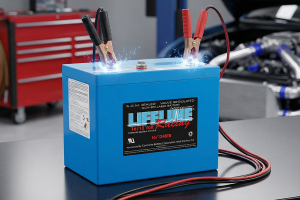
Whether the vehicle has an electric motor or an internal combustion engine, it is important that owners properly maintain the battery. An electric vehicle requires a deep-cycle battery, which owners must charge in accordance with the manufacturer’s guidance. A gas-powered vehicle needs a battery that is capable of producing the cranking amps needed to start the vehicle, especially if you are in the deep woods.
For more information about UTV or ATV batteries, contact your battery retailer.