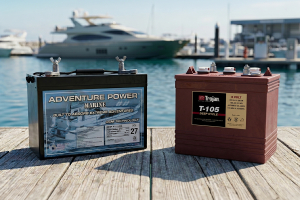
Top Car Batteries (The Facts You Have to Know)
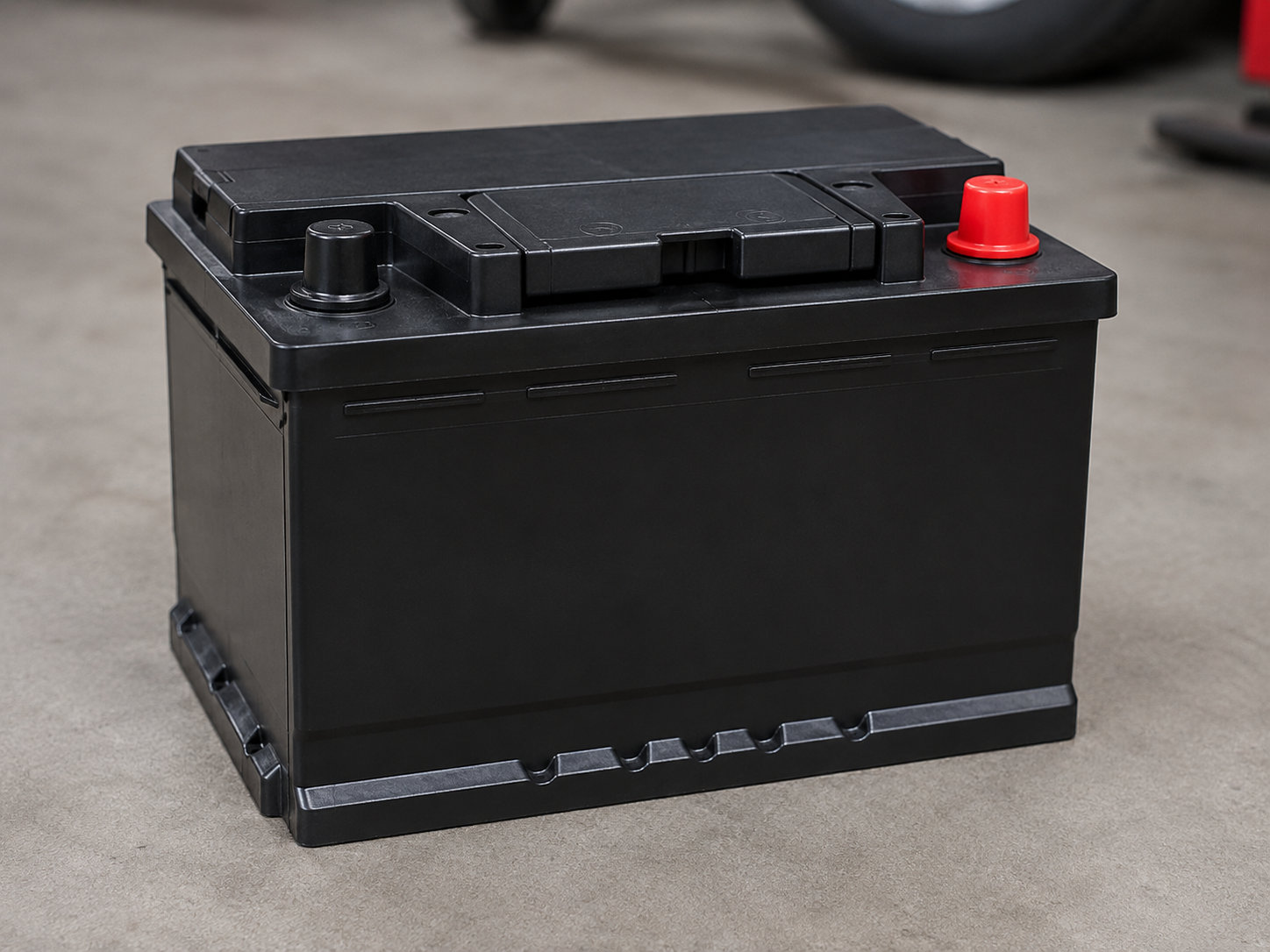
The top car batteries on the market are generally Odyssey, Optima, Interstate, DieHard, and Deka. These brands are known for strong starting power, long lifespan, durability, and dependable performance in a wide range of driving conditions.
Choosing the right car battery is essential because it affects your vehicle's starting reliability, electrical system performance, and overall driving experience. A high-quality battery can handle extreme temperatures, support modern vehicle electronics, and reduce the risk of unexpected breakdowns.
With so many battery options available, finding the best one can be challenging. Factors such as battery type, cold cranking amps (CCA), reserve capacity, warranty coverage, and compatibility with your vehicle all play an important role. Understanding these factors will help you select a battery that delivers reliable performance and long-term value.
Top Brands of Car Batteries
Following are five of the top-rated and most popular brands of top car batteries available today:
1. ACDelco – ACDelco is one of the most recognizable names in auto parts, and auto batteries are no exception. All ACDelco batteries are vigorously tested for quality and reliability. One of the best features of these batteries is their large electrolyte reservoirs, which ensure a long lifetime. ACDelco’s Professional Gold battery is top of the line, requires no maintenance and comes with a 4-year warranty.
2. DieHard – DieHard representatives state that they produce "America’s most preferred automotive battery," and many car owners and mechanics will back up this claim. DieHard batteries are notable for having a lifespan that is longer than other leading brands. The top battery in this brand is the DieHard Platinum. It is a sealed, maintenance-free battery that comes with 4-year replacement warranty and a 100-month limited warranty.
3. Duralast – Duralast batteries are built to adhere to strict quality standards. They use a Solidium welding system to prevent corrosion and use a specially formulated negative paste and Circatech negative plates to improve performance and eliminate short circuiting. The Duralast Platinum is this brand’s top model. It resists vibration for longer life, requires no maintenance and comes with a 3-year replacement warranty.
4. Champion – Champion batteries were once the most popular automotive batteries in the country. Although the company has lost a lot of its market share, it still produces quality and affordable products. Champion batteries use PowerFrame Grid technology to eliminate premature failure and are engineered to work at peak performance in all weather conditions. The top Champion battery is the Champion Pro, which offers a 3-year replacement warranty.
5. Optima – Optima batteries are among the most expensive on the market, but they may very well be the number one battery in the U.S. when it comes to quality and performance. The top Optima automotive battery is the Optima Redtop. It was originally designed for SUVs, trucks and sports cars but can be used with nearly any make and model. It lasts up to twice as long as other leading batteries and has a 3-year warranty.
What Are the Top Car Batteries?
Choosing the right car battery is one of the most important decisions for vehicle reliability. A battery does far more than start your engine—it powers your vehicle's electrical systems, supports onboard electronics, and ensures consistent performance in all weather conditions. With dozens of brands and battery types available, understanding which batteries perform best can help you make a smarter purchase.
Some of the top car battery brands include Odyssey, Optima, Interstate, DieHard, Deka, ACDelco, and EverStart. These manufacturers have built strong reputations for reliability, long service life, and excellent starting performance.
Odyssey batteries are known for their exceptional durability and high reserve capacity. They are often chosen by drivers who demand premium performance and maximum lifespan. Optima batteries are recognized for their unique spiral-cell design, which provides strong vibration resistance and dependable starting power.
Interstate batteries remain a popular choice because of their balance between affordability and reliability. DieHard batteries offer dependable performance across various vehicle types, while Deka batteries are respected for their manufacturing quality and long-lasting construction.
ACDelco batteries are commonly found in General Motors vehicles but work well in many other applications. EverStart batteries provide a budget-friendly option while still delivering solid performance for everyday drivers.
While brand reputation matters, the best battery ultimately depends on your vehicle's requirements, climate, and driving habits.
Why Choosing the Right Car Battery Matters
Many drivers only think about their battery when it fails. However, selecting the right battery can significantly affect vehicle performance, reliability, and maintenance costs.
A properly matched battery ensures your engine starts consistently. Vehicles require a certain amount of power to crank the engine, especially during cold weather. If the battery lacks sufficient cold cranking amps (CCA), starting problems can occur.
Modern vehicles also place greater demands on batteries than ever before. Features such as infotainment systems, GPS navigation, heated seats, power windows, safety sensors, and start-stop technology all rely heavily on battery performance. An underpowered battery may struggle to support these systems efficiently.
Choosing the correct battery also helps protect your vehicle's electrical components. A weak or failing battery can create voltage fluctuations that may affect sensitive electronics. Over time, these issues can lead to costly repairs.
Climate is another important consideration. Drivers in cold regions need batteries with higher CCA ratings, while drivers in hot climates should focus on batteries designed to withstand heat-related degradation. Extreme temperatures are one of the leading causes of battery failure.
Battery lifespan is also affected by choosing the right model. A battery that matches your vehicle's specifications is more likely to operate efficiently and last longer. Although premium batteries may cost more initially, they often provide better long-term value through improved durability and reduced replacement frequency.
Ultimately, selecting the right battery improves reliability, reduces the likelihood of breakdowns, and ensures your vehicle performs as intended.
Types of Car Batteries
Understanding the different types of car batteries is essential when comparing options. Each type offers unique advantages and limitations.
Lead-Acid Batteries
Traditional flooded lead-acid batteries remain one of the most common battery types. These batteries contain liquid electrolyte and have been used in automobiles for decades.
Their biggest advantage is affordability. Lead-acid batteries are generally less expensive than advanced battery technologies, making them attractive for budget-conscious drivers.
However, they typically require more maintenance and have shorter lifespans compared to AGM batteries. They are also more susceptible to vibration damage and may perform less effectively in extreme weather conditions.
AGM Batteries
AGM (Absorbent Glass Mat) batteries represent one of the most significant advancements in automotive battery technology.
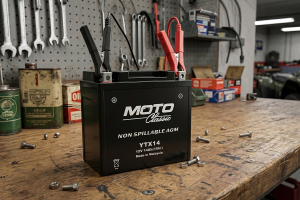
Instead of using free-flowing liquid electrolyte, AGM batteries absorb the electrolyte into fiberglass mats. This design improves durability, reduces maintenance requirements, and increases performance.
AGM batteries offer stronger starting power, faster recharge rates, and better resistance to vibration. They are commonly used in vehicles equipped with start-stop systems and numerous electronic features.
Although AGM batteries cost more than traditional lead-acid batteries, many drivers find the additional reliability worth the investment.
Enhanced Flooded Batteries (EFB)
Enhanced Flooded Batteries serve as a middle ground between traditional flooded batteries and AGM batteries.
EFB batteries provide improved cycle life, better charging acceptance, and greater durability than standard flooded batteries. They are often used in entry-level start-stop vehicles.
While they do not offer all the advantages of AGM batteries, they provide a cost-effective upgrade over conventional lead-acid technology.
Lithium Batteries
Lithium batteries are becoming increasingly popular in performance vehicles and electric applications.
Their biggest advantage is weight reduction. Lithium batteries are significantly lighter than lead-acid or AGM batteries, making them attractive for racing and high-performance applications.
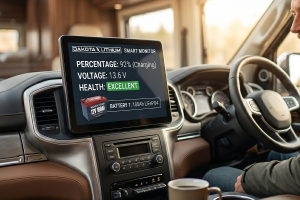
They also offer excellent energy density and long service life. However, their high purchase price limits their use in most everyday passenger vehicles.
AGM vs Lead-Acid Car Batteries
One of the most common comparisons among car owners is AGM versus traditional lead-acid batteries. Both technologies have strengths, but AGM batteries generally provide superior overall performance.
The most obvious difference is construction. Lead-acid batteries contain liquid electrolyte that moves freely within the battery. AGM batteries use fiberglass mats to hold the electrolyte in place.
This design gives AGM batteries several advantages. They are sealed, maintenance-free, and less likely to leak. They can also withstand vibration better, making them ideal for vehicles driven on rough roads.
Starting performance is another area where AGM batteries excel. They generally provide higher cold cranking amps and more reliable starts during cold weather.
Recharge efficiency also favors AGM technology. AGM batteries typically recharge faster and recover more effectively after deep discharge events. This characteristic is especially beneficial for vehicles with heavy electrical loads.
Lifespan is another important consideration. While battery life varies depending on usage and climate, AGM batteries often last longer than traditional flooded batteries when properly maintained.
Cost remains the primary advantage of lead-acid batteries. They are less expensive upfront and may be sufficient for older vehicles with minimal electrical demands.
For drivers seeking maximum reliability, durability, and performance, AGM batteries are usually the better choice. For budget-conscious drivers with basic transportation needs, traditional lead-acid batteries may still provide satisfactory performance.
Tips to Extend Car Battery Life
Regardless of which battery type you choose, proper maintenance can significantly extend its lifespan.
One of the most important practices is keeping battery terminals clean. Corrosion on battery terminals can interfere with electrical connections and reduce charging efficiency. Inspect the terminals regularly and clean any buildup when necessary.
Driving your vehicle regularly also helps maintain battery health. Batteries naturally discharge over time, and frequent driving allows the alternator to recharge them. Vehicles left unused for extended periods are more likely to experience battery problems.
Avoid leaving lights, accessories, or electronics running when the engine is off. Even small electrical loads can drain a battery if left connected for long periods.
Extreme temperatures can shorten battery life. During hot weather, excessive heat accelerates internal chemical degradation. During winter, cold temperatures reduce available starting power. Parking in a garage or shaded area can help reduce environmental stress.
Using a battery maintainer or trickle charger is highly beneficial for seasonal vehicles. These devices keep the battery properly charged during storage without overcharging it.
Regular battery testing can also identify problems before they become serious. Many auto parts stores offer free battery testing services that can help monitor battery condition.
Proper charging system maintenance is equally important. A failing alternator can undercharge or overcharge the battery, significantly reducing its lifespan. If you notice dim lights, slow cranking, or charging warnings, have the charging system inspected promptly.
Finally, always choose a battery that matches your vehicle's specifications. Using an undersized battery can place excessive stress on the electrical system and shorten battery life.
By following these simple maintenance practices, drivers can maximize battery performance, reduce unexpected failures, and get the most value from their investment.
No Single Brand Is Best
Although the above automotive batteries are the top-rated batteries on the market, the Hartford Courant reports that no single brand of battery is best for all cars and driving conditions. Different brands specialize in batteries for particular cars and conditions. Understanding which one is best for a specific car can be determined only through research and consumer reviews. Additionally, if you do buy a new car battery, you might consider buying a smart battery charger to make sure it lasts longer so you don't have to replace it again in the future.
Frequently Ask Questions (FAQs)
What are the top car batteries?
Top car batteries are usually AGM, enhanced flooded, and maintenance-free lead-acid batteries that offer strong starting power, long life, and reliable performance in different weather conditions.
How do I choose the best car battery?
Choose a car battery based on your vehicle’s battery size, cold-cranking amps, reserve capacity, terminal position, driving habits, and manufacturer requirements.
Are AGM car batteries better?
Yes, AGM batteries are better for vehicles with start-stop systems, heavy electronics, or extreme weather needs. They last longer and handle deep cycling better than standard flooded batteries.
How long does a car battery last?
Most car batteries last 3 to 5 years, depending on climate, driving style, battery type, charging condition, and vehicle power demand.
What are signs I need a new car battery?
Common signs include slow engine cranking, dim headlights, dashboard battery warning light, clicking sounds when starting, corrosion around terminals, and frequent jump-starts.
Wrapping Up!
Choosing from the top car batteries comes down to reliability, fit, and performance. A good battery should start your vehicle smoothly, handle your climate, and support your car’s electrical needs without failing early.
Before buying, check the correct battery size, cold-cranking amps, reserve capacity, terminal layout, and warranty. Do not choose only by price. A cheap battery that fails early can cost more in the long run than a stronger, properly matched option.