What is Sulfation and How Does it Affect My Battery?
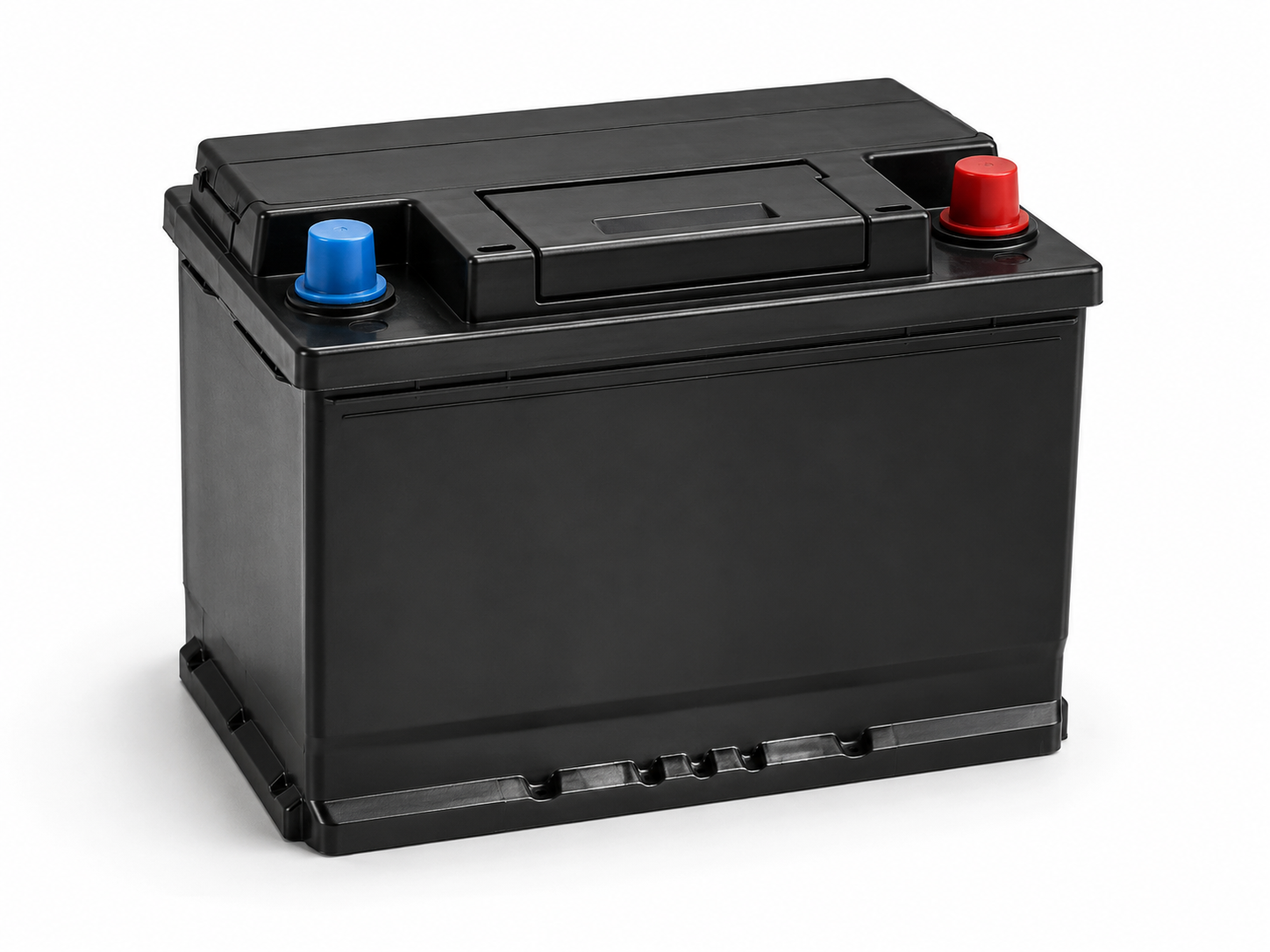
Sulfation is the buildup of lead sulfate crystals on a battery’s plates, usually in lead-acid batteries. It happens when a battery stays discharged too long, is undercharged, or is repeatedly used without proper recharging. Sulfation reduces the battery’s ability to hold and deliver power.
When sulfation builds up, the battery charges slower, loses capacity, and may struggle to start engines or power devices. Over time, the crystals harden and block the chemical reaction needed for normal battery performance.
Mild sulfation can sometimes be reduced with proper charging or a smart charger’s desulfation mode. Severe sulfation is often permanent and usually means the battery needs replacement. The best prevention is keeping the battery fully charged, avoiding deep discharge, and using a maintainer during long storage.
What is Sulfation and How Does it Affect My Battery?
Sulfation is the buildup of lead sulfate crystals on a battery’s plates, usually caused by low charge or long storage. It reduces the battery’s ability to hold and deliver power, making it weaker, slower to charge, and more likely to fail early.
Sulfation occurs when the electrolyte solution begins to break down. Sulfur in the solution essentially leaches from the electrolyte and sticks to the lead plates as converted lead sulfuric crystals. These crystals coat the plates and prevent them from doing their job the next time you power up. At the same time, the electrolyte solution becomes weaker because it then lacks the sulfuric acid that has converted to crystals, which then interferes with the ability of the battery to accept, hold and deliver a charge.
Stage One of sulfation may be an initial form that reduces quick starting but will be absorbed back into the electrolyte when charged. With more time, sulfation progresses and a battery may require a greater charge. The final stage is when the battery is simply not able to be charged at all.
 While lack of regular use certainly contributes to the build-up of sulfation, it isn’t true that batteries won’t develop the sulfation if always kept fully charged. In truth, all lead-acid storage batteries, including the new sealed “dry batteries,” will develop sulfate during their lifetime. Batteries that are overcharged, undercharged and left discharged can develop sulfate.
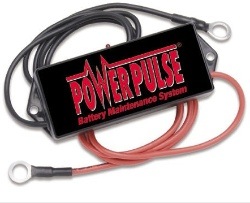
So, how do you avoid sulfation? Proper maintenance and your use will extend the life of your battery. In addition, utilizing a desulfator will also prevent and reverse the effects of sulfation and save you lots of money! Desulfators use patented pulse technology to gently break down and remove hard crystallized sulfur deposit so that your battery can receive a full charge and provide optimum power output once again. Impact Battery stocks and sells and a variety of PulseTech Chargers and Desulfators. Consider it an upfront investment to keep your battery working in peak performance, and save you money in the long run.
What Causes Battery Sulfation?
Battery sulfation is mainly caused by poor charging habits. Leaving a battery sitting unused while discharged is one of the biggest causes. This often happens with cars, boats, motorcycles, RVs, and backup batteries that are stored for long periods.
Undercharging can also cause sulfation. If the battery is never fully charged, lead sulfate keeps building up inside. Frequent deep discharge, extreme heat, and old age can make the problem worse.
Signs of a Sulfated Battery
A sulfated battery usually shows weaker performance, slower charging, and reduced power output. Sulfation happens when lead sulfate crystals harden on the battery plates, making it harder for the battery to accept, store, and deliver energy.
Slow Charging
One common sign of a sulfated battery is slow charging. The battery may stay on the charger for hours but still fail to reach a full charge. This happens because the hardened sulfate buildup blocks the plates from working properly.
Battery Drains Quickly
A sulfated battery often loses power faster than normal. It may seem fully charged at first, but the charge drops quickly during use. This means the battery can no longer hold energy efficiently.
Low Voltage Reading
If you test the battery with a voltmeter and the reading is lower than expected, sulfation may be the reason. A healthy fully charged 12V battery usually reads around 12.6V or higher. A sulfated battery may show a lower voltage even after charging.
Weak Starting Power
For vehicle batteries, sulfation can cause weak cranking or slow starting. The battery may not deliver enough power to start the engine properly. You may hear slow cranking, clicking, or notice the vehicle struggling to turn on.
Charger Shows Full Too Fast
Sometimes a sulfated battery tricks the charger. The charger may show “full” quickly, even though the battery does not actually have usable power. This happens because sulfation affects how the battery accepts charge.
Poor Performance Under Load
A battery may look fine when tested without load, but fail when power is needed. For example, lights may dim, motors may run slowly, or equipment may shut down quickly. This is a strong sign the battery has lost real capacity.
Battery Gets Hot While Charging
A sulfated battery may heat up during charging because it struggles to absorb energy. Too much heat is not normal and can be a warning sign of internal battery problems.
Frequent Need to Recharge
If the battery needs charging more often than before, sulfation could be reducing its storage capacity. The battery may still work, but it will not last as long between charges.
In short, sulfation makes a battery weaker, less reliable, and harder to charge. Catching the signs early can help you decide whether the battery needs maintenance, reconditioning, or replacement.
Can Sulfation Be Fixed?
Mild sulfation can sometimes be reduced with proper charging. Some smart battery chargers have a desulfation or repair mode that may help break down soft sulfate buildup.
But severe sulfation is usually permanent. Once the crystals harden too much, the battery plates may be damaged. At that point, replacing the battery is often the only realistic solution.
How to Prevent Battery Sulfation
The best way to prevent sulfation is to keep the battery properly charged. Do not leave a lead-acid battery sitting discharged for long periods. Recharge it after use and use a battery maintainer during storage.
Also, avoid frequent deep discharges unless the battery is designed for that purpose. Store batteries in a cool, dry place and check voltage regularly if the battery is not used often.
Conclusion
Sulfation is one of the main reasons batteries become weak over time. When lead sulfate crystals build up on the battery plates, the battery cannot charge or deliver power properly. This leads to slow charging, quick power loss, lower voltage, and poor performance under load.
The honest takeaway is simple: sulfation should not be ignored. If caught early, proper charging or maintenance may help. But if the buildup becomes severe, the battery may lose capacity permanently and need replacement.
FAQs About Battery Sulfation
What is battery sulfation?
Battery sulfation is the buildup of lead sulfate crystals on the plates inside a lead-acid battery. It limits the battery’s ability to charge and deliver power.
What causes sulfation in batteries?
Sulfation is usually caused by leaving a battery discharged, undercharging it, storing it without maintenance, or repeatedly deep discharging it.
Can a sulfated battery be repaired?
Mild sulfation may be improved with proper charging or a smart charger’s desulfation mode. Severe sulfation is usually permanent.
How do I know if my battery is sulfated?
Signs include slow charging, fast power loss, weak starting power, low voltage, and reduced runtime even after charging.
How can I prevent sulfation?
Keep the battery fully charged, recharge after use, avoid deep discharge, and use a battery maintainer when storing it for a long time.
Update: Other Resources Regarding Battery Sulfation
FAQs answered: Battery Desulfation Frequently Asked Questions
Blog, first published 2011-07-08: Real Life Story About the PulseTech Xtreme Desulfating Charger XC100-P
Blog, first published 2013-02-22: Questions Regarding Whether or Not Battery Desulfators Work.
Product information: Impact Battery Sulfation Removal Products