How Much Does a Marine Battery Weigh? Get the Truth
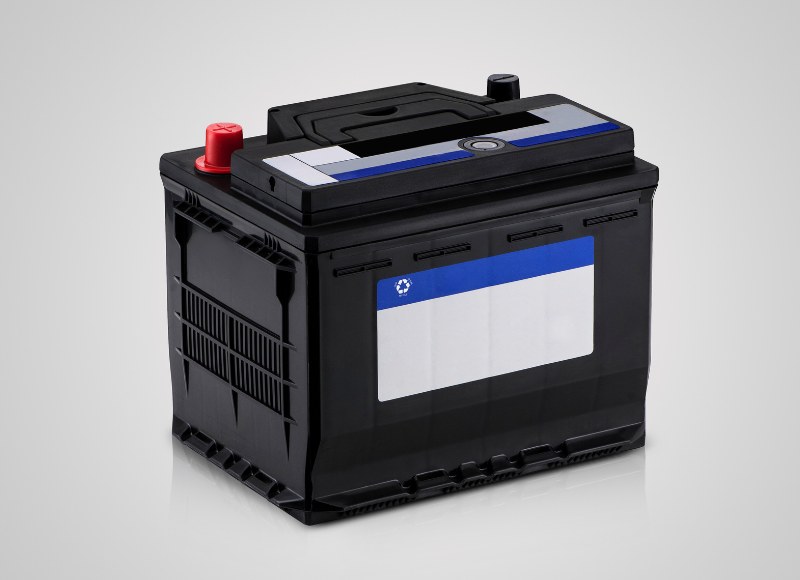
Suppose you’re at the dock, getting ready to change the battery in your fishing boat or weekend cruiser. That moment makes you ask a common question: how much does a marine battery weigh, and why should it matter? It’s not just about lifting. Battery weight affects how your boat runs, fits, and handles energy.
Marine batteries usually weigh between 30 and 80 pounds, based on chemistry, BCI group size, and capacity. That weight affects runtime, how the battery fits inside your boat, and how easily you can move it.
This guide explains how battery weight connects to chemistry, group size, and amp-hour ratings. It also compares AGM and LiFePO₄ designs and shows how weight reflects stored energy. You’ll learn how that weight affects runtime, safety, and fit.
Why Marine Battery Weight Matters for Every Power Setup
Battery weight affects more than lifting or storage. It plays a key role in how your system performs. On the water or the road, weight impacts balance, safety, and how your battery stores and delivers power efficiently. It connects directly to performance and reveals how well your setup can hold and use energy.
A heavy marine battery can shift a boat’s trim and lower its speed and fuel efficiency over time. Poor balance makes steering harder and can reduce control when moving through choppy water. The right battery weight improves handling and protects your storage areas from long-term stress while helping your boat perform better and maintain energy density over extended use.
For anglers, runtime matters. A heavier battery runs electronics and trolling motors longer, which helps on extended fishing trips. But when the weight sits too far at the stern, it can throw off balance and make casting feel unstable. A balanced battery setup keeps the deck steady and helps performance stay strong across the day.
RV users face different challenges. Heavy batteries affect mounting strength, center of gravity, and overall driving experience on long road trips. Poor installation adds frame pressure and drag that shorten component life and reduce safety over time. A properly sized battery gives lasting power without stressing your RV’s structure or ride quality.
What Makes One Marine Battery Heavier Than Another
So now we know why battery weight matters. But what actually makes one marine battery heavier than another? It usually comes down to what’s inside. The parts that store energy, such as the plates, electrolyte, and casing, can add weight quickly.
1. Capacity and Plate Volume
Batteries with higher amp-hour ratings contain more lead plates stacked inside. Each extra plate adds weight, especially when tightly packed for long runtimes. A 100Ah battery will always weigh more than a 50Ah battery, because more energy storage needs more material. Thicker plates or double-stacked cells also raise the battery's mass.
2. Battery Chemistry and Internal Materials
Not all chemistries are built the same. Flooded batteries weigh more because they contain free-flowing liquid electrolyte and thicker lead grids. AGM models weigh slightly less since the electrolyte is absorbed into glass mats. Gel batteries are similar but still heavier than lithium. LiFePO₄ batteries are the lightest. They use fewer heavy materials and a different structure to hold the charge.
3. Casing, Terminals, and Structural Add-ons
Weight isn't just about what’s inside. Strong outer cases with extra reinforcements, larger terminals, or protective vents also add pounds. Some models include internal supports or shock protection for marine use. Those extras improve durability, but they raise the total battery weight more than most realize.
How Much Does a Marine Battery Weigh by Type and Size
Now that we understand what adds weight inside a battery, let’s compare how much different types actually weigh. Each battery chemistry has its own balance of lead, liquid, casing, and size. These differences show up clearly when you look at weight by BCI group.
Here’s a quick comparison chart to see how four common marine battery types stack up:
| Battery Type | Chemistry | BCI Group | Avg Weight (lbs) | Typical Use |
| Flooded | Lead | 24-31 | 45-75 | Starting / Deep Cycle |
| AGM | Lead | 24-31 | 50-65 | Dual Purpose |
| Gel | Lead | 27-30 | 55-70 | Steady Discharge |
| LiFePO₄ | Lithium | 24-31 | 20-35 | Portable / Trolling |
Now that you’ve seen the numbers, it helps to understand how each battery type gains its weight. The numbers show more than size. They reveal the chemistry, materials, and purpose behind every design.
Flooded Batteries:
These are the most common and also some of the heaviest. Flooded batteries contain free-flowing liquid electrolyte and thick lead plates. Their BCI group ranges from 24 to 31, which covers the most common marine compartments.
Most units weigh between 45 and 75 pounds, which depends on their amp-hour capacity. You’ll often find these in older boats used for starting engines or running trolling motors short-term.
AGM Batteries:
AGM models still use lead but hold their liquid in glass mats instead of open cells. That design makes them spill-proof and more vibration-resistant. They typically fall in the 24 to 31 BCI group range and weigh between 50 and 65 pounds. These are great for users who need a dual-purpose battery that handles both starting and deep cycle loads.
Gel Batteries:
Gel types also use lead but suspend the electrolyte in a gel-like substance. That extra material adds to the weight. Most gel batteries sit within BCI group 27 to 30 and weigh 55 to 70 pounds. They are often used for a steady power supply in systems that need slow, stable discharge over long periods.
LiFePO₄ Batteries:
This lithium-based option is much lighter than any lead-acid type. These batteries are often found in groups of 24 to 31 and weigh only 20 to 35 pounds.
Their lightweight build makes them ideal for trolling motors, portable setups, or any situation where weight reduction improves performance. Lithium units can cut total battery system weight by up to 60 percent without losing runtime or reliability.
12-Volt Marine Battery Weights and Real-World Examples
Many boat owners ask how much a 12-volt marine battery actually weighs once you pick a specific purpose. These examples show how chemistry, amp-hour rating, and intended use all shape the final weight.
If your boat needs a powerful kick to start in cold weather, a starting battery with high CCA is ideal. The Odyssey ODX-AGM31 is a strong example. Built with thick lead plates and AGM tech, it delivers serious power. It weighs around 77 pounds and is perfect for engines that need a reliable burst of energy without delay.
If you’re running trolling motors, fish finders, or electronics for hours, a deep-cycle marine battery is a better fit. The Lifeline GPL-27T holds dense plates for long, steady discharges. It weighs about 63 pounds and is trusted by serious boaters who care more about runtime than quick ignition.
If your setup needs both starting strength and deep cycling, a dual-purpose battery covers both. The Optima D31M balances solid CCA with a stable reserve capacity. It weighs about 59 pounds. That makes it a smart choice for boats that rely on one battery to handle everything.
Pro Tip: Always check the label for the weight listed in pounds or kilograms before mounting or shipping. Even a few pounds difference can affect your boat’s balance, lift points, or delivery cost.
Trolling Motor Batteries and Bank Weight Planning
Most systems need more than one battery, especially as thrust and runtime demands go up. Each boat type requires a different battery setup, and total bank weight can affect handling and performance.
| Boat Type | Thrust | Setup | Total Weight | Typical Chemistry |
| Kayak | 55 lb | 1×12 V | 40-50 lbs | LiFePO₄ |
| Pontoon | 70 lb | 2×12 V | 95-110 lbs | AGM |
| Bass Boat | 112 lb | 3×12 V | 140-165 lbs | Flooded or Lithium Bank |
A kayak with a 55-pound thrust motor can run well on one 12V battery. In most cases, boaters choose LiFePO₄ for this setup. Lithium keeps the total bank weight between 40 and 50 pounds. That weight is easy to lift, won’t strain the hull, and lets the kayak track cleanly in light current.
A pontoon setup often includes a 70-pound thrust motor wired to two 12V batteries. This creates a 24V system with longer runtime. AGM batteries are common in pontoons because they’re stable, sealed, and reliable. The bank weight usually falls between 95 and 110 pounds. Group size and capacity influence the final weight.
Bass boats need power. A 112-pound thrust motor pulls a lot of current, so most setups use three 12V batteries. This creates a 36V system that weighs 140 to 165 pounds. The total depends on group size and battery chemistry. Many pros choose lithium banks to cut weight while keeping the same runtime.
Battery Bank Weight Calculator: Estimate Total Load
Smart boaters plan their battery bank weight before any installation to avoid surprises and safety issues. Many boaters forget to count trays, connectors, or cables.
These small parts can add a surprising amount of weight to your system. That’s why estimating everything early makes your installation safer and more balanced.
Here’s a simple way to estimate total weight using your battery specs, connectors, and mounting parts together.
Step 1: Start with the battery itself. Look for the label that shows the weight in pounds or kilograms.
Step 2: Multiply that number by the total number of batteries in your system. This gives the core weight.
Step 3: Add 5 pounds per battery to account for mounting hardware like brackets, clamps, and trays.
Step 4: Add 2 to 3 more pounds for the cables that connect each unit in the battery bank.
Step 5: Combine all these numbers. This total shows how much your battery bank will weigh after full installation.
Let’s say that if you use three 45-pound AGM batteries, the battery weight is 135 pounds. Add 15 pounds for mounting hardware and about 5 pounds for cabling. The final weight comes out to 155 pounds.
Always confirm your boat’s rated weight capacity. Never exceed what the vessel can safely support.
Battery Placement, Trim Balance, and Fuel Efficiency
A poorly positioned battery bank can do more than throw off balance. It affects how your boat rides, how much fuel it burns, and how stable it feels under pressure. When weight sits too far back, your trim lifts and speed drops. If the weight sits too high or off-center, the boat becomes harder to steer and less stable in waves. Good placement keeps everything safer, smoother, and more efficient.
Every boat needs a different battery layout depending on its size, shape, and weight distribution. Where you place the tray, how close it sits to the centerline, and how low it mounts can all impact performance. If the battery tray vibrates or shifts, that can also wear down cables, terminals, and clamps faster than expected.
Bass Boat: Mount batteries low and centered between the stringers. That keeps the lift balanced and cornering tighter at higher speeds.
Pontoon: Avoid placing batteries far back near the corners. Trim balance improves when they stay close to the center.
Sailboat: Mount your battery bank below the waterline and near the keel. This keeps the boat from leaning.
A smart layout saves energy and makes every trip easier. A balanced setup extends battery life and saves fuel.
Handling and Transporting Heavy Marine Batteries Safely
Heavy marine batteries are powerful but awkward to move. If you lift or carry them the wrong way, injuries or damage can happen fast. Installation is only one part of the job. You also need to handle batteries safely during transport, maintenance, and storage. These safety steps can help you avoid common mistakes.
Use a lifting strap or battery handle for anything near or above 60 pounds in weight.
Ask for help when lifting batteries that weigh over 70 pounds. Always use two people for heavy units.
Secure the battery using tie-downs, straps, or a bracket when transporting or loading it into a boat.
Keep vent caps dry and closed to prevent acid leaks or gas exposure during movement or vibration.
Wear gloves whenever handling the battery to protect your hands from acid residue and loose corrosion.
Use a plastic or sealed battery box to protect it from shifting or tipping during trailer movement.
Proper battery handling extends their life and keeps everyone around you safe. One good lift is better than two bad ones. Stay alert, stay balanced, and double-check everything before transport.
Shipping Weight vs Net Weight Explained
Weight labels can feel confusing until you understand what each number actually includes. One reflects the bare battery. The other covers extras like manuals, packaging, or hardware. This difference matters when estimating cost, load, or tray space.
| Type | What It Includes | Importance |
| Shipping Weight | Battery, box, packaging, manuals, straps, or mounting extras | Used for freight, returns, and delivery quotes |
| Net Weight | Just the battery without anything attached or boxed | Helps during mounting or tray fit planning |
| Weight Variance | Often 5-12 lbs heavier due to extra materials | Can cause confusion during installation checks |
| Used For | Shipping labels, core returns, and warranty processing | Set up, lifting, storage, and load balance steps |
Some buyers feel surprised when two weights show up on the label. But each number serves its own purpose. Use shipping weight for freight or warranty returns. Use net weight when planning installation or handling. This helps avoid load problems, tray issues, and shipping cost errors.
Marine vs RV and Off-Grid Battery Weights
Battery needs change across RV, marine, and solar systems. Each setup puts weight and durability to the test.
| Type | Avg Weight | Casing Strength | Typical Use |
| Marine | 50-80 lbs | High | Boats and watercraft |
| RV | 45-70 lbs | Medium | Recreational vehicles |
| Solar / Off-Grid | 40-65 lbs | Medium | Cabins, sheds, small systems |
Marine batteries are built tougher for harsh movement, water spray, and steady vibration. Their cases are stronger, and they often weigh more. RV batteries trade weight and casing strength for easier transport and flexible mounting options.
Off-grid batteries usually sit still, so their design focuses more on long storage life than movement. The right battery type depends on your system’s motion, mounting position, and required runtime.
BCI Group Size Chart: Typical Weights by Chemistry
Different battery chemistries don’t just affect cost or performance. They also impact the total weight you’ll be working with. That’s especially important when selecting the right BCI group size for your setup.
Here’s how common 12-volt batteries compare across Flooded, AGM, Gel, and LiFePO₄ formats:
| Group | Flooded | AGM | Gel | LiFePO₄ |
| 24 | 46 lbs | 51 lbs | 52 lbs | 24 lbs |
| 27 | 60 lbs | 62 lbs | 65 lbs | 29 lbs |
| 31 | 68 lbs | 75 lbs | 72 lbs | 33 lbs |
Heavier chemistries deliver more runtime, while lithium cuts weight in half for easier handling and mounting.
FAQs
Still have questions? Here are a few more things people often want to know about marine battery weight and safety.
Does battery weight affect trolling motor speed?
Yes, heavier battery banks can reduce speed by increasing drag or shifting trim. Lithium batteries help reduce total load, which improves efficiency, handling, and speed for trolling motors, especially on lighter boats like kayaks.
What is the lightest marine battery I can buy?
LiFePO₄ (lithium iron phosphate) batteries are the lightest option. Some models weigh as little as 20-25 pounds in Group 24 size. They offer the same runtime with less strain on your boat’s lift and performance.
Can I mix battery chemistries to save weight?
No, mixing different chemistries like AGM and lithium can damage your system. Each type charges differently. Always use matching batteries from the same brand, voltage, and age to keep your setup safe and balanced.
How do I know if my boat can handle the battery weight?
Check your boat’s owner manual or nameplate for maximum load rating. Compare it with your total battery bank weight, including trays and cables. Never exceed that limit, even if the space physically allows it.
Do lithium batteries need special mounting due to weight?
Lithium batteries are lighter, but they still need secure mounting. Use a proper tray or battery box with straps. Vibration, bouncing, or impact can damage even lightweight units if left unrestrained in the boat.
Conclusion
Battery weight does more than add load. It affects balance, runtime, safety, and how your boat handles every trip. A smart choice is not always the lightest. The best battery is the one that fits your setup correctly. Group size, chemistry, and layout all shape long-term performance.
Before buying, check your boat’s load rating, tray size, and mounting space. Then match the right battery to the job. With the proper setup, you get smoother rides, longer hours on the water, and fewer issues over time.