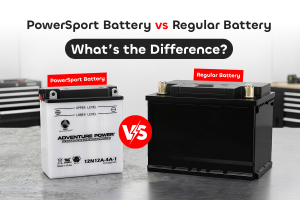
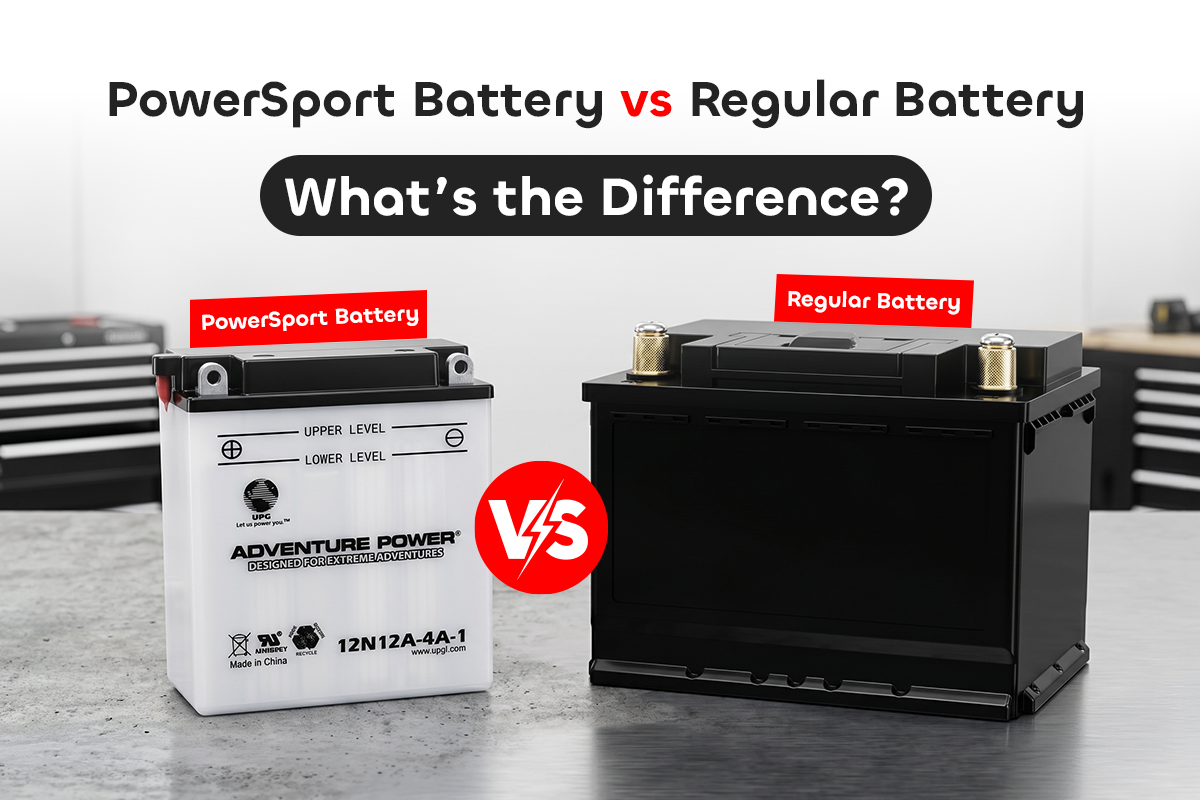
PowerSport Battery vs. Regular Battery: What’s the Difference?
Riders need a strong start for every trip. Each machine requires the right power to handle the road. Vehicle owners often ask about the best power source for their needs.
People in the USA buy many types of batteries for different machines. The PowerSport Battery vs. Regular Battery debate helps you choose the correct battery type. The right choice helps protect the vehicle and gives steady starts.
This article covers the major differences in design. We help you find the best fit for your machine. But first, let’s find out what exactly a PowerSport battery is.
What Is a PowerSport Battery
A PowerSport battery is a compact battery made for sport and leisure vehicles. It gives a strong starting power from a small case.
A motorcycle battery is one common type. An ATV battery and a UTV battery also fall under this group.
These batteries fit small trays. They also handle vibration from trails and rough roads.
A strong PowerSport battery can support lights and screens. It can also support winches and starter motors. Some models also support heated grips and GPS units.
Now, let’s focus on what a regular battery is.
What Is a Regular Battery
A regular battery is what most people use in cars. These batteries are large and heavy boxes. They sit in the front of a sedan or a truck.
A regular battery provides power to the starter. It also runs the air system and the radio. These batteries do not need to be small.
Cars have a lot of room under the hood. The battery sits on a flat tray with bolts. It provides a steady flow of energy for a long time.
These batteries use thick lead plates to hold power. They work well for people who drive to work every day. Most cars in the USA use this standard lead-acid design.
PowerSport Battery vs. Regular Battery: Key Differences
Now, let’s jump to the main differences between a PowerSport battery and a regular battery. We will divide the differences into various categories.
Battery Construction
The way a battery is built matters for its life. PowerSport batteries use a compressed design. The plates inside sit very close together.
This stops the parts from moving around. Movement inside the box can cause the battery to fail. AGM PowerSport batteries use special glass mats to hold the acid.
Regular batteries have more open space inside. The plates are larger but have more gaps. This design works for cars on smooth roads. But this build would break on a bumpy trail.
The difference between PowerSport batteries and regular batteries starts with this internal layout. One is for stability, while the other is for rough action. The case material is also different between these types.
PowerSport units have very thick plastic walls. This plastic resists the heat from the engine. It also protects the cells from road vibration. Regular batteries have thinner walls because they stay in a safe spot.
Durability and Vibrations
Durability is the most important trait for an ATV battery. These machines jump over rocks and hills. This creates a lot of shaking for the internal parts.
A PowerSport unit has reinforced welds to stay together. These welds hold the lead plates to the main posts.
A regular battery may fail sooner on a rough trail. The plates would break away from the posts. This would cause the power to stop flowing.
A car battery is built for long-term use on pavement. It is not for the dirt or the mud.
Spill protection also helps with durability. Many PowerSport machines lean over in turns. An AGM unit will not leak acid when it tilts. This protects the machine from rust and damage.
Regular batteries can leak if they tip over too far. This makes them less safe for active sports.
Starting Power and Performance
PowerSport units deliver a fast hit of power to start the engine in one second. These batteries focus all their energy on the starter motor for maximum speed. A compact unit can easily start a huge bike engine because it is so efficient.
Regular batteries can provide strong starting power, but they are not built for tight PowerSport spaces and rough movement. They struggle to match the high burst power that a PowerSport unit gives. This low energy release makes a standard battery feel weak in a performance machine.
Engine heat, charging load, and outdoor conditions can raise battery stress during a ride. The designs allow heat to leave the case to keep the voltage high. Standard batteries often fail or lose power when the temperature starts to rise.
A race bike needs a fast start that only a PowerSport battery provides. Regular batteries die fast if you try to push them past their basic limits. Choosing a specialized build gives the rider more power when they need it most.
PowerSport Battery Voltage
The standard PowerSport battery voltage in many modern motorcycles is 12 volts. That same voltage can support ATVs and UTVs with matching electrical systems. Older bikes may use 6 volts, so the label should always match the vehicle.
A healthy 12-volt PowerSport battery often reads about 12.6 volts at rest. The number may look close to a car battery reading. The real difference comes from size and output. Terminals and vibration strength also matter.
PowerSport batteries must match the charger and vehicle system. A wrong charger can stress the battery and reduce performance. The right voltage helps the starter and lights work well. It also supports small engine electronics.
Regular Battery Voltage
The standard regular battery voltage for many cars and trucks is also 12 volts. That number may look similar to a PowerSport battery rating. It does not mean both batteries can do the same job.
A regular battery is built for larger vehicles with more stable space. It usually sits flat under the hood with less sharp movement. That design can feel less suitable for motorcycles and ATVs. It can also limit rough-use machines.
Regular battery voltage only tells one part of the story. Size and terminal layout affect the match. CCA and chemistry also matter. A regular battery may have more bulk, but that does not make it better for all situations.
The table below highlights the key differences between these two power sources.
Feature | PowerSport Battery | Regular Battery |
Primary Use | High-performance ATVs and bikes | Basic cars and backup power |
Build Quality | Extreme vibration and tilt control | Simple cases for flat road use |
Space Needs | Optimized for compact, tight fits | Bulky designs that waste space |
Power Output | Aggressive burst for fast starts | Slow flow for basic electronics |
Trail Life | Survives heavy bumps and rocks | Often fails under off-road stress |
Efficiency | Rapid energy for small engines | Heavy plates with lazy charging |
Types of Batteries
There are several types of batteries for PowerSport and regular use. Each type has a different cost, weight, and care needs. Here are some common types of batteries.
Flooded lead acid: Common in older bikes and cars. It has a lower price, but it needs water and vent care.
AGM: Common in motorcycles and ATVs. It also works for UTVs and cars. Its main strengths are spill control and vibration strength. It needs steady charging.
Gel: Used in some sports and mobility applications. It has a sealed case and a lower leak risk. It needs the correct charger setting.
Lithium: Common in race bikes and high-performance vehicles. It offers low weight and strong output. It needs a lithium-safe charger.
Flooded Lead Acid Batteries
Flooded lead-acid batteries use liquid acid. They have been common for many years.
Some need water added at times. They should stay upright to reduce leaks.
They often cost less. They may need more care than sealed options. They can work well when regular maintenance is not ignored.
Heat and vibration can shorten their service life. A flooded design may suit older vehicles with basic power needs.
AGM Batteries
AGM means absorbed glass mat. The acid sits inside glass mats.
AGM batteries are sealed and spill-resistant. They handle vibration better than many flooded batteries.
Many motorcycle battery and ATV battery models use AGM. They are a popular PowerSport choice. They also fit tight spaces better than many flooded options.
Their sealed case helps during rough rides and sharp movements. AGM batteries often suit riders who want less routine care.
Gel Batteries
Gel batteries use a thick gel inside the case. They are sealed and can handle some vibration.
They can be sensitive to the wrong charger. A proper charge profile helps protect them.
Gel batteries work well for some riders. They are less common than AGM in many PowerSport uses. They may suit vehicles that need steady power output.
Their sealed design helps reduce spill concerns during normal use. Gel batteries can last well when charged with the right equipment.
Lithium Batteries
Lithium batteries weigh less than lead-acid types. They can give strong power from a small case.
Many riders like them because they save weight. This can help motorcycles and race vehicles.
Lithium batteries often cost more. They may need a lithium-safe charger.
They can improve handling when vehicle weight matters. Their compact size also helps in smaller PowerSport battery spaces. Cold weather performance can vary by model and battery design.
PowerSport Battery Types by Vehicle
Different vehicles need different battery traits. The right PowerSport battery types depend on engine size and use.
A small engine may need quick-starting power. A larger vehicle may need extra reserve capacity. Let’s explore the common PowerSport battery types.
Motorcycle Battery
A motorcycle battery must fit a tight tray. It must also start the bike after short rides and storage.
Sport bikes may need a lightweight battery. Touring bikes may need more reserve power for extra gear.
A sealed case can help during lean angles. Cold starts may need higher CCA in some bikes. The best choice depends on engine size and riding habits.
ATV Battery
An ATV battery faces mud, bumps, and short trips. It needs strong vibration resistance.
Many ATV riders use winches. That adds extra load on the battery.
A weak battery can fail faster under trail stress. AGM batteries often work well for rough terrain. The battery should also match the ATV’s starting demand.
UTV Battery
A UTV battery may support lights, audio, plows, and winches. It often needs more reserve power than a small ATV battery.
Some UTVs use dual battery setups. This helps when accessories draw heavy power.
Work UTVs may need stronger batteries for daily use. Extra accessories can drain power faster during long rides. A higher reserve capacity can help support added equipment.
Personal Watercraft Battery
A personal watercraft battery must resist moisture. A sealed battery helps reduce leak risk.
Personal watercraft batteries also need clean terminals. Corrosion can cause weak starts. A strong case helps protect the battery from vibration.
Moisture can damage terminals and reduce power flow. Proper storage also matters after seasonal water use.
Technical Advantages of a PowerSport Battery
PowerSport batteries use an advanced build to handle extreme trail conditions. These units provide more power while taking up much less space than a standard car battery. This table shows why PowerSport technology leads the market for specialized vehicle use.
Feature | PowerSport Battery | Regular Battery |
Average Weight | 5 to 15 Pounds (Ultra Light) | 30 to 50 Pounds (Heavy) |
Internal Design | Squeezed Plates for High Impact | Spaced Plates for Simple Use |
Leak Protection | Superior Sealed Safety | Basic Road Protection |
Case Strength | High-Grade Thick Plastic | Standard Thin Plastic |
Best Environment | Extreme Dirt and Trails | Simple Flat Paved Roads |
Riders need the strongest parts for a safe trip. A PowerSport battery offers the best protection against heavy vibration. Regular batteries are too heavy and fragile for most off-road tasks.
When a PowerSport Battery Is the Better Choice
A PowerSport battery is the better choice for small sports vehicles. This includes motorcycles, ATVs, UTVs, scooters, snowmobiles, and jet skis.
It fits the tray and handles vibration. It also gives the right power for small engines.
A regular battery may work in special cases. It may suit custom builds or support accessories.
Most riders get better results from a matched battery. This helps protect cables, mounts, and electronics.
When a Regular Battery Is the Better Choice
A regular battery is better for cars, trucks, and vans. These vehicles have larger trays and higher reserve needs.
A regular deep-cycle battery may suit RVs or backup systems. It can support longer power draws.
These batteries are not ideal for most motorcycles. They are too large and too heavy.
A regular battery can also create mounting issues. Loose mounting can damage the case.
Common Battery Mistakes
Battery problems often start with small setup errors. These issues can reduce power, shorten battery life, and cause weak starts.
Poor battery fit: A battery that moves inside the tray can fail sooner from vibration.
Wrong charger use: Small batteries can overheat when the charger sends power too fast.
Old or damaged cables: Weak cables can make a good battery seem bad during startup.
Long storage without charging: A battery can lose charge when it sits unused for too long.
No battery maintainer: A maintainer helps keep the charge at a safer level during storage.
Frequently Asked Questions
People often have questions about their power needs. These answers provide quick help for common issues.
What is a PowerSport battery?
A PowerSport battery is a small battery for sports vehicles. It starts motorcycles, ATVs, UTVs, scooters, snowmobiles, and jet skis.
What is the main difference between PowerSport and regular batteries?
The main difference between PowerSport and regular batteries is design. PowerSport batteries are smaller and better suited for vibration. Regular batteries often offer more reserve power.
Can a regular battery replace a motorcycle battery?
A regular battery does not suit most motorcycles. It may be too large, too heavy, or have the wrong terminals.
Are PowerSport batteries 12 volts?
Most modern PowerSport batteries are 12 volts. Some older bikes and small vehicles may use 6 volts.
What are common PowerSport battery types?
Common types include flooded, AGM, gel, and lithium. AGM batteries are popular because they resist spills and vibration.
How long does a PowerSport battery last?
Many PowerSport batteries last two to five years. Storage, charging, heat, and ride habits affect battery life.
Choose the Best Battery for Your Vehicle
Choosing between these batteries is simple once you know the facts. PowerSport units are for small engines and rough paths. Regular batteries are for cars and daily trips. Each one has a specific job to do for the owner.
A bike needs the tough build of a PowerSport unit. A car needs the large capacity of a regular unit. Mixing them up can cause damage to your vehicle.
Always look for a quality brand made in the USA. This helps you choose a battery built under strict safety standards. Good materials can support longer battery life. Invest in a good battery to enjoy your time on the road or the trail.