What Makes Lifeline Batteries So Great?
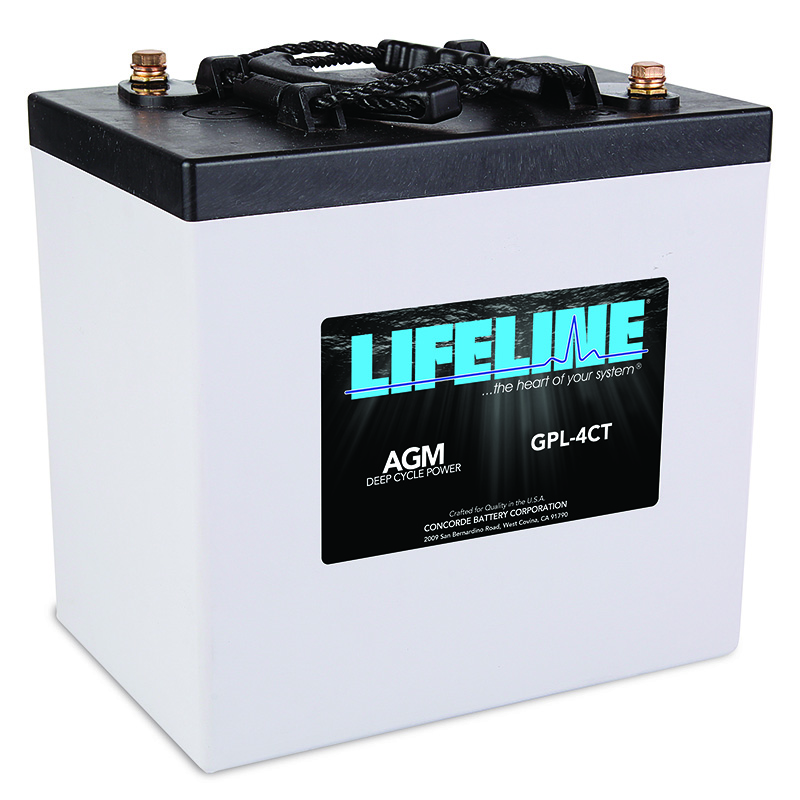
Lifeline batteries are considered great because they combine premium AGM technology, exceptional durability, deep-cycle performance, and long service life. They are designed to deliver reliable power in demanding applications such as marine, RV, off-grid, and backup power systems, making them a trusted choice for users who need consistent performance.
What sets Lifeline batteries apart is their high-quality construction and ability to handle repeated charging and discharging cycles without significant loss of capacity. Their sealed AGM design also makes them maintenance-free, spill-proof, and resistant to vibration, which is especially valuable in harsh environments.
Although Lifeline batteries often cost more than standard alternatives, many users consider them a worthwhile investment due to their reliability and longevity. For those seeking dependable power and fewer battery replacements over time, Lifeline batteries have earned a strong reputation in the battery industry.
What Makes Lifeline Batteries So Great?
When people discuss premium deep-cycle batteries, Lifeline batteries are often part of the conversation. They have built a reputation among RV owners, boaters, and off-grid users who depend on consistent power in demanding conditions.
One reason for their popularity is their AGM technology. This design helps reduce maintenance requirements while providing dependable performance and resistance to vibration, shock, and harsh environments.
Another factor is their ability to support repeated charging and discharging cycles. Users who rely heavily on battery power often look for products that can handle regular use without significant performance loss over time.
Lifeline batteries are also known for their build quality and reliability. While they may not be the cheapest option on the market, many consumers view them as a long-term investment because of their durability, strong performance, and reputation for dependable power delivery.
Concorde: The Driving Force Behind the LifeLine Battery
Concorde Battery Corporation has been manufacturing batteries just outside Los Angeles, California since 1979. Recently, Concorde opened a second manufacturing facility just outside Atlanta, Georgia. They operate under four application specific brands: Concorde, Lifeline, Chairman and Sun Xtender. The Concorde label designs aircraft batteries and batteries for shipboard use utilized by militaries the world over inclusive of the U.S. Military and several Commonwealth allies including Australian, British and Canadian air forces. Lifeline AGM batteries are tailored to the needs of recreational vehicles and the marine industry. The Chairman brand focuses on backup power especially for electric wheelchairs and the medical applications. The newest battery line, Sun Xtender, is best known for and designed to excel in photovoltaic and renewable energy applications. Other industries that include mining, oil & gas, electric vehicle, telecommunications, stand by and emergency backup systems also utilize these reliable American Made batteries.
All four battery labels incorporate many of the same design and quality features contained in Concorde’s aerospace aviation batteries. So while integrating industry specific design and features, each battery line is built upon the rigorous aviation standards platform [Mil Specs] pioneered by Concorde.
The first AGM, “Air Worthy” batteries were delivered to the U.S. Military in 1985 and today are used on the F-117A Stealth Bomber, F/A- 18 fighter jet, KC-130 Stratotanker to name a few as well as several other demanding military air and naval applications. The heavier “fat plate” Lifelines were introduced in 1989. Today, Lifeline batteries are the most advanced recreational vehicle batteries manufactured in the world. They are subject to the same high standards of design and manufacture as required by FAA and Military Specifications. All of the Concorde products have achieved AS9100 and ISO 9001 certifications. Additionally, Lifeline is the only Advanced AGM product available in standard battery configuration and sizes. They are standard equipment on many U.S. Navy crafts, fine yachts built by Pacific Seacraft, Island Packet, and Hinckley Company to mention three, and quality coaches built by such companies as Vision Coach, Royal Coach and Vantare Coach.
Lifeline Batteries Are Not Gel batteries!
Many well-meaning consumers refer to Lifeline AGM batteries as gel deep cycle batteries. Sadly, many so called professionals repeat the same words! So let’s set the record straight: THE LIFELINE BATTERY IS NOT A GEL BATTERY. THEY ARE SEALED AGM BATTERY. The bliss of ignorance will have to end today as you continue to read and gain knowledge and deeper understanding of battery types.
Gel batteries are similar to the sealed AGM battery (sometimes incorrectly referred to as AMG batteries) in that they utilize oxygen recombination and pressure relief valves to minimize water loss and allow maintenance-free operation. They are both considered to be lead acid batteries…but that’s the end of the similarities. Here is a short [and shocking] list of detrimental gel battery attributes and a great reason why LifeLine batteries are not gel batteries:
• Gel acid batteries are the most likely to suffer irreversible damage from overcharging.
• Gel batteries must be mounted upright to prevent air pockets from forming.
• Internal bubbles and air pockets will cause the plates to burn out.
• They have inferior performance at high discharge rates and low temperatures.
LifeLine is About Durability and Efficiency
To meet the needs of the marine, automotive and RV community Lifeline makes both a sealed AGM deep cycle battery as well as a sealed AGM starting battery. They make a subset of the starting battery designed to maximize crank and provide a 16V option for racing applications.
As many of you already know the much less expensive flooded lead acid batteries are the most likely to suffer from internal shorting and vibration damage. The caustic fumes cause corrosion on the battery terminals and untreated metal nearby. Lifeline Advanced AGM batteries are more durable and can withstand severe vibration, shocks, and fast charging. The majority of the gases are ‘metabolized’ and not discharged from the battery. This prevents corrosion and buildup of explosive hydrogen gas. [Bonus Thought: this does not mean you can use these batteries in a sealed container, you still need adequate ventilation. It just means they can be safely used indoors and are approved for transport on aircraft.]
During overcharge scenarios Lifeline AGM batteries are more resilient than most other types and will resist internal irreversible damage. Unlike gel batteries, AGM batteries cannot and will not develop air pockets leading to plate burnout. Sealed AGM batteries can be placed into service in any position except inverted while gel batteries must remain upright. AGM’s have a low discharge rate and perform well at cold temperatures. The proprietary lead-oxide paste that Concorde engineers developed is one of the biggest contributors to performance and quality.
Probably the most important attribute stems from the batteries internal resistance. Internal resistance of a battery denotes its overall charge/discharge efficiency, its ability to deliver high cranking currents without significant drops in voltage, and is a measure of how well it has been designed and manufactured.
For flooded wet batteries, internal resistance can be as high as 26%, which is the charging current lost to gassing, or breaking up of water. Gel batteries are better at approximately 16% internal resistance and require roughly 116% of rated capacity to be fully charged. Lifeline Advanced AGM has the lowest internal resistance of any battery manufactured at only 2 percent! This allows Lifeline batteries to be charged much faster if needed and also to deliver higher power when required. Owners using high output alternators, operating inverter banks, or relying on solar panels can benefit significantly when using Lifeline Advanced AGM deep cycle batteries with their equipment.
So what makes LifeLine batteries so great? Concorde’s attention to detail, attaining and maintaining the highest battery manufacturing standards and commitment to innovation are what set them apart. Avoiding the temptation to mass produce their batteries ensure consistency with every production run. Not compromising on or replacing the skilled human labor and knowledge is the backbone to their consistent nature. This is why the military, commercial interests, marine operators and retirees all trust in and demand a LifeLine battery be installed. It’s the heart of your system and it’s going to get you home!
| LifeLine | BCI Group | Voltage | Capacity | Minutes of Discharge | Cold Cranking Amps | ||
|---|---|---|---|---|---|---|---|
| Part No. | Size | 20Hr | @25 | @15 | 68F | 0F | |
| GPL-U1T | U1 | 12v | 33 | 50 | 93 | 325 | 215 |
| GPL-24T | 24 | 12v | 80 | 149 | 259 | 800 | 550 |
| GPL-27T | 27 | 12v | 100 | 186 | 324 | 845 | 575 |
| GPL-31T | 31 | 12v | 105 | 195 | 340 | 880 | 600 |
| GPL-31XT | 31 | 12v | 125 | 230 | 455 | 950 | 650 |
| GPL-30HT | 30 | 12v | 150 | 315 | 555 | 1000 | 700 |
| GPL-4DA | 4D | 12v | 210 | 390 | 680 | 1595 | 1100 |
| GPL-4DL | 4D | 12v | 210 | 390 | 390 | 1595 | 1100 |
| GPL-8DL | 8D | 12v | 255 | 550 | 825 | 1975 | 1350 |
| GPL-8DA | 8D | 12v | 255 | 550 | 825 | 1975 | 1350 |
| GPL-4CT | GC2 | 6v | 220 | 492 | 856 | 1095 | 750 |
| GPL-6CT | J305 | 6v | 300 | 692 | 1200 | 1150 | 925 |
| GPL-L16T | L16 | 6v | 400 | 950 | 1625 | 1975 | 1350 |
| GPL-1400T | 12v | 43 | 850 | 550 | |||
| GPL-2400T | 24 | 12v | 75 | 172 | 870 | 650 | |
| GPL-2700T | 27 | 12v | 95 | 206 | 1020 | 745 | |
| GPL-3100T | 31 | 12v | 100 | 228 | 1120 | 810 | |
Related articles that mention Lifeline:
Comparison of Racing Batteries from 2011; GRRReen is no longer in business.
A heartwarming true story of faith and batteries. Some day even a LifeLine battery will will fail, but there is one source of energy that will never fail.
Frequently Ask Questions (FAQs)
What type of battery is a Lifeline battery?
Most Lifeline batteries use AGM (Absorbent Glass Mat) technology, which provides maintenance-free operation and reliable deep-cycle performance.
Are Lifeline batteries good for RVs?
Yes. Lifeline batteries are commonly used in RVs because they offer dependable power, long cycle life, and strong performance for off-grid applications.
How long do Lifeline batteries last?
The lifespan depends on usage, charging practices, and maintenance, but many users report several years of reliable service under proper conditions.
Do Lifeline batteries require maintenance?
No. Lifeline AGM batteries are sealed and do not require regular watering like traditional flooded lead-acid batteries.
Can Lifeline batteries be used in marine applications?
Yes. Their vibration resistance and deep-cycle capabilities make them a popular choice for boats and other marine environments.
Are Lifeline batteries worth the price?
Many users believe they are worth the investment because of their durability, reliability, and long-term performance.
What charger should be used with Lifeline batteries?
It is best to use a charger that supports AGM battery charging profiles and follows the manufacturer's recommended charging specifications.
Conclusion
Lifeline batteries have earned a strong reputation among RV owners, boaters, and off-grid users for their reliability and long-lasting performance. Their AGM design, durable construction, and ability to handle demanding power needs make them a popular choice for those seeking dependable energy storage. While they may come at a higher upfront cost, many users find the investment worthwhile due to their longevity and consistent performance over time.