Boating Safety Tips
The best way to successfully navigate rough waters is to avoid them in the first place, but that isn't always possible. Storms can roll in without warning, and it's all too easy for an unprepared boater to get caught in a terrible situation. If you must operate your vessel in rough waters, there are steps you can take beforehand that can save your life. It's also vital to understand the strengths and weaknesses of your vessel, know when to run for shore, and have the presence of mind to ride out a storm when that's the best option.
Preparation is Key
There are a number of items you should always have on your vessel before you go boating. A full set of charts is indispensable, and you should never head out without a personal flotation device for each person on the vessel. Charts will allow you to plot safe courses, and a PFD can literally save your life if things get too rough. You should also have a barometer, which will allow you to tell if the local atmospheric pressure starts to drop.
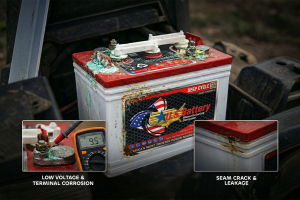
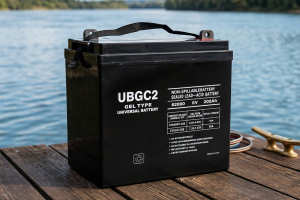
Your vessel's battery is another item you should always check before heading out. Since the engine will die if the battery fails, a good battery is an essential part of successfully boating in rough water. In that same vein, it's also vital to make sure you have enough fuel before you set out. Bad batteries, low fuel, and improperly maintained motors can all be disastrous when bad weather rolls in.
Take it Slow
Boating in rough water leaves very little room for error, which is why it's so important to remain calm. If you slow down, you'll have more time to react to the situation. In most cases, carefully adjusting your speed will allow you to ascend and descend waves without taking on water. It's usually also a good idea to avoid steering directly into waves, but no two situations are exactly the same.
Every Vessel is Different
Factors like the length of your vessel, the type of hull, and the displacement all contribute to the way it will handle in rough water. That's why it's so important to know the limitations of your own vessel. Some vessels can be steered safely into waves that would be perilous for others, and the difference isn't always clear at first glance.
Shelter from the Storm
The urge to break for shore is a natural response to an oncoming storm, but that isn't always the best course of action. In some cases, attempting to dock in rough water can be more dangerous than simply riding it out. The underwater topography in the area is a big contributing factor to this issue, which is why it's so important to have charts on hand.
If you find yourself in dangerously rough water, then the best course of action may be to beach your boat. Rocky shores are incredibly dangerous in rough water, but a sandy shore could save your life if you feel like your vessel is in danger of capsizing.