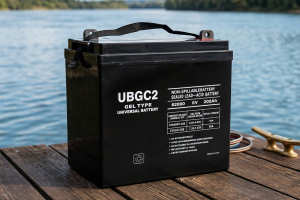
Do AGM Batteries Require A Special Charger: Let’s Find Out
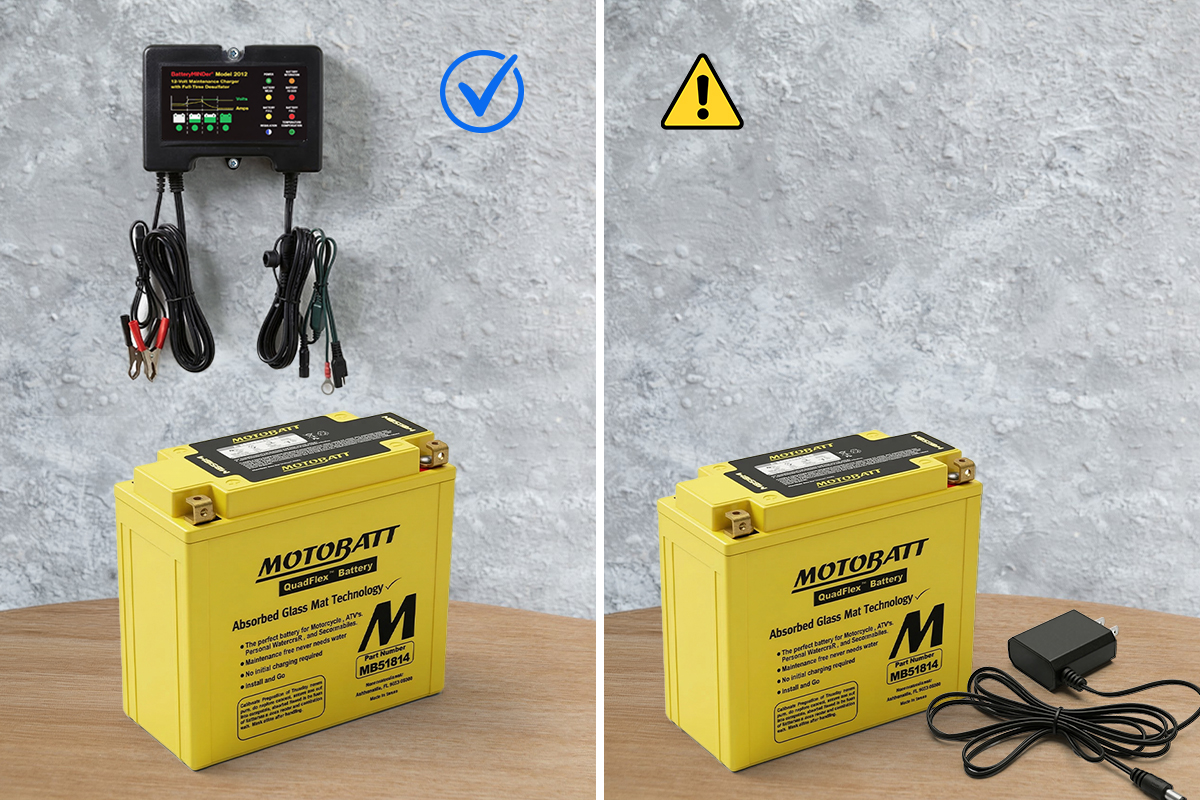
Just upgraded to an AGM battery? That old garage charger suddenly looks a little too old. So, do agm batteries require a special charger? Yes. But probably not the way it should.
AGMs aren’t your regular flooded batteries. They’re sealed and are sensitive to both voltage spikes and heat. Hook one up to a standard charger, and it’s a gamble.
Sometimes it works. Often it doesn’t. Overcharge even a little, and the damage is permanent.
That’s where a proper AGM charger makes all the difference. It talks to the battery. Listens. Protects.
Treat it right. Skip the right charger, and it’s money down the drain.
What Is an AGM Battery and How Does It Work?
You need to know what you are dealing with first. AGM stands for Absorbent Glass Mat. It sounds technical, but actually quite simple.
In a standard battery, the acid splashes around, and it's a liquid mess. However, an AGM battery traps acid. It is held in place by very fine fiberglass mats. These mats are squeezed tight between the lead plates.
Here is a comparison table for AGM vs. Standard Flooded Batteries:
Feature | AGM Battery | Standard Flooded Battery |
Electrolyte State | Absorbed in fiberglass mats | Liquid (free-flowing) |
Maintenance | Sealed, no water needed | Needs water top-ups |
Vibration Resistance | Excellent | Moderate |
Charge Efficiency | High (recharges fast) | Lower |
Spill Risk | Zero | High |
The Unique Internal Construction of AGM Batteries
Inside the battery, everything is packed tightly. Fiberglass mats soak up the liquid inside and keep it where it’s needed. This helps the battery react faster and give power quickly. Key advantages are,
Spill-proof: The battery can be mounted on its side without leaking.
Flexible placement: Its design makes it easier to install in tight spaces.
High burst power: Delivers strong power bursts, which is useful for start-stop system cars.
One limitation:
Because everything is tightly packed, gas bubbles have little room to escape. The pure lead plates are also quite soft, so rough handling can cause them to bend or warp.
Why AGM Batteries Are More Sensitive to Charging Methods
Standard batteries have a safety valve. They have extra water inside. When you overcharge them, the water turns to gas. The battery boils a little. You lose some water. But you just refill it later.
AGM batteries are different. They are valve-regulated, with a one-way valve. When pressure builds, the valve opens and gas escapes, but once it’s gone, it’s gone for good. You cannot add water to an AGM battery. If the electrolyte boils away, the battery dries out and dies. That’s why the charging method is so important.
Standard Battery Chargers Damages AGM Batteries
Standard chargers use a brute-force approach. They push voltage without checking what the battery needs. They assume every battery is a standard flooded type, and that assumption can destroy AGM cells. Here is exactly how the damage happens:
Drying out the mats: The charger cooks the battery. Gas vents out. The sponge dries up.
Thermal runaway: AGM batteries have low internal resistance, so they can take in the current quickly. If a charger pushes too hard, the battery starts to heat up. As the heat rises, the resistance drops. The battery then pulls in even more current and gets even hotter. This creates a vicious cycle.
Plate corrosion: High voltage causes the lead plates to corrode faster. The battery loses capacity.
Do not risk it. The money you save on a new charger will be spent on a new battery.
The Risk of Overcharging Due to Fixed Voltage Settings
Old chargers are simple. They use fixed voltage and may push 15 volts or more to force a battery to charge. This works for flooded batteries because the high voltage helps mix the acid.
AGM batteries cannot do this. High voltage creates extra gas and pressure. The safety valve opens and gas escapes. When that gas is gone, the battery loses life.
AGM batteries usually need about 14.4V to 14.8V. Basic chargers may push 15V or more. That small difference can damage the battery.
How Traditional Chargers Handle Electrolytes Differently
Traditional chargers expect a battery with liquid inside. Near the end of charging, they make the battery boil a little. In flooded batteries, this is normal. The boiling mixes the acid and keeps it from settling at the bottom.
AGM batteries are different. The acid is held in fiberglass mats, so it cannot settle. They do not need this boiling stage.
But a standard charger still raises the voltage at the end of the charge. It tries to boil the battery. An AGM battery cannot handle that extra energy. It heats up, releases gas, and slowly loses life.
The Problem with High Initial Currents
AGM batteries have very low internal resistance. You can think of resistance like a gate. In flooded batteries, the gate is narrow, so current moves through slowly. In AGM batteries, the gate is wide open, so current rushes in quickly.
Old chargers do not account for this. They start charging fast and may push 10 or 15 amps right away. The AGM battery accepts all of it, and the temperature rises quickly.
Heat is the enemy of batteries. Too much current at the start can cause stress inside the battery. The plates can warp, and the separators can melt. A smart charger prevents this by limiting the current to a safe level.
Lack of Specific Absorption Stages
Charging a battery happens in stages. Old chargers often miss an important one for AGM batteries.
Bulk charge: The charger sends a strong current to the battery, and the voltage rises.
Absorption stage: The charger holds the voltage steady while the current slowly drops. This stage is very important for AGM batteries.
Float stage: The charger lowers the voltage and keeps the battery full.
Many old chargers rush through the absorption stage or skip it. They jump to a high-voltage finish. AGM batteries need time to absorb the charge into the glass mats. Without that time, the battery never fully charges. Over time, it builds sulfation and fails early.
The Specific Features an AGM Charger Must Have
AGM batteries need a modern charger. A “smart” charger is the best choice. These chargers use microprocessors to monitor the battery and adjust the charge automatically.
Think of it like a doctor for your battery. It checks what the battery needs and adjusts the charging process.
Look for these features when buying a charger:
Microprocessor control – Automatically adjusts voltage and current.
AGM mode – A specific setting designed for AGM batteries.
Safety features – Reverse polarity protection and spark protection.
Temperature sensor – Measures battery temperature while charging.
If a charger does not list these features, it may not be safe for AGM batteries.
Why Multi-Stage Charging Matters
AGM batteries need charging in stages. A good charger changes how it works as the battery fills up.
Bulk stage
The charger sends strong current to recharge the battery quickly. This brings the battery to about 80%.
Absorption stage
The charger holds the voltage steady while the current slowly drops. This stage finishes the charge without overheating the battery.
Float stage
The charger lowers the voltage and keeps the battery full without overcharging it. The battery can stay connected for long periods.
This process charges the battery fully while protecting its internal parts.
Safe Voltage for AGM Batteries
Voltage must stay within a safe range. Too little voltage causes sulfation. Too much voltage causes gas buildup and damage.
Typical charging ranges:
Battery Type | Bulk / Absorption Voltage | Float Voltage |
Flooded | 14.4V – 14.8V | 13.2V – 13.4V |
AGM | 14.4V – 14.8V | 13.2V – 13.6V |
Gel | 14.1V – 14.4V | 13.2V – 13.5V |
AGM batteries share similar voltages with flooded batteries, but the charger must control them more carefully.
Why Temperature Sensors Matter
Battery charging is affected by temperature.
Cold batteries need slightly higher voltage to charge.
Hot batteries need lower voltage to avoid damage.
Cheap chargers ignore temperature. They charge the same in winter and summer.
Better chargers use a temperature sensor clipped to the battery. It tells the charger when to adjust the voltage. This prevents overheating and helps the battery charge correctly in cold weather.
Desulfation Modes and AGM Batteries
Sulfation is a buildup of crystals on battery plates. It happens when a battery sits unused for too long. This reduces battery capacity.
Some chargers have a desulfation or repair mode that sends pulses of high voltage to break up these crystals.
However, this can be dangerous for AGM batteries.
Many desulfation modes use very high voltage (15.5V or more). This can damage AGM batteries and break their internal seals.
Always check the charger manual. Only use desulfation mode if it clearly says it is safe for AGM batteries.
Step-by-Step Guide to Charging an AGM Battery Correctly
Charging an AGM battery is simple, but the steps matter. AGM batteries are sealed and sensitive to heat and over-voltage. Following the correct process protects the battery and helps it last longer.
Prepare the Battery and Safety Gear
Before charging, take a few minutes to prepare. Batteries store a lot of energy, and even sealed batteries can release gas if something goes wrong.
Start with basic safety:
Safety glasses protect your eyes from sparks or acid.
Nitrile or rubber gloves protect your hands.
Good ventilation prevents gas from building up.
Next, inspect the battery carefully. Check for:
Swelling or bulging sides
Cracks in the plastic case
Leaking fluid
Burned or damaged terminals
A swollen battery is a sign of internal damage or overcharging. Do not attempt to charge it. Replace it instead.
Also, check the battery terminals. If you see corrosion or dirt, clean them with a dry cloth or a battery brush. Clean terminals help the charger connect properly and deliver stable current.
Set the Charger to AGM Mode
Now check your charger. Do not plug it into the wall yet. First set the correct charging mode. Most smart chargers have several options, such as:
Standard
AGM
Gel
Motorcycle
Lithium
Scroll through the options and select AGM mode. This step is important because the charger adjusts several things when AGM mode is selected:
Maximum charging voltage
Current limits
Charging stages
Safety protections
If the charger stays in Standard mode, it may push voltage too high during the final stage of charging. AGM batteries cannot release or replace lost electrolyte, so too much voltage can permanently damage them.
Before connecting the battery, check the display. It should show standby voltage, such as 0.0V or no battery detected. Also, make sure the two clamps are not touching each other, which could cause a spark when the charger turns on.
Connect the Positive and Negative Terminals
Once the charger is set correctly, you can connect the cables. Always connect the positive terminal first.
Attach the red clamp to the positive (+) terminal on the battery.
Attach the black clamp to the negative (–) terminal.
Make sure the clamps are tight and gripping the metal terminals firmly. Loose connections can cause:
Unstable charging
Sparks
Incorrect voltage readings
If the Battery Is Installed in a Vehicle
If the battery is still inside a car, truck, or boat, it is safer to connect the negative clamp to the vehicle chassis instead of the battery terminal. Look for a clean, unpainted metal part of the engine block or frame.
This method reduces the chance of sparks forming directly above the battery. It also helps protect the vehicle’s electronics, which can be sensitive to voltage spikes.
Start and Monitor the Charging Cycle
After the clamps are connected, plug the charger into the power outlet. The charger should automatically detect the battery and start the charging process. Most smart chargers show useful information on the display.
Charge Percentage
The screen may show the battery’s estimated charge level, such as 40%, 65%, 80%. This number increases as the battery fills.
Voltage
During the bulk stage, the voltage slowly rises. For most AGM batteries, it will reach around 14.4V to 14.8V during the absorption phase. This is normal.
Current (Amps)
At the beginning of the charge, the charger may send higher current, such as 5A, 10A, or 15A, depending on the charger size.
As the battery fills, the current gradually drops. This drop means the battery is accepting less energy and nearing full capacity.
Battery Temperature
Touch the battery occasionally during charging.
Slightly warm is normal.
Hot to the touch is not good.
If the battery becomes hot, stop charging immediately and unplug the charger. Excess heat can damage the internal plates and separators.
Understanding Error Codes and Warning Lights
Modern chargers include safety systems that monitor the battery. If something is wrong, the charger will stop and show an error code.
Here are common warnings you may see:
Code / Symbol | Meaning | What to Do |
Reverse Polarity | Clamps are connected to the wrong terminals | Remove clamps and reconnect correctly |
Bad Battery | Battery cannot accept charge | Check connections; battery may be damaged |
Overheat | Battery temperature is too high | Stop charging and allow battery to cool |
High Voltage | Battery already full or abnormal voltage detected | Test battery with a multimeter |
These warnings are helpful. They prevent the charger from forcing power into a battery that may already be damaged.
If the Bad Battery warning appears repeatedly, the battery may have internal sulfation or a shorted cell. In that case, charging will not restore it.
Safely Disconnecting the Charger After Full Charge
The charger says "Full." The display reads 100%. The amps are near zero. The voltage has dropped to float mode (around 13.2V). You are done.
Unplug: Remove the AC plug from the wall socket first.
Remove Negative: Take the black clamp off the battery or chassis.
Remove Positive: Take the red clamp off the battery terminal.
Store your charger. Your AGM battery is happy. It is full. It is ready to work.
Frequently Asked Questions (FAQs)
Here are the most common inquiries regarding AGM battery maintenance. These answers will help you choose the right equipment and avoid costly charging mistakes.
Can I use a regular charger on an AGM battery?
You can, but it’s not recommended. Regular chargers often use high voltages that can overheat AGM batteries, release gas, and damage them. Always check if your charger has an “AGM” mode.
What happens if I use a normal charger on an AGM battery?
A standard charger can overcharge an AGM battery. Since AGM batteries are sealed, too much voltage causes electrolyte to evaporate, drying out the battery and shortening its life.
Do I need a special charger for AGM batteries?
Yes, a “smart” charger is recommended. It adjusts voltage and current automatically, keeping the battery safe and fully charged without overcharging.
Is it safe to jump-start an AGM battery?
Yes, jump-starting with a standard car is generally safe if done correctly. The short burst of current is fine, but avoid letting the car charge the AGM battery for long periods.
What charging rate is best for AGM batteries?
Use a charger that provides 10–25% of the battery’s capacity. For example, a 50Ah battery should be charged at 5–12 amps. Too high heats the battery; too low takes too long.
Can you overcharge an AGM battery?
Yes. AGM batteries take current quickly, and if the charger doesn’t stop at full charge, the battery heats up and can dry out, which is the most common cause of failure.
Use the Right Charger to Protect Your Battery
Hope now you know if your AGM batteries require a special charger or not. Absolutely. Those glass mat separators are delicate, one overcharge and the battery is done. Seen it happen more times than not.
A regular charger might “work,” but it’s dangerous. Voltage swings, heat spikes, and tiny mistakes that destroy batteries silently. A smart charger with AGM settings doesn’t just charge it; it watches over it, paces it, treats it right.
Spend a little now, and the battery pays back in years of steady, reliable power.