How to Manage a Safe Battery Storage Room
Recent advances in battery technology have led to a proliferation of battery-powered devices. Businesses and other organizations often store batteries on their property to support equipment and devices, such as computers, flashlights, alarms, and sensors. The Occupational Safety and Health Administration (OSHA) regulate battery storage because the devices can cause injuries and damage if handled improperly. The regulations are designed to protect employees and customers.
Battery Storage Room
Batteries should be stored in a designated room that is located away from heavily congested or high traffic areas. If the building does not have a separate room, the organization must erect a barrier or install a mechanical device that will prevent equipment and people from inadvertently contacting the batteries. The storage location should have readily identifiable warning signs, such as “No Sparks,” “No Smoking,” “No Open Flames,” or “Explosion Hazard.” Organizations located in geographical areas that are prone to earthquakes must install seismic protection. Metal battery racks should be grounded to prevent sparks from static electricity. Light switches and electrical outlets must be located outside the battery room. The concrete floors should have acid-resistant paint if the room is intended to store acid batteries. Alkali-resistant paint will prevent damage in NICAD battery rooms. The emergency exit must be clearly marked and free of obstacles.
Ventilation and Temperature
All batteries emit oxygen and hydrogen; the battery room should be well ventilated. The fumes are combustible and dangerous when inhaled. Battery product safety data sheets provide specific guidance on the safe handling and ventilation requirements for stored batteries.
The temperature of the battery storage location should never exceed 100 degrees Fahrenheit because the heat can cause the batteries to rupture and leak electrolyte. This can increase the risk of combustion. Certain batteries can release gases when the temperature reaches 77 degrees Fahrenheit.
Safety Gear and Supplies
The battery room should have face shields, goggles, rubber aprons, and gloves. An eye and body wash station can reduce the severity of accidental contact. The room should also have clean cloths and solution to neutralize electrolyte spills. The regulations require that organizations place a class C fire extinguisher inside the room near the door.
Maintenance and Cleanliness
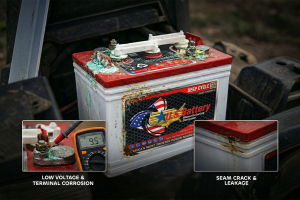
When in storage, batteries should be clean and dry. Moisture can cause batteries to corrode and leak. At least once a month, employees should perform a visual inspection for damage, corrosion and leaks. Batteries should be wiped down because an accumulation of dirt, dust, and other debris can cause fires.
During the scheduled inspections, the organization should verify that safety equipment is readily available. The organization must provide instruction on the proper use of the fire extinguisher and verify that the device is charged and current. The heating, cooling and ventilation systems for the battery room should be checked to ensure that they are working properly. If the inspection determines that the battery room does not meet OSHA standards, the organization must correct the issues immediately.
If you need more information about battery storage, contact your battery retailer.